

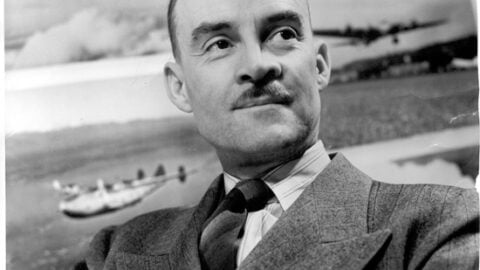
On This Day in WWII (1943): XB-29 Prototype Crashes in Seattle, Killing 30+ Including Legendary Test Pilot Edmund “Eddie” Allen
SDASM Archives, Public domain, via Wikimedia Commons
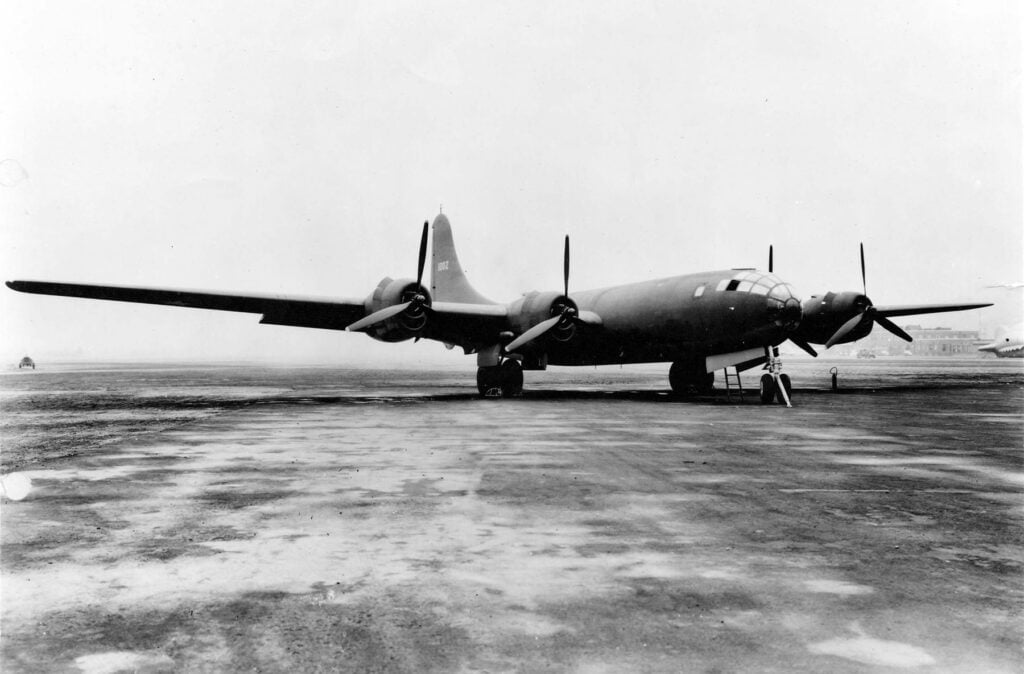
In February 1943, work was underway to build a new long-range bomber for the United States Army Air Forces. Boeing’s B-29 Superfortress was meant to fly farther and carry heavier loads than earlier bombers. Its designers hoped it might reach targets deep inside enemy territory. To do that, the aircraft used four powerful Wright R-3350 radial engines. These engines were advanced but not yet proven, and early test flights showed that they had serious cooling problems.
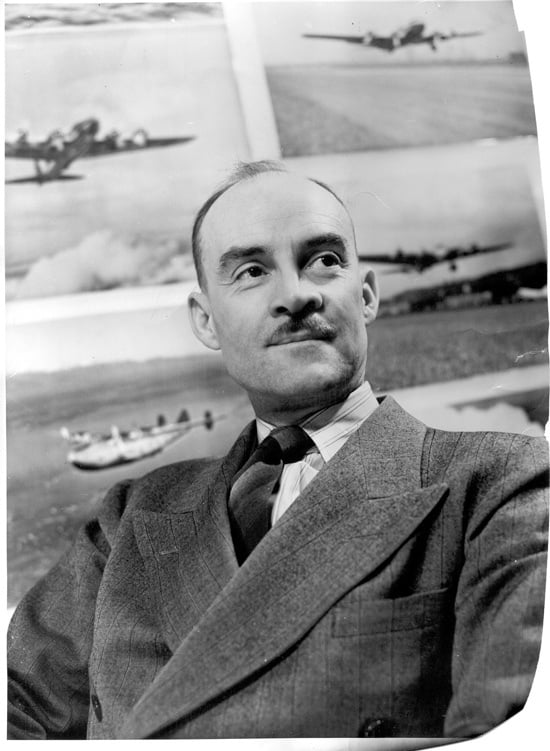
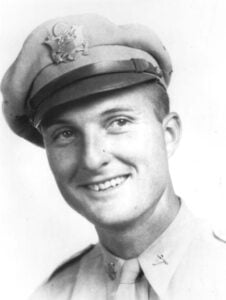
The second XB-29 prototype, serial number 41-0003, was built to explore how the aircraft performed under different conditions including engine power settings and climbs at heavy weight. Chief test pilot Edmund T. “Eddie” Allen, a veteran aviator and Boeing’s Director of Aerodynamics and Flight Research, had flown many of the early test missions. On February 18, 1943, he and a crew of engineers and specialists climbed into the aircraft for another test flight from Boeing Field in Seattle.
Engine Trouble Early in Flight
The XB-29 took off at 12:09 p.m. on a clear winter afternoon. Hundreds of airline and military workers watched it climb toward the east over Lake Washington. About eight minutes after leaving the ground, the crew reported a fire in the number one engine on the left wing. Test crews quickly shut down the engine and used fire suppression equipment, and for a few moments it seemed the blaze was under control.
Rather than continue testing, Allen decided to return to Boeing Field. Instead of landing from the south, which would have put the wind at their back, he chose to come in from the north and land into the wind. Once again the engine fire flared up, this time more intensely. Smoke poured into the fuselage and the fire spread rapidly toward the wing’s main support structure. Witnesses on the ground saw pieces of the aircraft fall from the wing and heard an explosion as the fire cut through structural metal.
Final Moments Before Crash
As the aircraft struggled to stay aloft, Allen tried to keep it headed toward the airfield. Witnesses described how the bomber’s wings wagged as he fought to keep smoke and flames moving away from the cockpit and fuselage. Three crew members attempted to bail out at low altitude, but they were too close to the ground for their parachutes to open, and all three died before impact. The aircraft, now badly out of control, continued south over Seattle.
At about 12:26 p.m., three miles from Boeing Field, the XB-29 crashed into the northwestern corner of the Frye Packing Plant, a large meat-processing factory in Seattle’s industrial area. The force of the impact and the huge load of fuel on board caused a massive explosion. Escaping gasoline ignited fires throughout the building and sent flames and debris into the surrounding neighborhood.
Loss of Life on Board and on the Ground
All eleven men aboard the XB-29 died in the crash. Among them was Eddie Allen and other senior test pilots, engineers, and technicians who had been working on the bomber program. On the ground, at least twenty plant workers who had been inside the building at the time of the collision were killed. A city firefighter, Luther Bonner, later died from injuries and fumes while fighting the blaze in the wrecked factory. The final death toll is commonly cited as 32 but may be 30–34 depending on the source.
The scene at the plant was one of chaos and destruction. Concrete blocks and heavy timbers had collapsed into burning rooms. First responders used torches to cut through debris to reach trapped victims. Outside, local soldiers and sailors joined police and firefighters in battling the flames. The accident happened during the lunch hour, which likely reduced the number of casualties in the slaughtering area. Had it occurred minutes later, more workers would have been present.
Aftermath and Program Impact
Investigators determined that the fire began with leaking fuel from the number one engine’s fuel system. As fuel flowed into hot areas around the engine and leading edge of the wing, it ignited and spread. The fire soon weakened critical structures, causing the wing to fail and the aircraft to lose lift and control. In response, Boeing modified fuel systems, filler neck designs, and cooling arrangements on future prototypes.
The crash was one of the worst aviation accidents in Seattle’s history. It claimed the lives of some of the most experienced test pilots and engineers working on the B-29. In addition, the disaster drew scrutiny from military leaders and congressional committees, which examined delays and risks in the Superfortress program. Although this setback added to development delays, further testing and improvements eventually allowed the B-29 to enter service and have a significant impact later in the war.


.jpg)
