

WWII Daring Raid (1944): 258 Escape After Mosquito Bombers Hit Amiens Prison in German-Occupied France
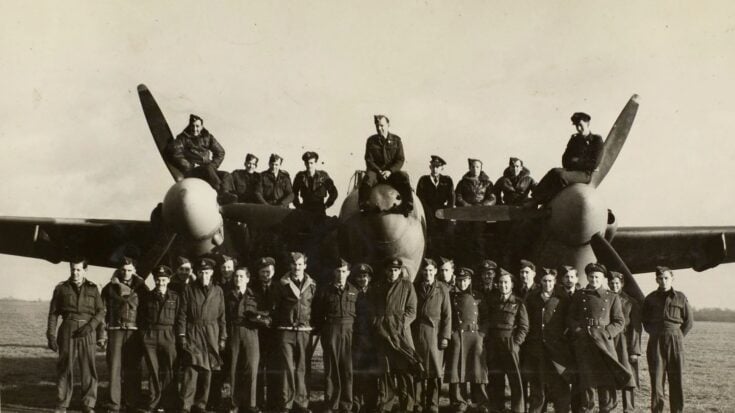
Archives New Zealand from New Zealand, CC BY 2.0, via Wikimedia Commons
In the winter of 1944, Allied planners looked to weaken enemy hold over Western Europe and prepare for a push into occupied territory. One of the boldest actions of that year came on February 18, 1944, in French‑held Amiens. A low‑level air raid was ordered against Amiens Prison, a facility in German‑occupied France holding hundreds of inmates. Many of those jailed were members of the French Resistance or others who opposed the occupation, and intelligence reports suggested that some were facing imminent execution. Allied leadership believed that a precise attack on their place of confinement might open a chance for some to escape.
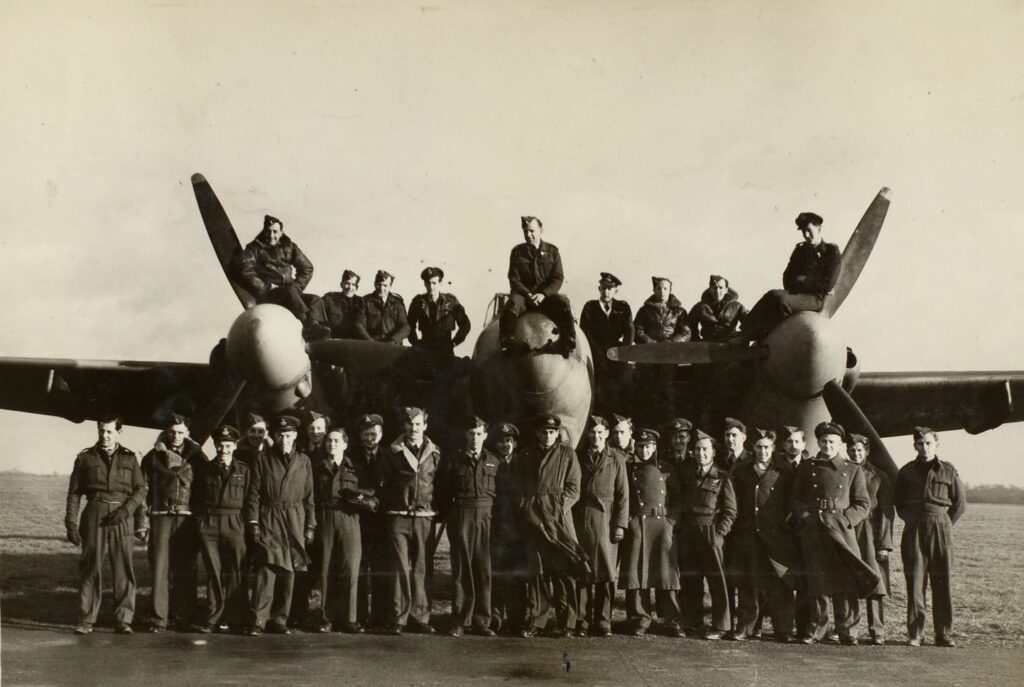
The mission was named Operation Jericho. It was assigned to No. 140 Wing of the Royal Air Force’s Second Tactical Air Force. This wing included three squadrons flying de Havilland Mosquito fighter‑bombers, aircraft suited for high‑speed, low‑altitude work. Pilots and crews from the RAF, Royal Australian Air Force (RAAF), and Royal New Zealand Air Force (RNZAF) prepared for an attack that required them to fly at very low levels over enemy territory and strike with great accuracy.
Planning the Prison Raid
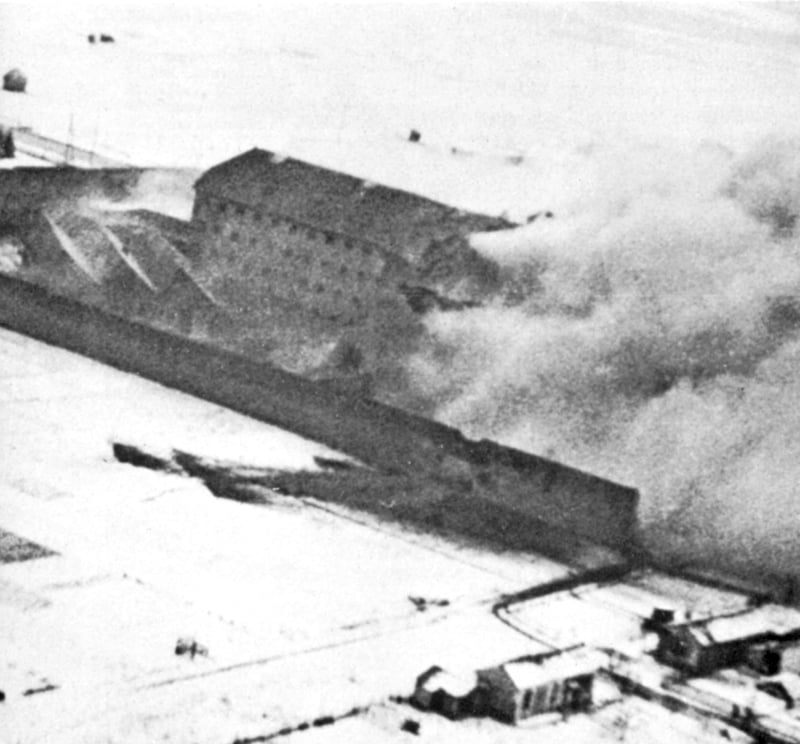
Operation Jericho was not simply a bombing run. It was planned to breach the high stone walls surrounding Amiens Prison and to destroy buildings housing guards so that prisoners could flee. The layout of the prison made this especially hard. It sat beside a road and was surrounded by ramparts and fortified structures. The walls were tall and thick, and the attacking aircraft had to drop their bombs from only a very few metres above the ground to have any chance of hitting their intended targets without destroying the entire complex.
The crews trained in formation flying and precision bombing, and each squadron was given a specific role. Squadrons equipped with 500‑pound bombs timed with short delays aimed to hit the prison’s outer wall and guard quarters. The attack was to be timed around midday, when guards would likely be at lunch and less able to react quickly to the intrusion of Allied aircraft. A diversionary strike on the local railway station was also part of the plan, intended to draw attention away from the prison itself.
The Assault Begins
On the morning of February 18, 1944, the weather over southern England was poor, with low clouds and snow complicating take‑off and navigation. Despite this, eighteen Mosquito aircraft and one reconnaissance Mosquito carrying cameras began lifting off from RAF Hunsdon. They headed across the English Channel, some losing contact but regrouping as conditions cleared over northern France. Over the fields near Amiens, the small force followed the straight Albert‑Amiens road to guide them toward the prison.
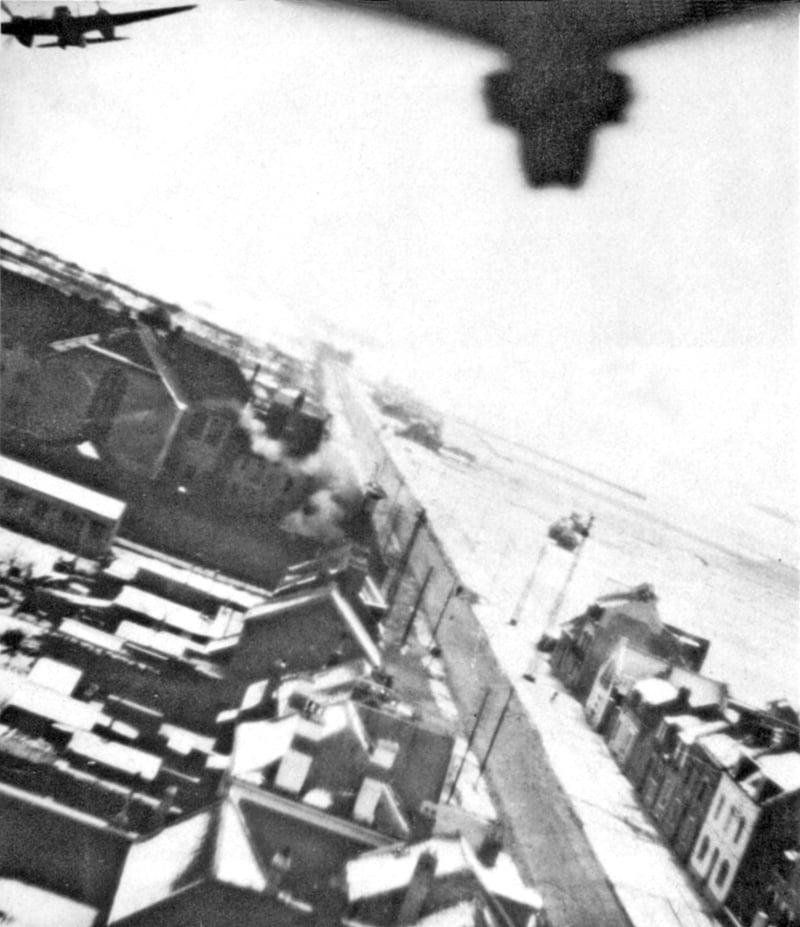
At 12:01 p.m., the first wave of Mosquitos made their run. Flying just metres above fields and rooftops, they dropped their bombs with delayed fuses so that the aircraft could escape the blast zone before detonation. The explosive charges pierced the high walls at several points and struck the buildings where guards were stationed. The outer wall was breached, and the guardhouses were struck, creating gaps through which prisoners could flee.
Escape and Chaos
As the bombs exploded and smoke rose, prisoners in the yards and cells rushed toward the damaged sections of the wall. A number of inmates were injured or killed by the blast or by guards attempting to stop escapees. Records indicate that about 102 prisoners died and another 74 were wounded during the attack and its immediate aftermath. Despite this, many others took the opportunity to break free. Of the roughly 832 prisoners at Amiens that day, some 258 managed to flee through the gaps in the walls.
Among those who escaped were a number of members of the French Resistance and political prisoners, many of whom scattered into nearby fields and forests. Resistance groups in the area had planned to assist escapees, and some were waiting outside the prison to help guide them to safe houses and routes toward less hostile zones. Even so, military forces and guards nearby reacted quickly, and a large number of the escapees were re–taken in the days that followed.
Losses in the Air
Operation Jericho was not without cost to the attacking force. As the Mosquitos turned for home after the precision bombing, German fighter aircraft and anti‑aircraft defences engaged them. At least two Mosquito aircraft were lost during the mission, and Typhoon fighters escorting the raid also suffered losses. Several aircrew were killed or taken prisoner during the withdrawal.
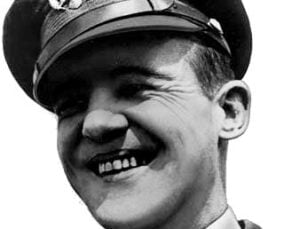
A notable casualty was Group Captain Percy Charles Pickard, the mission leader. After circling the prison to observe the effects of the attack and confirm the breach in the walls, he was attacked by German fighters on the return flight. His aircraft was shot down, and both he and his navigator were killed near Amiens. Pickard had been one of the most experienced and respected pilots in the force, widely known for his leadership and earlier contributions to bomber operations.
Aftermath and Debate
In the days that followed, the prison break at Amiens became both a symbol of daring precision air work and an event of serious loss. Although the raid had allowed many prisoners to escape, it also caused casualties among inmates and defenders. Within the Resistance and allied intelligence circles, debate later emerged about who ordered the operation and whether the threat of mass executions was as imminent as claimed at the time. No clear documentation has ever been found to confirm that a request for the raid came from French underground sources or that executions were scheduled for the following day.
The attack on Amiens Prison on February 18, 1944, remains one of the most unusual air operations of the Second World War. It combined low‑level precision bombing, coordination between national air forces, and the desperate aim of freeing prisoners under threat, showing how air power could be used in support of resistance movements and special operations deep inside occupied Europe.
_Squadron,_February_1944_(33179801568)_(cropped).jpg)
