On This Day in WWII (1944): U.S. Fifth Air Force B-24s, B-25s and Fighters Devastate Japanese Airfields at Wewak
Public domain, via Wikimedia Commons
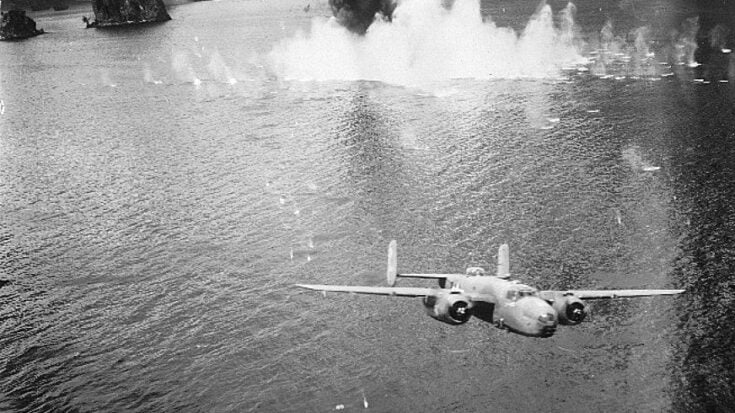
On February 3, 1944, aircraft from the United States Fifth Air Force struck at airfields near Wewak in New Guinea as part of a sustained campaign against Japanese aviation in the Southwest Pacific. Nearly one hundred heavy and medium bombers, including B-24 Liberators and B-25 Mitchells, were joined by fighter aircraft such as P-38 Lightnings, P-40 Warhawks, and P-47 Thunderbolts to hit multiple Japanese airfields in the Wewak area. This mission formed part of an extended Allied air offensive aimed at weakening enemy air strength and reducing the threat to ground and naval forces advancing in the region. Although this raid was only one of many that struck Wewak, it contributed to the erosion of Japanese air capabilities in early 1944.
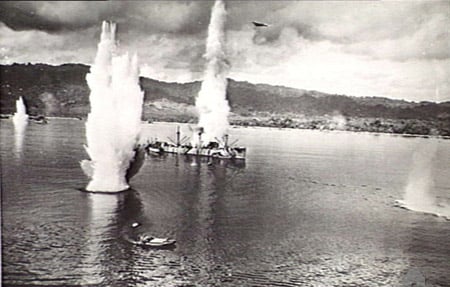
Setting the Stage in New Guinea
The island of New Guinea had been a focus of American and Australian operations since 1942, as Allied forces sought to push back Japanese advances and secure the region. Wewak, located on the northern coast, became a major Japanese air and logistics base after its capture early in the war. From these airfields, Japanese fighters and bombers could operate across a wide area of the Southwest Pacific, threatening Allied troops and shipping in New Guinea and beyond.
To reduce this threat, Allied air commanders directed a series of raids against these airfields, bomber dispersal points, fuel dumps, and support facilities. By late 1943, a sustained effort had inflicted growing losses on Japanese aircraft and infrastructure. The raid on February 3, 1944, would follow months of similar operations, which had seen Wewak repeatedly hit by heavy bombers escorted by fighters.
The Aircraft and Forces Involved
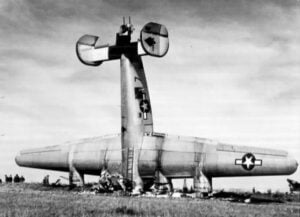
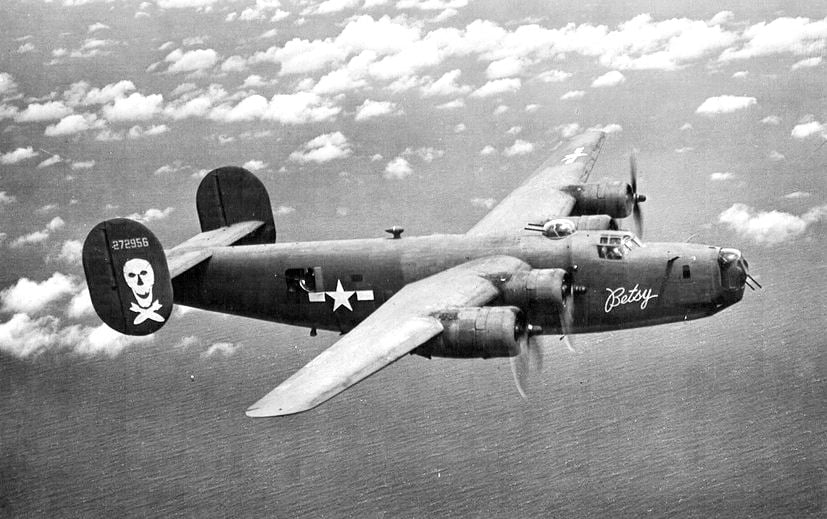
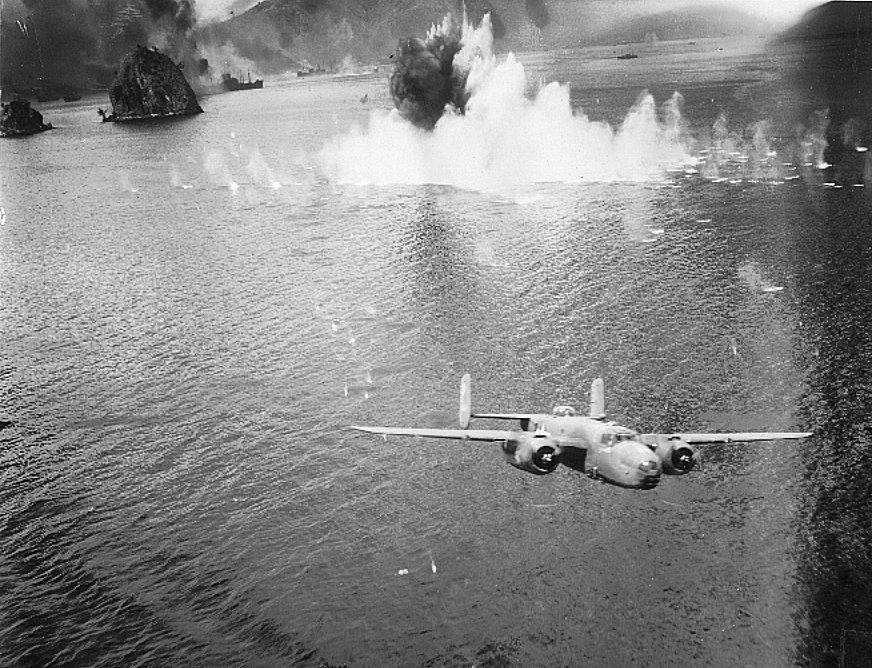
On this day, nearly a hundred bombers were dispatched against the airfields around Wewak. The B-24 Liberator was a four-engine heavy bomber capable of long-range missions and large bomb loads, making it a workhorse of the Fifth Air Force’s strategic operations. The B-25 Mitchell medium bombers, twin-engine aircraft, were used for both level bombing and low-level attacks, adding flexibility to the strikes.
Fighter aircraft played a vital role. P-38 Lightnings, with their twin-boom design and long range, provided close escort and air superiority protection. P-40 Warhawks and P-47 Thunderbolts also joined in, flying ahead or alongside the bombers to guard against enemy fighter interception. These fighters could engage opposing aircraft and strafe ground targets such as parked planes or support vehicles.
The Raid Begins
Early on February 3, the bomber and fighter formations took off and headed toward the Wewak area. Over the target, they encountered a mix of anti-aircraft fire and hazardous flying conditions. The bombers released their loads over runways and aircraft parking areas, where Japanese planes were concentrated. Bomb damage assessments from Allied reports indicate that about eighty Japanese aircraft were destroyed either on the ground or in combat during this raid.
While the exact effects on Japanese operational capacity were difficult to measure immediately, the number of aircraft knocked out in this single attack was significant to both sides. Japanese planes destroyed on the ground removed them from future combat and forced retreating flight crews to relocate or operate from more remote, vulnerable locations.
Continued Air Pressure on Wewak
It is important to understand that the February 3 raid was one of many that pounded Wewak and its environs. Allied air forces maintained pressure on these airfields throughout late 1943 and into 1944, with numerous missions involving varying numbers of bombers and fighters. These repeated strikes kept Japanese defenses under stress and reduced their capacity to launch large numbers of aircraft against Allied forces.
By early 1944, Wewak’s importance as a major air base was declining as aircraft and personnel losses mounted and the Allies continued to dominate the skies. The long term campaign against these airfields contributed to a general weakening of Japanese air strength in New Guinea, allowing Allied air and ground operations to proceed with fewer threats from enemy air units.
Broader Strategic Impact
Operations against Wewak formed part of the wider Allied strategy in the Southwest Pacific, coordinated under commanders such as General George Kenney of the Fifth Air Force. His command sought not only to destroy planes and facilities but also to shape the battlefield in support of ground and naval advances. The February 3 attack was one among many designed to reduce Japanese resistance and prepare the way for subsequent operations.
Although larger and more decisive raids occurred in the prior year—most notably in August 1943 when Allied forces destroyed many Japanese aircraft and severely crippled the Fourth Air Army—the effort on February 3 showed that enemy airfields remained targets of opportunity. The continued pressure helped to degrade Japanese air power incrementally, as the wider war edged toward greater losses for Japan in both men and machines.