On This Day in WWII (1945): Lt. Col. Robert “Rosie” Rosenthal Leads 1,000 B-17 Raid on Berlin
Media Magik Entertainment / YouTube
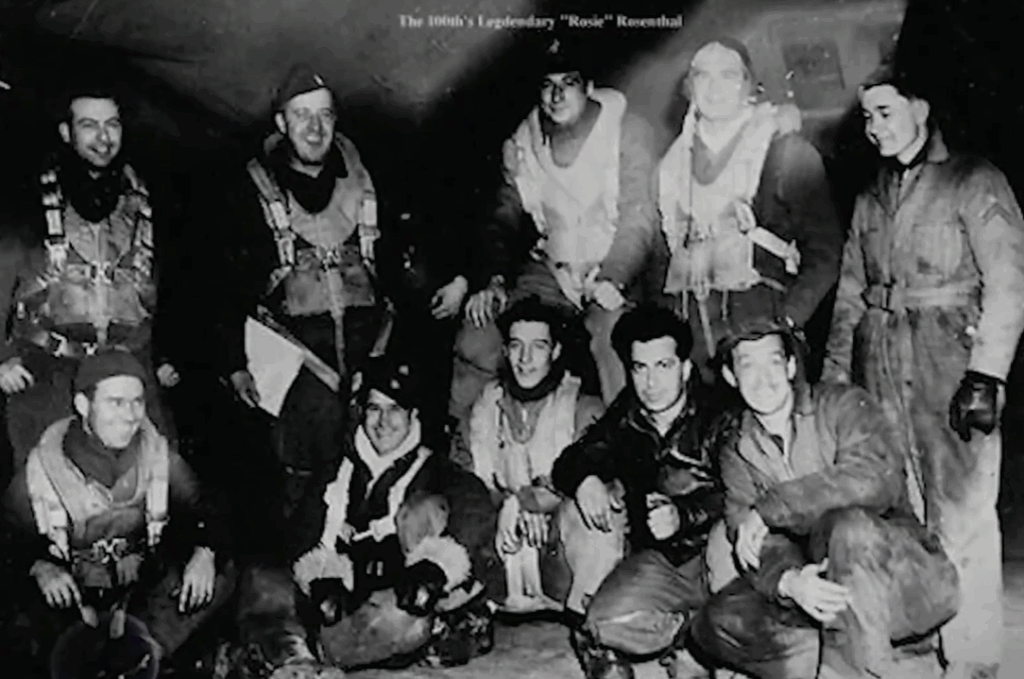
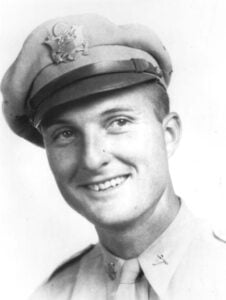
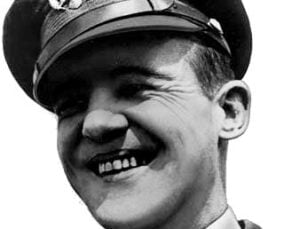
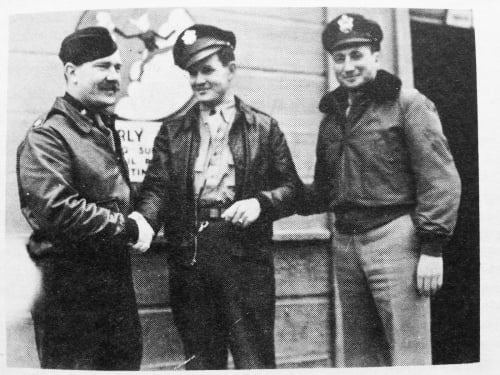
On February 3, 1945, the United States Eighth Air Force carried out one of its largest daylight bombing missions of the war against Berlin. Lieutenant Colonel Robert “Rosie” Rosenthal, a senior commander with the 100th Bombardment Group, served as the lead Air Commander for a massive strike aimed primarily at disrupting transport and marshalling yards in Germany’s capital. This mission saw hundreds of heavy bombers fly deep into enemy territory, escorted by a large force of fighter aircraft. The raid marked a significant moment in the sustained air campaign over Europe and had serious effects on both military infrastructure and the course of the war that was drawing to a close.
Planning and Forces Assembled
In early 1945, Allied air forces were pressing their advantage in the air over continental Europe. The Eighth Air Force had developed a strategy of attacking key industrial and transportation hubs, with the goal of slowing German movement of troops and supplies. Berlin was a prime target for these operations because its rail yards and marshalling facilities played a central role in moving forces along the Eastern Front, where Soviet armies were advancing. For the February 3 raid, planners gathered a force of more than 1,000 heavy bombers, most of them Boeing B-17 Flying Fortresses, supported by a large number of long-range escort fighters.
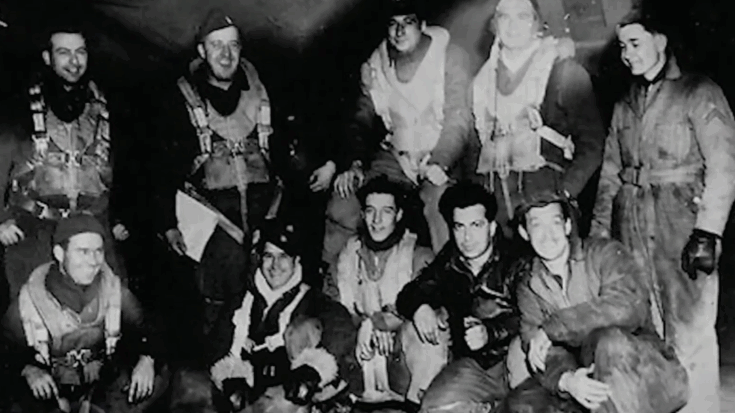
Lieutenant Colonel Rosenthal was chosen to lead the formation of bombers as the Air Commander of one of the heavy bombardment divisions involved in the mission. Rosenthal had a long record of service with the 100th Bomb Group, including extended combat tours and multiple awards for his leadership and bravery. His crew was known for flying numerous missions over Germany, often volunteering for more than the standard number required before rotation back to the United States.
Approaching the Target
Early on the morning of February 3, the bomber stream climbed into formation over England and crossed the North Sea into German territory. Escort fighters, including long-range P-51 Mustangs, flew alongside the heavy bombers to protect them from enemy fighters. As the aircraft neared Berlin, anti-aircraft artillery on the ground opened fire, producing bursts of flak that rattled the formations. Despite this defensive fire, the bombers continued toward their assigned targets, holding steady in large, ordered waves of aircraft.
Berlin’s defenses around the marshalling yards were meant to disrupt the Allied attack, but the clear weather allowed the bombardiers to line up their runs with precision. Bombs were dropped over key rail lines and yards around the city, with the goal of cutting rail links and interfering with the flow of reinforcements eastward. Bombing was heavy enough that fires burned in the city and smoke rose for days after the attack.
Rosenthal’s Aircraft Under Fire
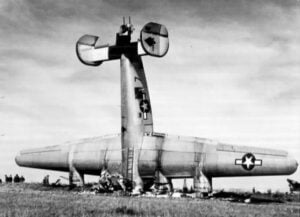
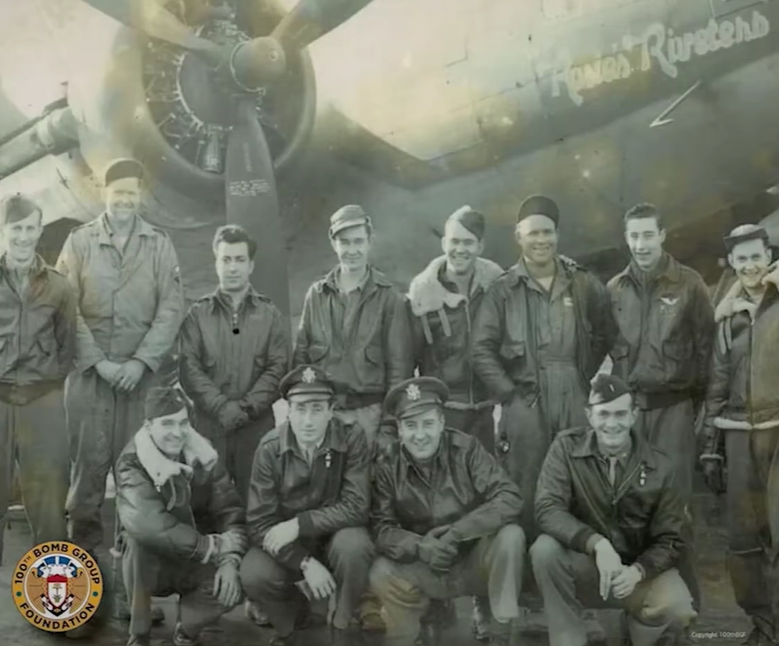
Rosenthal’s own B-17 was among those hit by flak during the run in over Berlin. Several crew members were killed and the aircraft suffered severe damage that set parts of it on fire. Despite this, Rosenthal maintained formation long enough to release his bombs over the target, helping to ensure that his aircraft and crew contributed to the mission’s objective. After the bombs were away, he ordered his remaining crew to bail out as the damaged bomber began to lose altitude. He stayed with the plane until the last possible moment, waiting until it was dangerously low before parachuting himself. Reports note that he suffered injuries in the descent but survived after landing near advancing Soviet lines, where he identified himself and was taken into Allied care.
Many of the bomber crews who flew this mission experienced similar dangers. Some aircraft did not return to base, and crews who survived had to navigate back through hostile territory or seek help from advancing Allied armies. The scope of the mission and the risks faced underscored how much control of the air and the ability to reach targets deep in enemy territory had changed the conduct of the war.
Impact on the War in Europe
The bombing of Berlin on February 3 was one of the largest air raids against the German capital during the war. It disrupted rail traffic and marshalling operations at a moment when German forces were struggling on multiple fronts. Among the structures hit during the mission was the building of the People’s Court, where the court’s president was killed when a bomb struck during an active session.
Rosenthal’s actions that day earned him high honors, including the Distinguished Service Cross from the United States for extraordinary heroism. After the war, he continued to serve his country in other ways, including assisting the U.S. prosecution at the Nuremberg war crime trials. His experiences reflect the complex roles played by airmen in both combat and in the shaping of postwar justice.