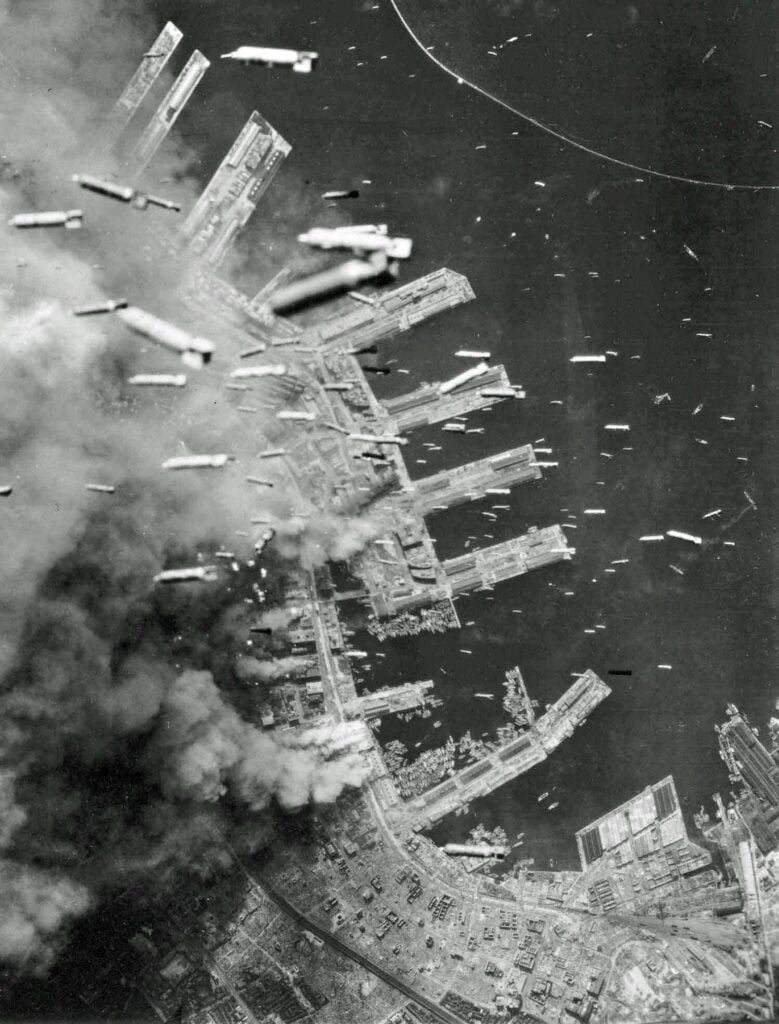
On This Day in WWII (1945): 110 B-29 Superfortresses Bomb Kobe, Testing Devastating Incendiary Tactics
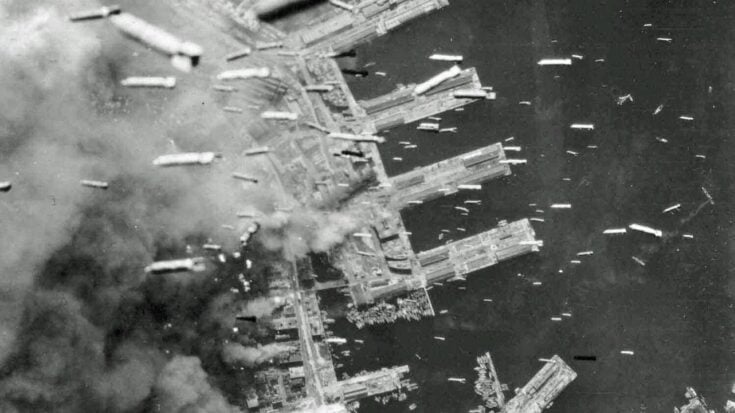
USAAF Photographer, Public domain, via Wikimedia Commons
On February 4, 1945, the United States Army Air Forces sent a large formation of Boeing B-29 Superfortress heavy bombers from bases in the Mariana Islands to strike the Japanese city of Kobe. This raid was one of the early tests of using fire-producing bombs against Japanese urban areas, part of a new air campaign designed to weaken Japan’s ability to fight by targeting both industrial centers and the structures that supported them. The aircraft involved flew long distances over open ocean to reach their target and faced enemy fire, but their attack would help shape how air power was used in the final months of the Pacific war.
The Target: Kobe and Its Role
Kobe was a mid-sized port city on the island of Honshu. It was important for shipping, shipbuilding, and manufacturing. These industries helped Japan supply its forces throughout the Pacific and maintain railway and transport links inside the home islands. Many houses, workshops, and factories were built of wood and paper, materials that would burn easily if set alight. This combination of industry and flammable construction made Kobe a target for experimentation with new bombing tactics.
United States Army Air Forces leaders, under the command of Major General Curtis E. LeMay, sought ways to use the long-range reach of the B-29 to strike Japanese cities at night and at lower altitude with fire-starting bombs. This approach was a shift from earlier high-altitude raids with explosive bombs. Kobe was chosen in part because its layout and building materials provided a clear test of how effective incendiary attacks could be against dense urban areas.
Preparing the Bombers and Crews
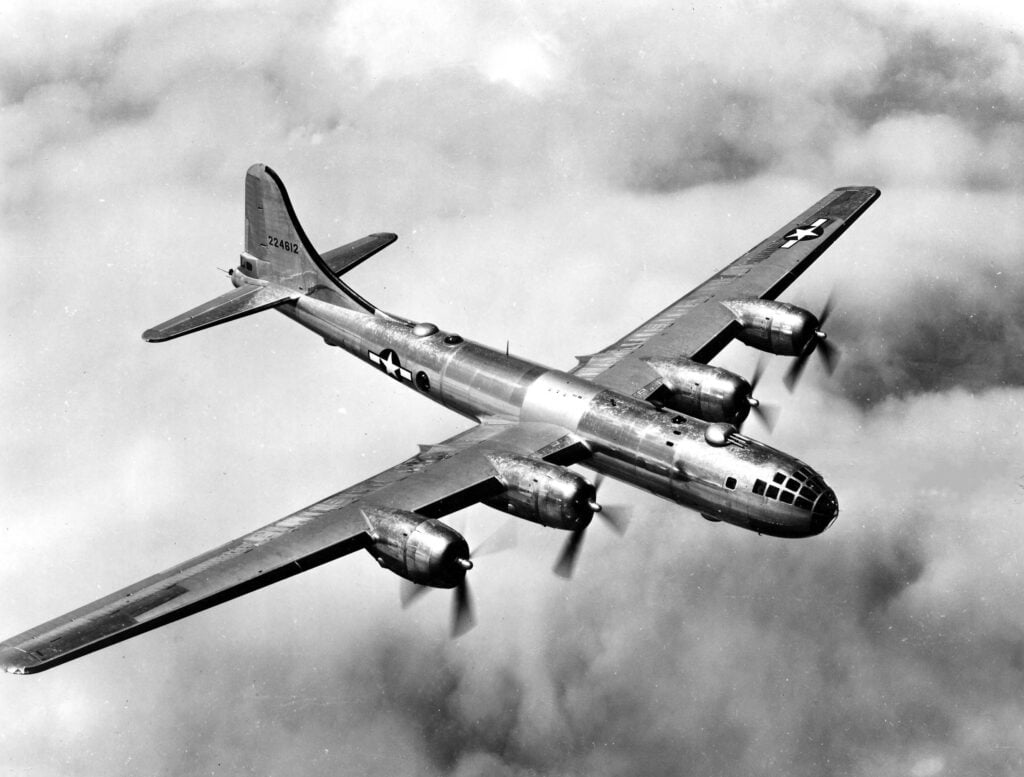
The B-29 Superfortress was the most advanced bomber available to the United States at this stage of the war, able to fly long distances with heavy bomb loads. Crews trained on long flights from bases on Saipan, Tinian, and Guam, learning how to navigate over the Pacific and handle the aircraft’s complex systems. The Superfortress carried a large crew, including pilots, bombardiers, navigators, engineers, and gunners. All had to coordinate closely to manage the long mission and face any threats from enemy fighters or anti-aircraft fire.
On February 4, a force of about 129 B-29s took off for Kobe, although not all would complete the mission as planned. Mechanical problems, weather issues, and navigation difficulties meant that many aircraft turned back or were unable to drop their bombs on the primary target. Still, more than sixty planes reached Kobe and delivered a mix of fire-start bombs and fragmentation bombs at high altitude, aiming to test how well these tactics worked against the urban environment below.
The Raid and Its Effects
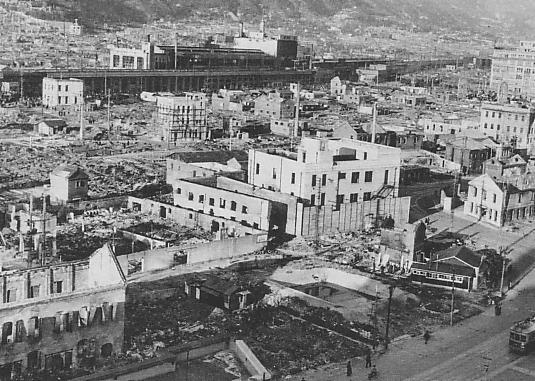
As the bombers approached Kobe, they flew at altitudes above much of the city’s anti-aircraft defenses, using more stable wind layers to help them maintain course and accuracy. Bombs were released over the target area, and reports after the mission indicated that more than 1,000 buildings were destroyed or heavily damaged. A major shipyard and several other industrial facilities were also hit, although clouds and smoke sometimes made precise assessment difficult. Enemy fighters and anti-aircraft guns did engage the formation, shooting down one B-29 and damaging dozens of others.
Crew members who returned from Kobe said the experience differed from earlier raids. Instead of flying at extreme high altitudes in daylight, they operated over Japan with a mix of bomb types and under more varied conditions. The mix of explosive and fire-producing bombs gave air commanders data on how different bomb loads behaved over densely built areas, and how Japanese defenses reacted to these attacks. Some missions that followed later in the war used similar tactics at lower altitudes and night, based on lessons learned at Kobe.
Broader Context of the Pacific Air Campaign
The February 4 raid on Kobe was not the largest B-29 attack on Japan, but it was one of the first that tested firebombing on a significant scale. Later missions in March and June would involve many more bombers and widespread use of incendiary bombs that caused massive damage to Japanese cities. Urban areas that had not yet been directly attacked by long-range bombers became targets as the war continued.
These operations formed part of a sustained air offensive that aimed to reduce Japan’s industrial output and weaken its capacity to support military forces at a time when ground battles in the Pacific, such as at Iwo Jima and Okinawa, were drawing close to the Japanese home islands. The early raid on Kobe helped shape the tactics and planning that followed in the last months of the Pacific war.