

WWII’s Deadliest Job Revealed How Many U.S. Bomber Pilots Were Lost
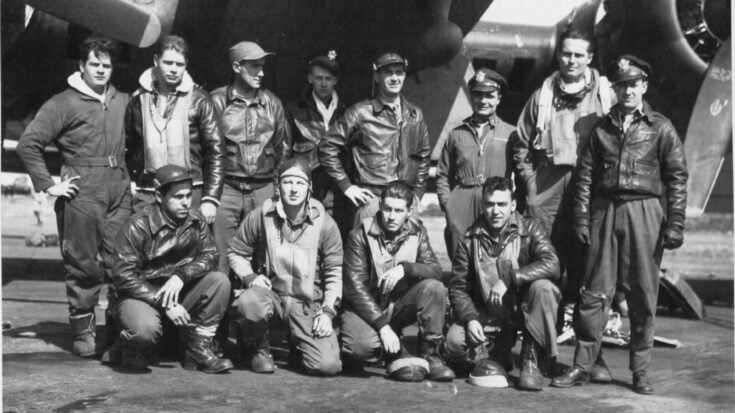
World War II reshaped modern warfare, and few roles carried greater risk than serving aboard an American bomber. These crews flew long missions deep into enemy territory, facing dangers that followed them from takeoff to landing. The numbers behind their losses reveal why historians often describe bomber duty as one of the deadliest jobs of the war.
The Scale of the Danger
The United States Army Air Forces operated a massive air arm during the conflict. Around 291,000 aircrew members served in bomber units, including pilots, co-pilots, navigators, bombardiers, gunners, engineers, and radio operators. Of that total, more than 52,000 were killed. That meant roughly 18 percent of all American aircrew lost their lives.
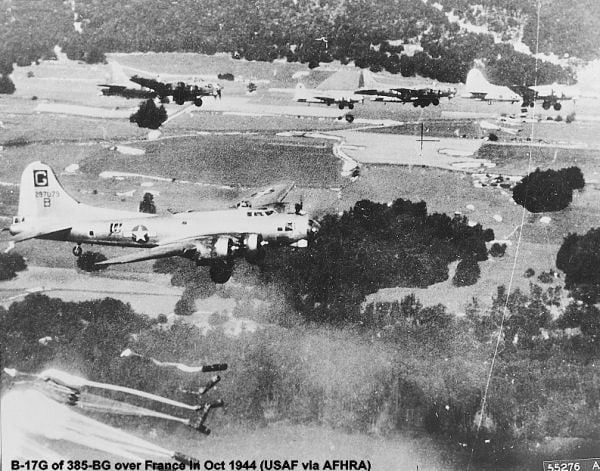
Bomber crews faced risks that fighter pilots rarely did. Heavy bombers were large and slower, making them easier targets. Aircraft such as the B-17 Flying Fortress, B-24 Liberator, and later the B-29 Superfortress carried crews of ten or eleven men. A single hit could wound or kill several crew members at once.
Inside a Bomber Crew
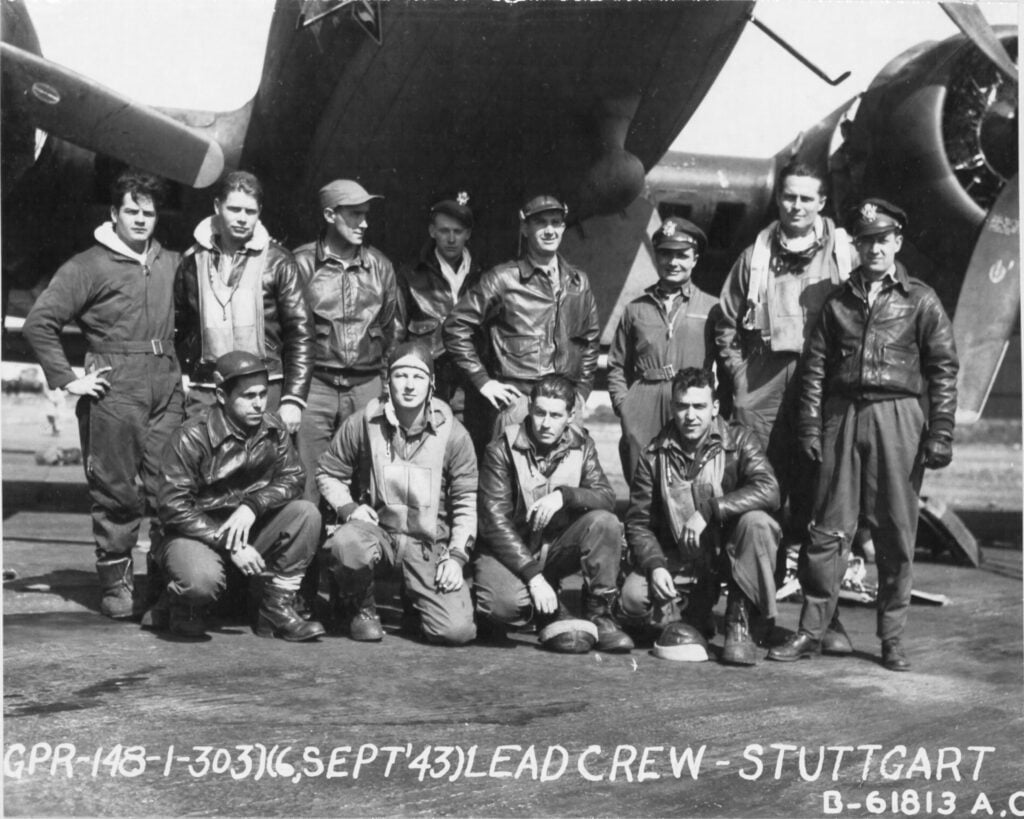
Each bomber relied on teamwork. Pilots controlled the aircraft and held formation. Navigators guided the plane across unfamiliar skies. Bombardiers aimed weapons with precision. Gunners defended against enemy fighters, while radio operators handled communication. Every role mattered, and failure in one could doom the entire crew.
Missions often lasted many hours at high altitude. Crews endured freezing temperatures, thin air, and constant tension. Over Europe, bombers flew repeatedly over German territory, facing layered air defenses. Anti-aircraft fire could rip through metal, while fighters attacked in coordinated waves.
Combat Losses and Captivity
To survive, bombers flew in large formations. This allowed gunners to protect one another, creating overlapping fields of fire. Even so, losses were heavy. Some crews were shot down on their first mission. Others survived several flights before being hit.
Airmen who survived being shot down often faced capture. Many spent the rest of the war as prisoners, enduring harsh conditions. Others went missing entirely, their aircraft lost over land or sea. Each mission carried the chance that a crew would never return.
Accidents Away From the Enemy
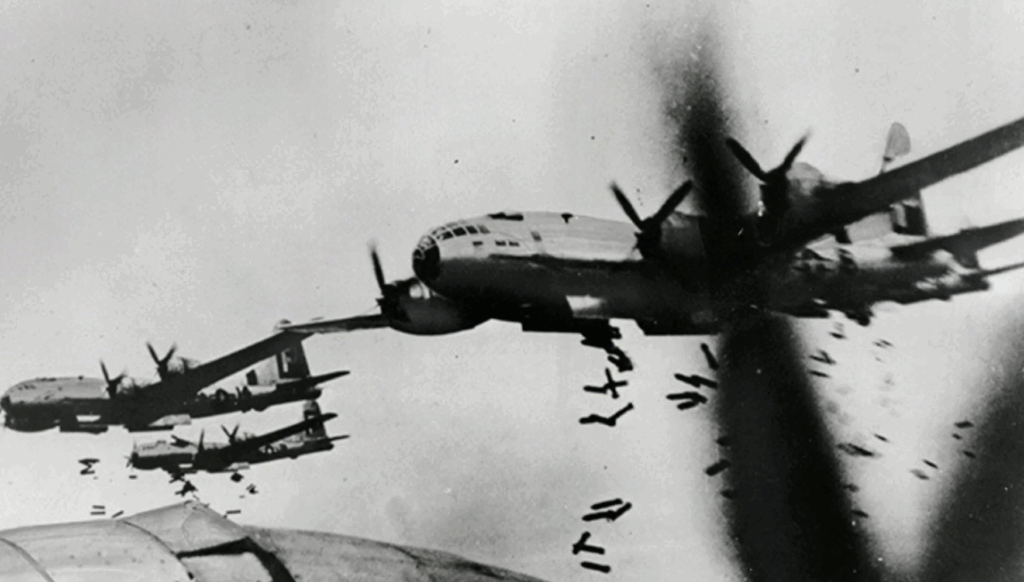
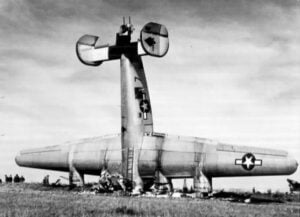
Combat was not the only threat. Bombers were complex machines, and accidents claimed many lives. Training crashes, weather, navigation errors, and mechanical failures killed crews before they ever reached enemy territory. Young pilots often flew aircraft pushed to their limits.
Training tried to prepare airmen for these dangers. Crews practiced formation flying, emergency drills, gunnery, and navigation. Still, no amount of preparation could fully match the stress of real combat. The margin for error was always thin.
Mental Strain and Endurance
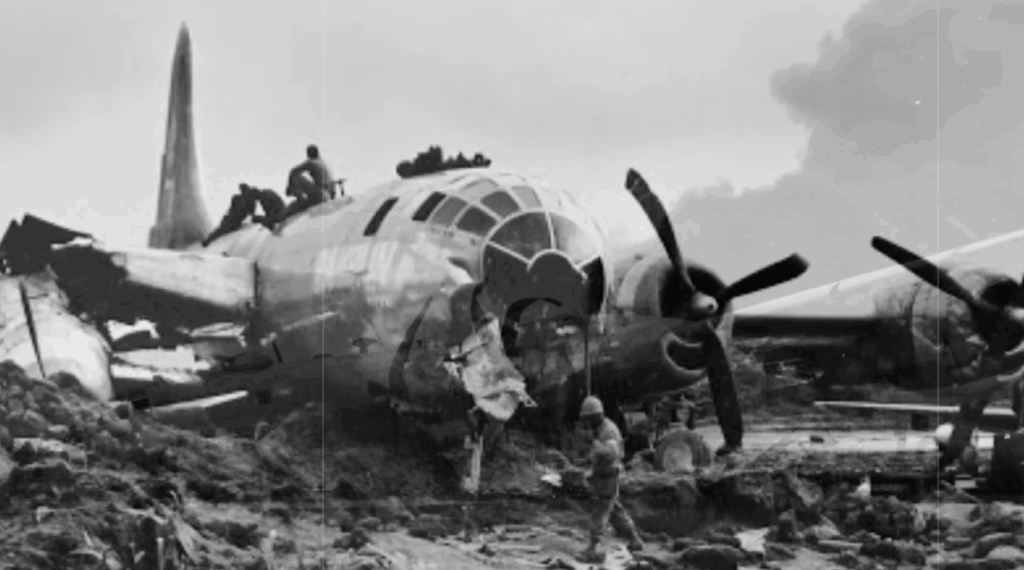
The psychological toll was severe. Crews lived with constant fear and exhaustion. Missions were repeated again and again, with little rest. Each flight meant climbing back into danger, knowing others had not returned.
Despite this, many crews pressed on. They were driven by duty, loyalty to their crewmates, and belief in their mission. Stories from the war describe gunners firing while wounded and pilots holding damaged aircraft together long enough for others to escape.
Different Fronts, Same Risk
Conditions varied by theater. In Europe, German defenses included radar, heavy flak, and skilled fighter pilots. In the Pacific, crews faced long flights over water, violent storms, and Japanese defenses. B-29 crews flying from the Mariana Islands faced some of the longest and most demanding missions of the war.
Strategic bombing targeted factories, rail lines, oil facilities, and ports. These missions weakened enemy supply and production. The cost was high, but the impact was significant. Bomber crews paid a steep price, and their losses remain among the starkest figures of World War II.


.jpg)
