
THE ONE MAN AIR FORCE OF WW2: 1 vs 30
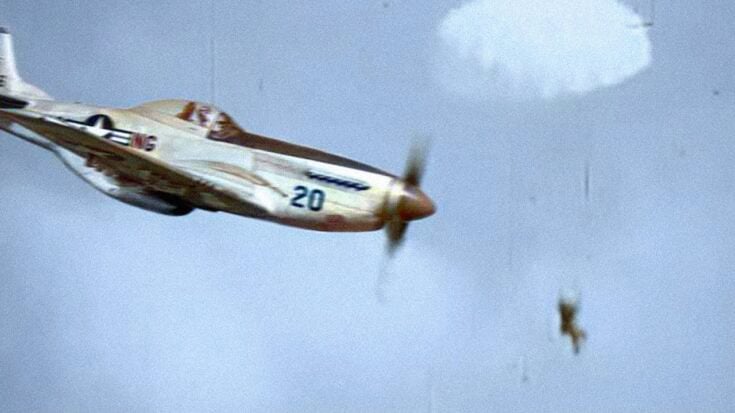
YouTube / Dark Docs
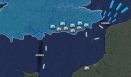
On January 11, 1944, the 401st Bomb Group was returning from a strike on a German Me-110 production plant when Luftwaffe fighters converged on the formation. The B-17 crews had already taken heavy fire as they crossed above the Netherlands, and visibility was limited by smoke and exhaust.
As the bombers tried to regroup, the gunners saw a single P-51 Mustang rise into view. The fighter was moving aggressively through the scattered contrails, cutting into the attacking force. Crews counted nearly 30 German fighters attempting to reach the B-17s. One Mustang stood between them.
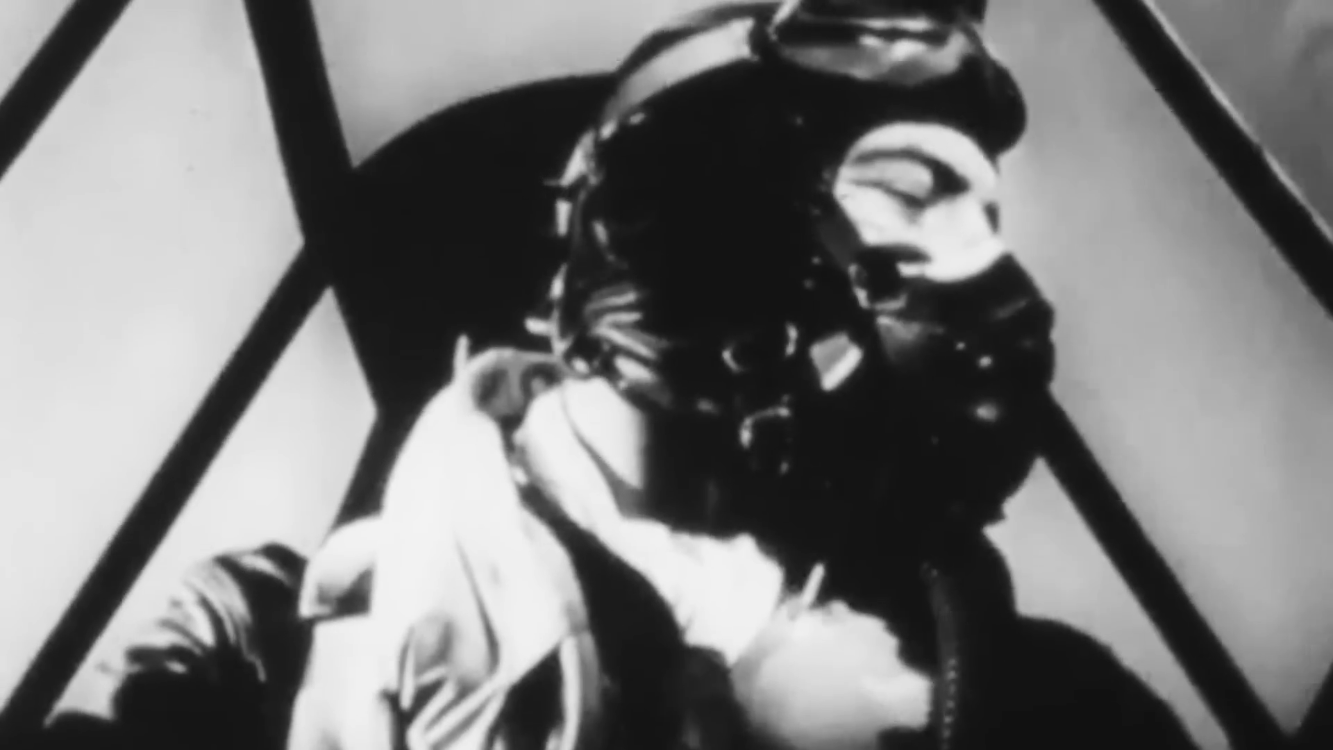
That pilot was James Howard. His actions during those minutes became one of the most studied individual combats of the air war in Europe.
From China to the Cockpit of a P-51
Howard was born in China in 1913 and grew up in St. Louis. He studied pre-medicine but pursued flight training instead, earning one of only 15 available Navy pilot slots in 1938. His first operational flying came aboard USS Enterprise in the Grumman F3F-2.
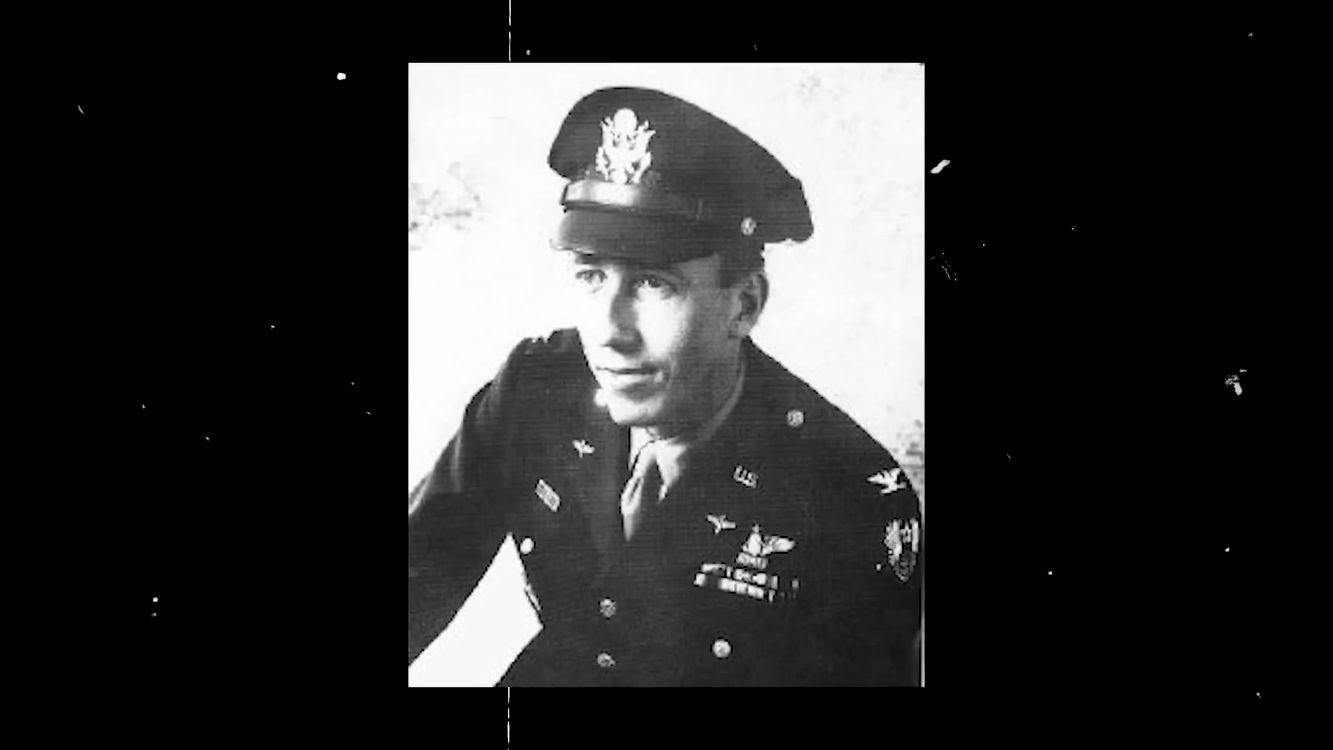
He left the Navy to join the American Volunteer Group in Asia. With the Flying Tigers, he gained experience against skilled Japanese pilots and completed 56 missions. He shot down six aircraft during this period and became a Pacific ace before returning to the United States in 1942.
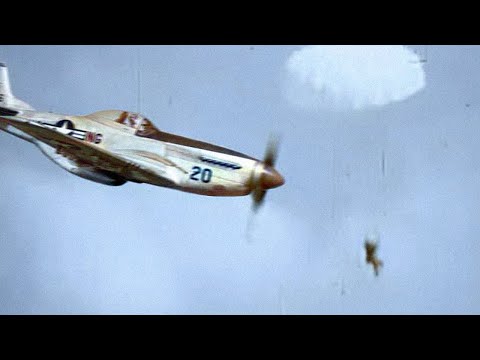
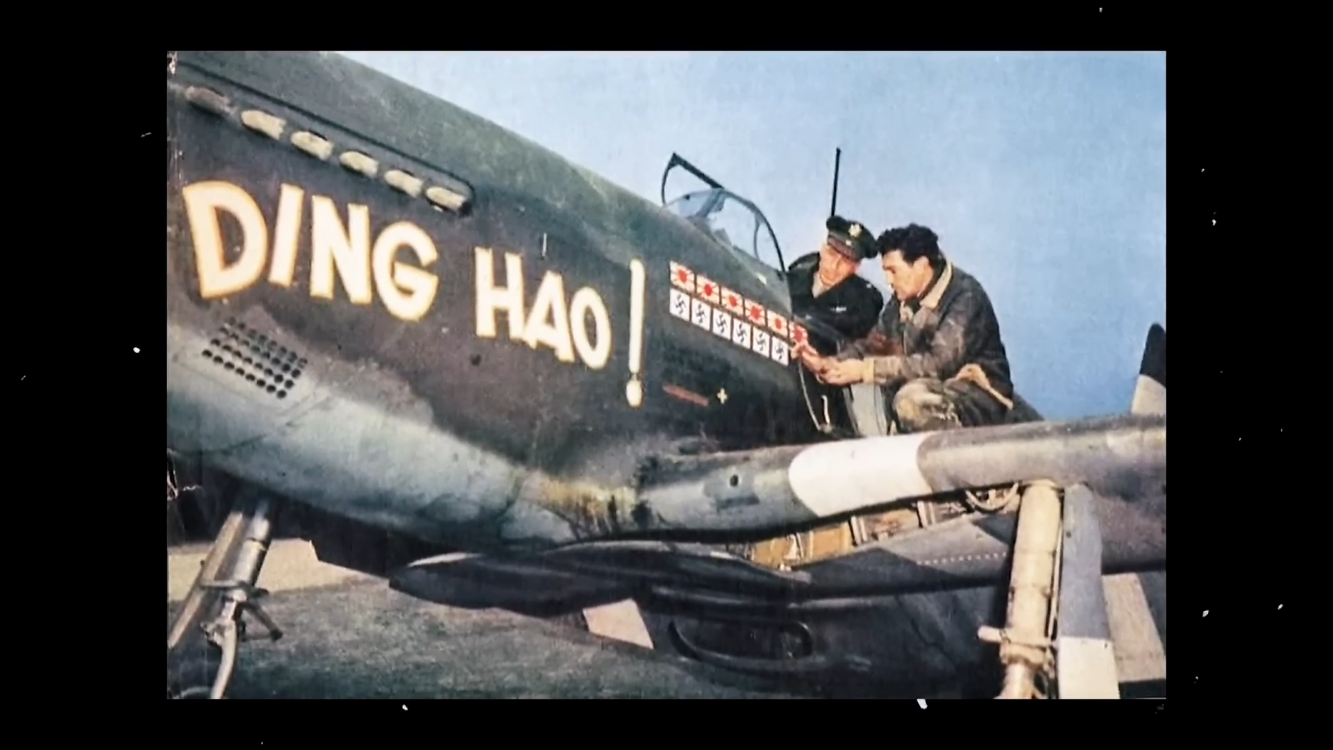
After recovery from illness, he transitioned to Army Air Forces fighters and flew P-38s and P-47s on West Coast defense duties. When additional pilots were needed in Europe, Howard was promoted and sent to England to command the 356th Fighter Squadron. His assigned aircraft was a P-51 marked Ding Hao.
Thirty Minutes Against Thirty Fighters
During the return leg of the January 11 mission, Howard shot down a Bf-110 that approached the lead bomber boxes. The fight separated him from the rest of his squadron, and radio problems left him alone.
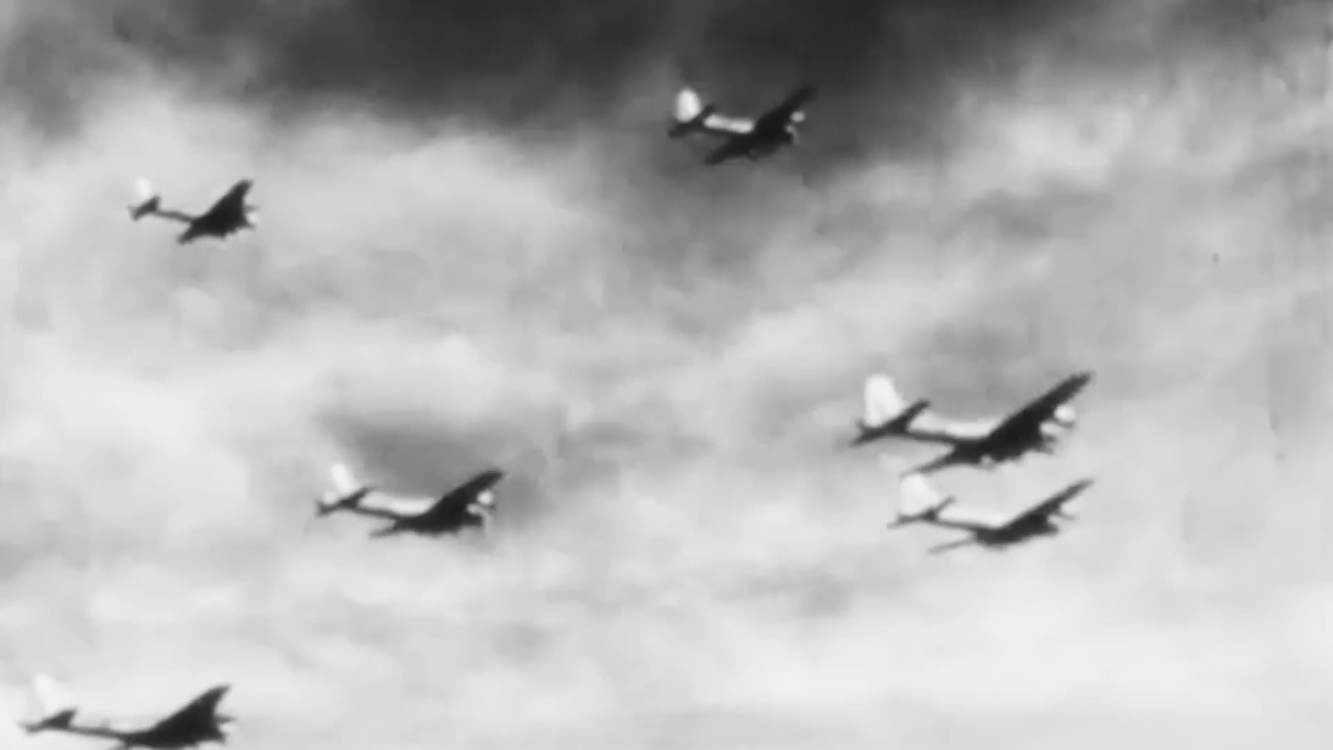
Climbing back toward the B-17 stream, he saw roughly 30 German fighters preparing to strike. No other P-51s were visible. Howard did not wait to assemble his squadron. Instead, he went directly into the formation and began breaking up the attack runs.
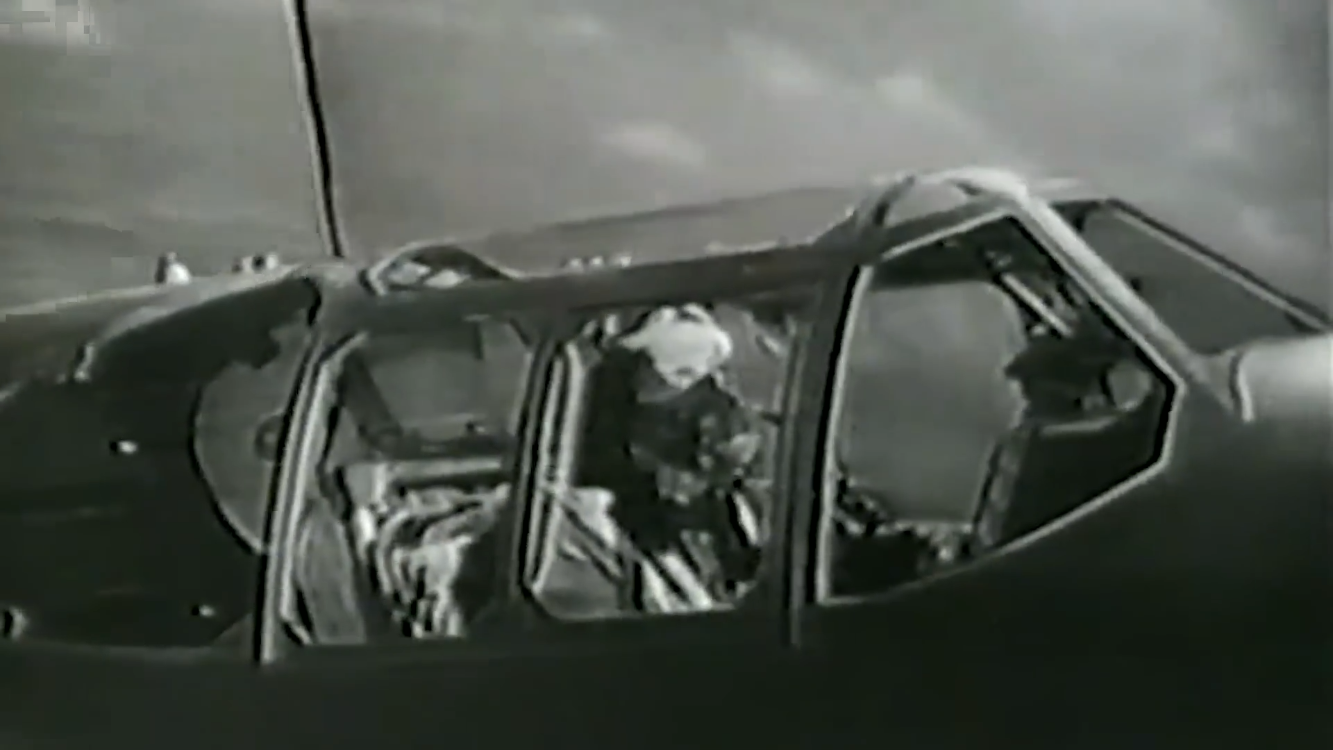
For approximately 30 minutes, Howard maneuvered among the B-17s and disrupted every German approach. He shot down multiple fighters, forced others to abandon their runs, and stayed with the bombers even after three of his guns ran dry. When ammunition became low, he continued with bluffing attacks to protect the formation.
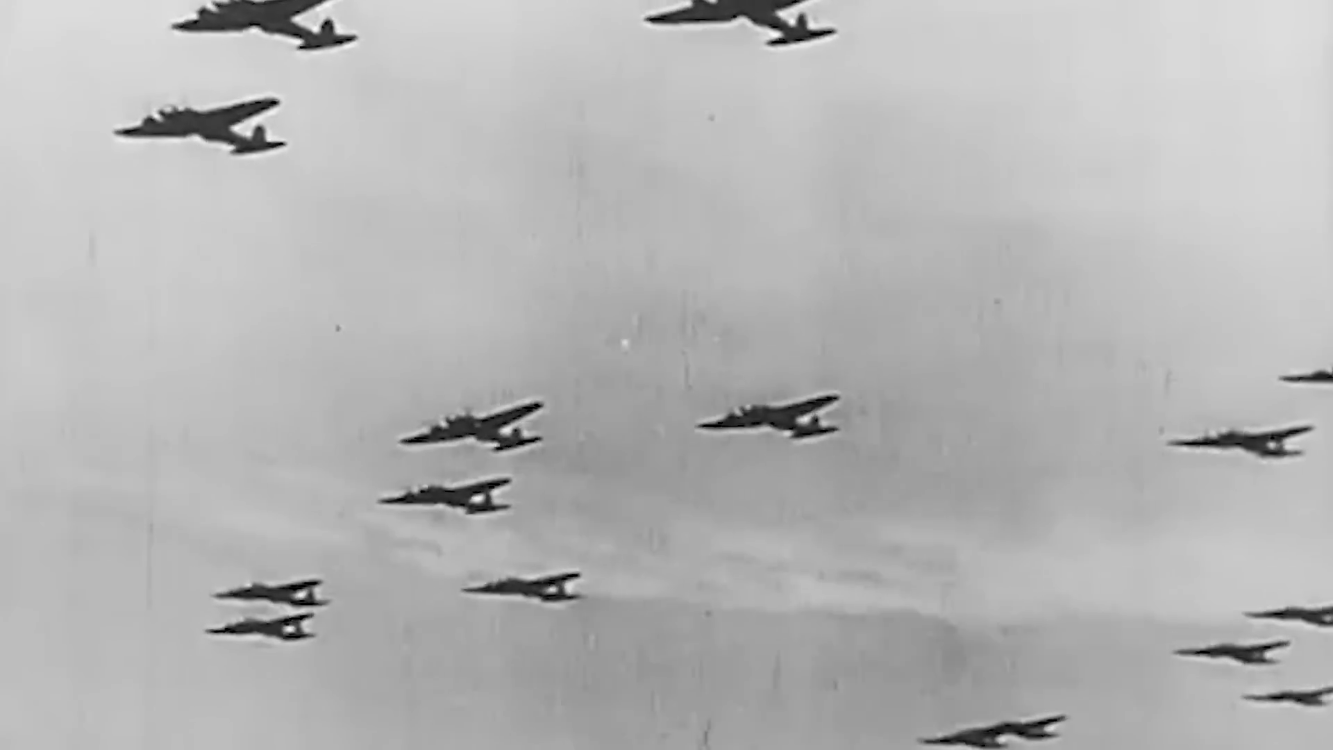
When the fighting subsided, he gathered several separated P-51s and guided them home.
Recognition and Return to Combat
Bomber crews described a single Mustang moving constantly across the formation. Their reports reached Eighth Air Force headquarters, and gun camera footage confirmed the pilot as James Howard. He was credited with four kills for the day.
Senior leaders described the engagement as one of the most determined solo defenses in the air war. Howard received the Medal of Honor on June 5, 1944, becoming the only P-51 pilot in the European theater to receive it.
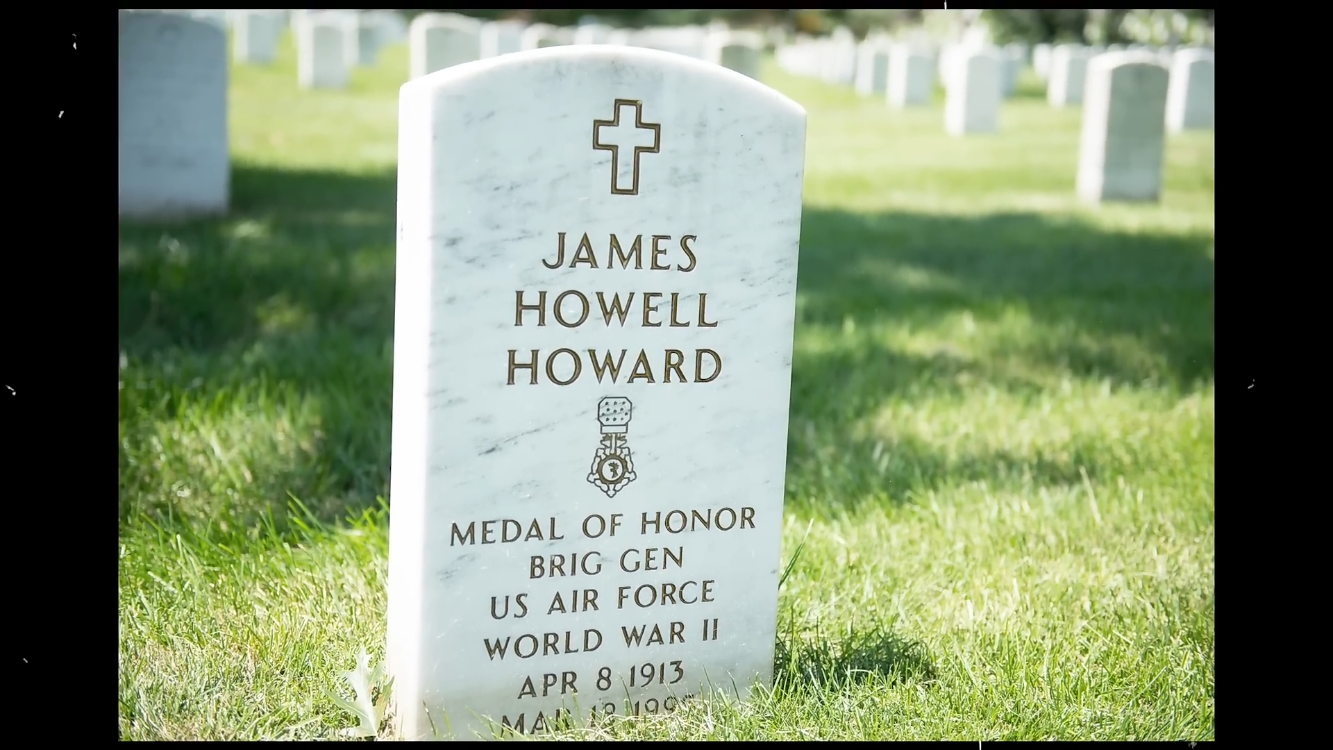
Howard continued flying missions, supported planning for Normandy operations, and later retired from the Air Force as a brigadier general. He died in 1995 and was buried at Arlington National Cemetery.