



When A P-38 Attacked A B-17 Formation
YouTube / TJ3 History
A Captured Lightning Over the Mediterranean
In August 1943, crews of the 301st Bomb Group crossed the Italian coastline on their return from a mission over northern Italy. The flight home followed a familiar pattern of flak, enemy interceptors, and long hours over water. What waited for them near the coast was an event that remains one of the rarest encounters of the war.
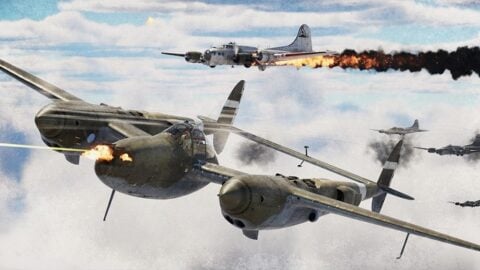
A P-38 Lightning approached their formation, appeared friendly, and then opened fire. The bomber crews found themselves under attack by an American fighter placed in enemy hands.
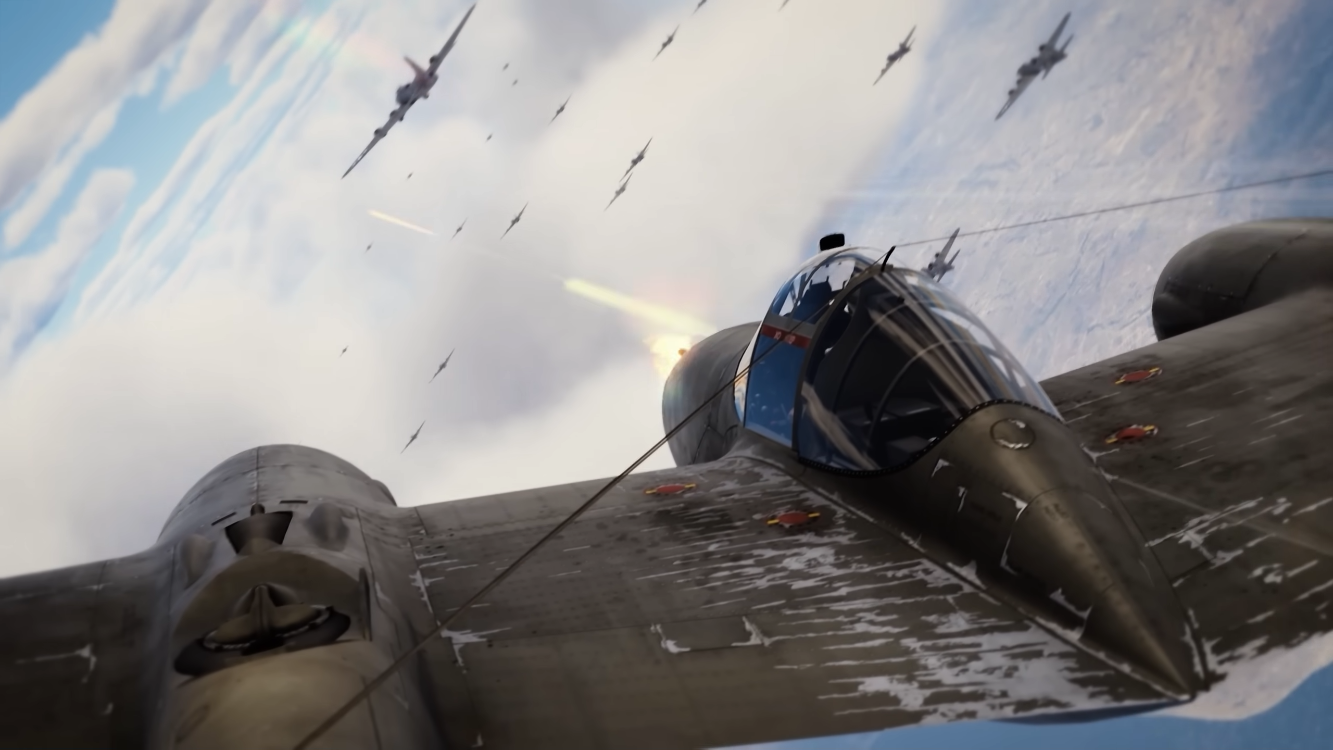
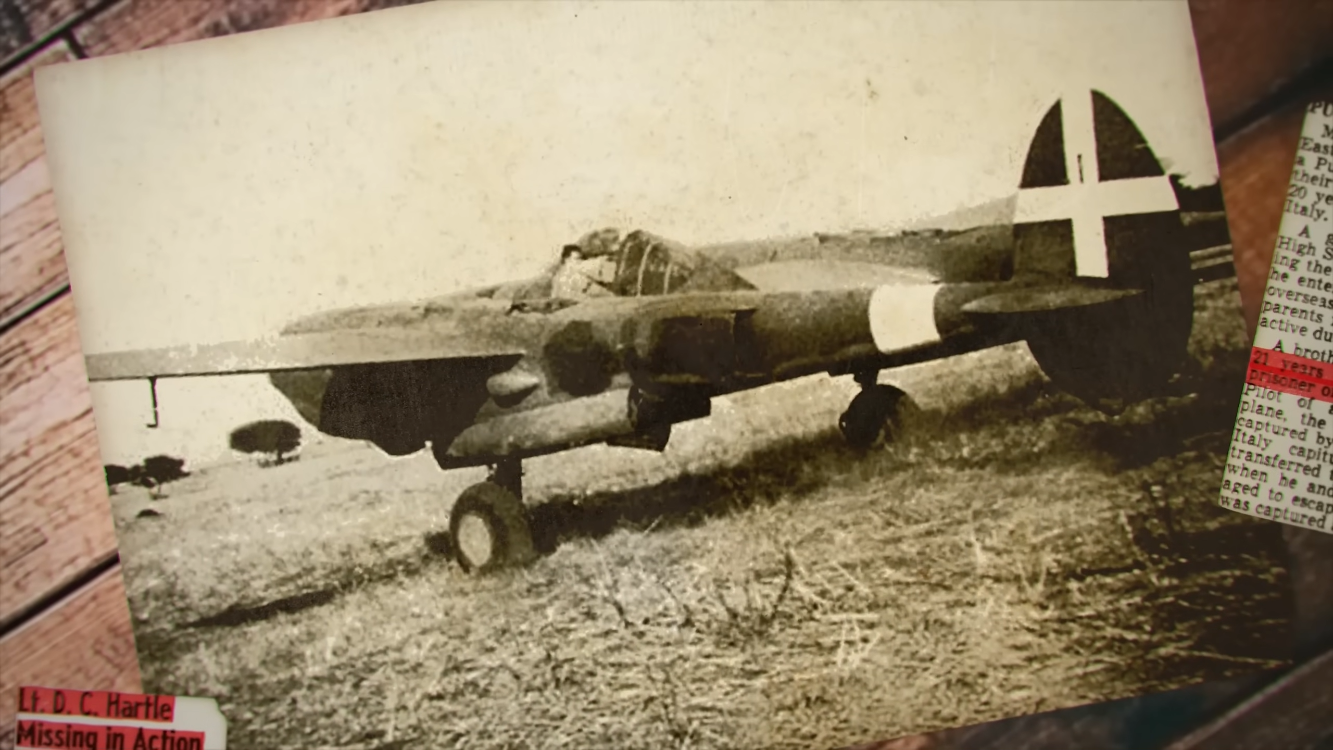
This unusual chain of events began two months earlier. On June 12, 1943, Second Lieutenant Dwight Hartle became lost while returning from a reconnaissance mission. A faulty compass drifted him off course and pushed him toward Sardinia.
He believed he was approaching a friendly field, but he descended into an Italian air base and landed. Italian personnel captured him and secured his intact P-38. The Regia Aeronautica quickly ferried the aircraft to its research center near Rome.
A Deceptive Plan Takes Shape
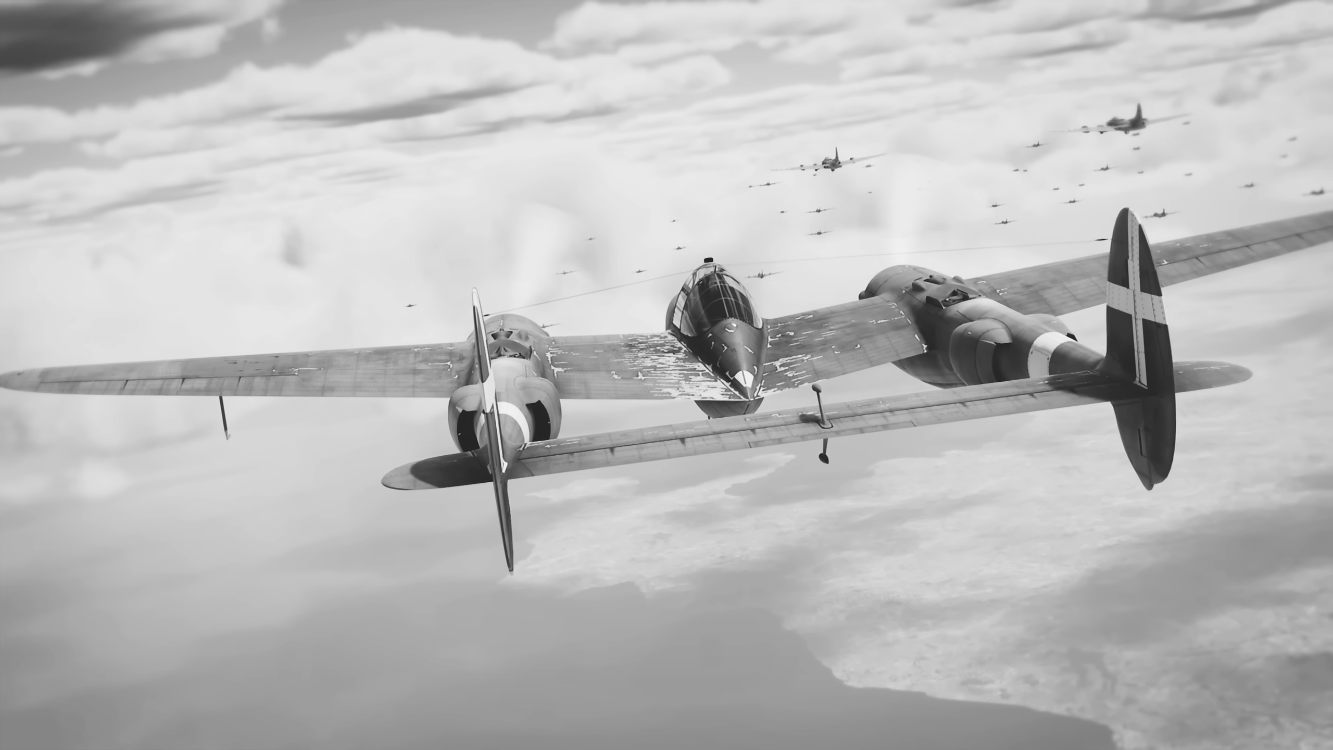
Colonel Angelo Tondi, a test pilot with extensive experience, was assigned to fly the captured Lightning. After several evaluation flights, he proposed using the aircraft as a method of deception. The P-38 received dark green paint and Italian crosses, although photographs show markings applied with minimal modification. Tondi believed the aircraft could approach a bomber formation without raising alarm and deliver a sudden blow before the gunners reacted.
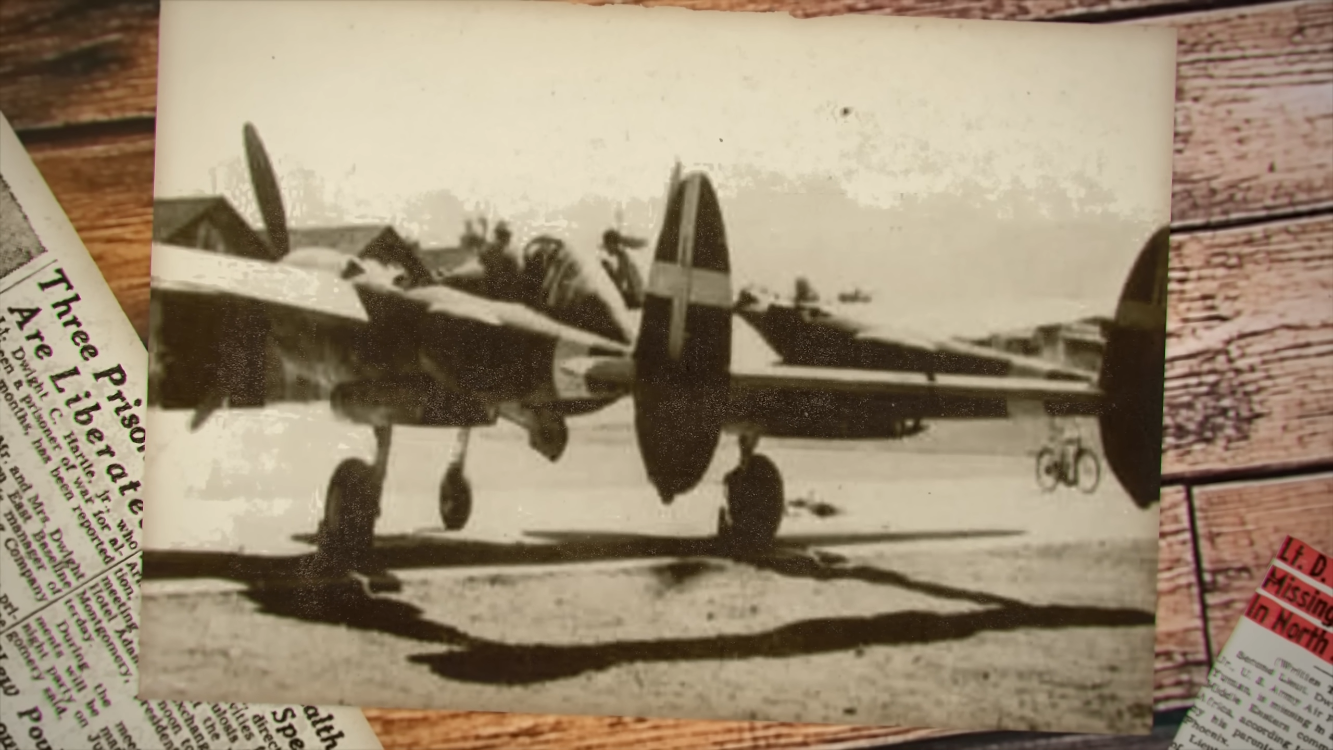
By August, Italian command approved the plan. Tondi would take the P-38 into combat while Macchi C.202s provided escort. Mechanical reliability concerns limited the aircraft’s long term value, so the Italian leadership accepted the risk.
The Attack on the 301st Bomb Group
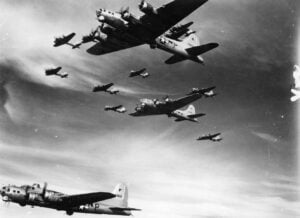
On August 11, 1943, the 301st Bomb Group began crossing the coast on its return to base. Gunners spotted what looked like a friendly P-38 with several fighters nearby. Witnesses stated that the Lightning wiggled its wings and approached slowly. As it closed to roughly 300 yards, it fired a sustained burst into the formation. The crew of the B-17 Bonnie Sue reported hits along the fuselage and loss of control. Six of the nine men aboard died after the bomber entered a spin and crashed into the sea.
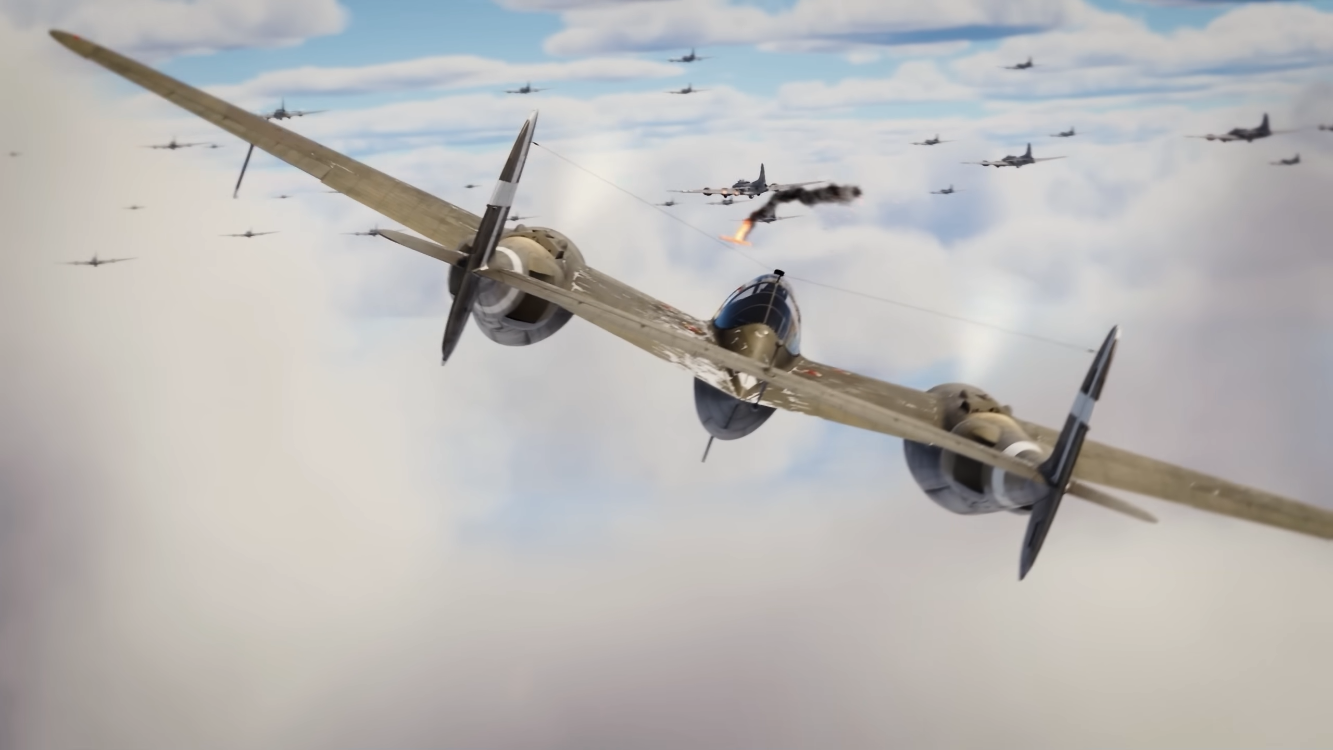
Tondi continued his attack and struck additional aircraft. One more B-17, Lady Evelyn, failed to reach base and force landed in Tunisia. Survivor accounts emphasized the attacker’s precision, timing, and knowledge of formation blind spots. Confusion among the American gunners allowed the captured P-38 to press several passes before withdrawing.
Aftermath
The aircraft’s service ended within weeks. Low grade fuel and oil damaged the engines and forced the Italians to ground it. Italian resistance soon collapsed and the captured P-38 never flew again. Its short combat record resulted in the loss of two American bombers to an American fighter in enemy service, an event unmatched in World War II and in later air warfare.