


How the P-51 Mustang Became the Fighter That Saved the Bomber War After the Schweinfurt Disaster
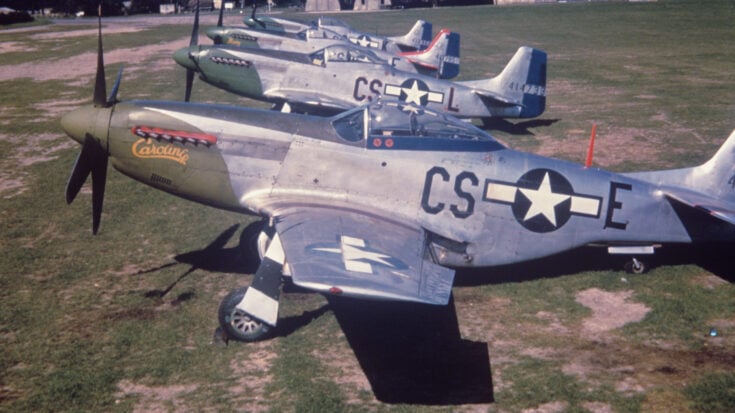
Photo by See page for author, Public domain, via Wikimedia Commons
The Morning of Black Thursday
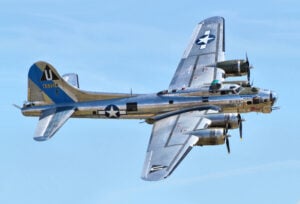
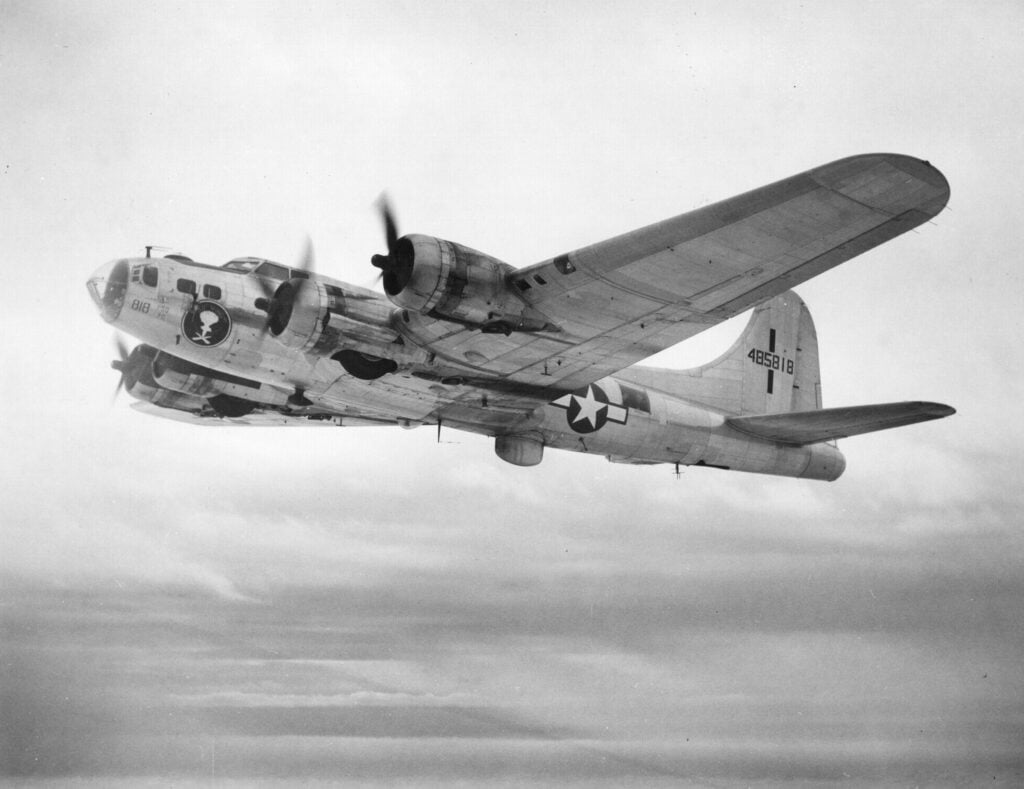
On the morning of October 14, 1943, the airfields of eastern England were shrouded in a damp, cold mist, hiding the tension that gripped every man preparing for flight. From before dawn, ground crews had been readying the massive B-17 Flying Fortresses, their fingers numb and faces streaked with oil and fuel. By mid-morning, the engines roared to life, a signal that another mission into Germany was underway. The men climbing into the cockpits knew the dangers that awaited them.
Two months earlier, a raid on Schweinfurt had cost 60 bombers and 600 men, marking the deadliest mission in the history of the Eighth Air Force. The target remained vital: the ball bearing factories there supplied critical parts for tanks, aircraft, and vehicles. Destroying them could slow the German war machine, but the cost for those flying in was nearly unimaginable.
The Perils of Unescorted Bombing
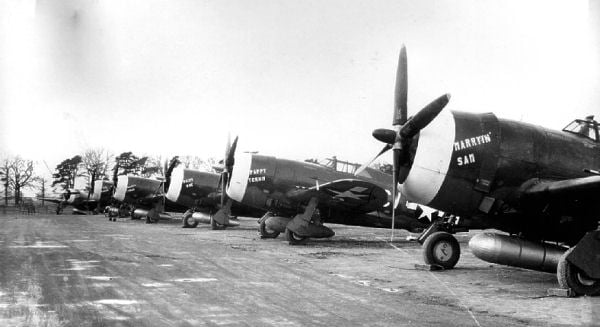
The plan involved hundreds of B-17s flying in formation, escorted by P-47 Thunderbolts only as far as the German border. Beyond that, the bombers were exposed to attacks from experienced German fighters. As the American planes crossed into enemy airspace, the P-47s waved farewell and turned back, leaving the bomber crews to face waves of Messerschmitt Bf-109s and Fw-190s alone. Attacks came from every angle.
Fighters dove from the sun, unleashing machine guns and cannons at point-blank range. Engines were targeted, wings shredded, and planes sent spinning toward the ground. Parachutes dotted the sky, marking the men who had survived long enough to bail out. Temperatures reached forty degrees below zero at high altitude, oxygen masks froze, and blood from wounded men often froze before it could be bandaged. By the time the bombers reached Schweinfurt and dropped their payloads, 60 planes had been lost, with 650 men killed, wounded, or missing. The mission became known as Black Thursday, a clear demonstration that unescorted daytime bombing was unsustainable.
The Birth of the Mustang
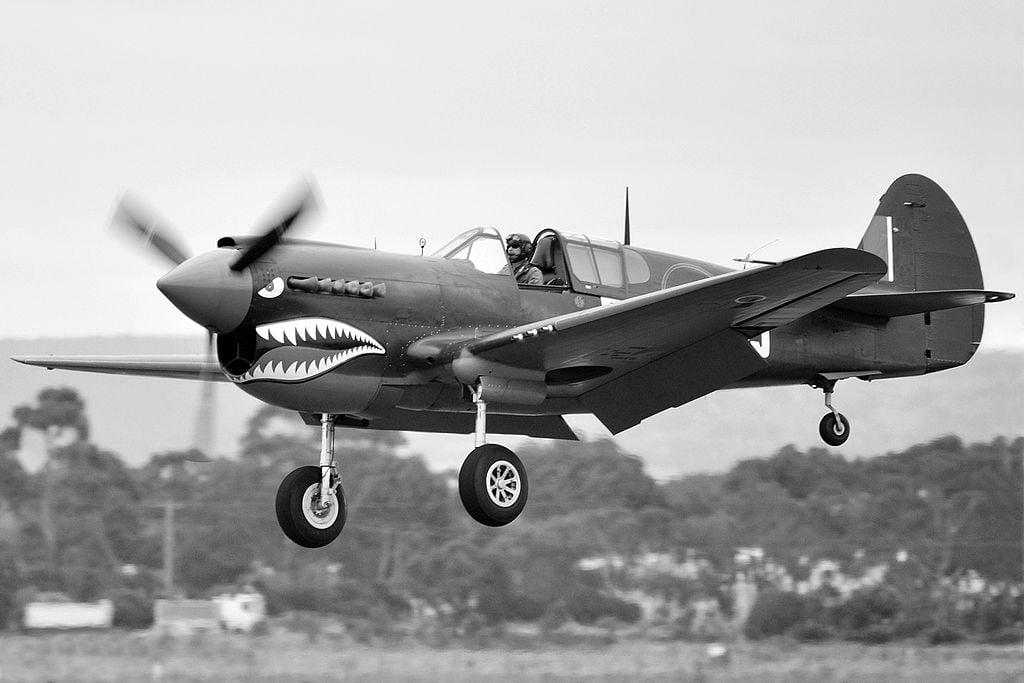
The solution came through innovation and adaptation. North American Aviation, prompted by the British in 1940 to produce Curtiss P-40 Warhawks, proposed designing a new fighter from scratch. Led by designer Edgar Schmood, the team created a sleek airframe that reduced drag and increased range. Early Mustangs, however, struggled at high altitudes with their Allison engines and were initially used for reconnaissance.
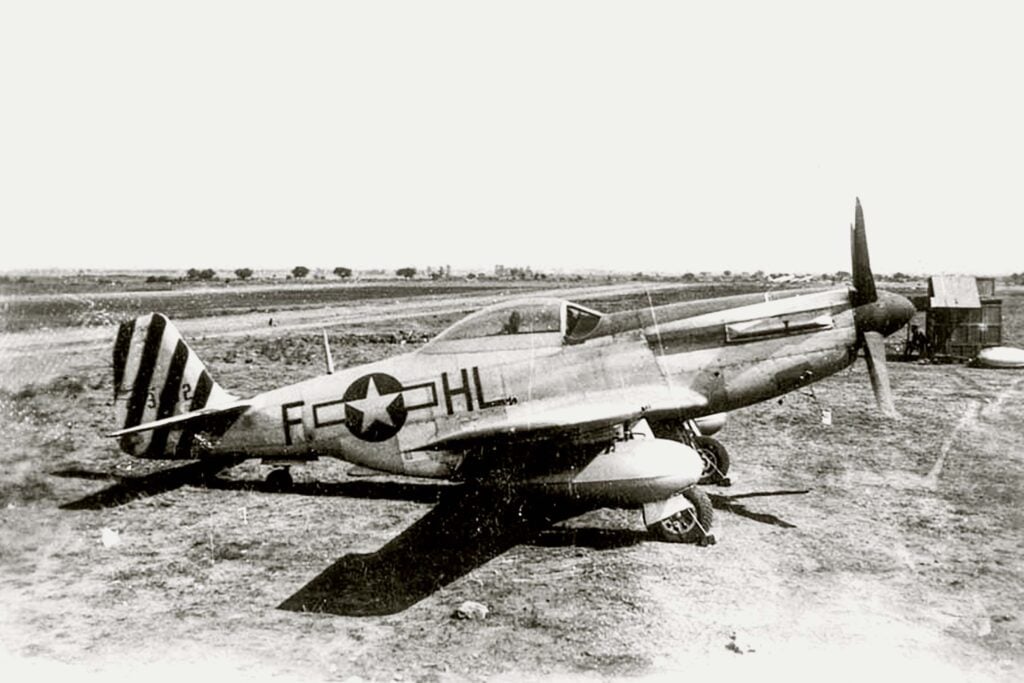
The breakthrough came when a British test pilot suggested fitting the aircraft with a Rolls-Royce Merlin engine. This combination unlocked the Mustang’s potential, allowing it to reach altitudes, speeds, and ranges previously impossible for American fighters. By late 1943, the P-51 began escorting bombers to targets deep in Germany, keeping enemy fighters at bay.
Transformation of the Air War
The Mustang’s arrival transformed the air war. Fighter groups once skeptical of the seemingly fragile P-51 quickly embraced it. On its first escort mission in December 1943, bomber losses dropped to zero as Mustangs aggressively engaged German planes. Lieutenant General Jimmy Doolittle revised tactics, sending fighters to hunt enemy aircraft before they could reach the bombers.
By Big Week in February 1944, the P-51s played a crucial role in destroying the Luftwaffe’s experienced pilots, securing air superiority for Allied forces. The Mustang ensured that subsequent bombing missions could proceed with minimal losses, paving the way for the success of D-Day and the final defeat of Germany.
Legacy and Impact
By the end of the war, the P-51 Mustang had destroyed nearly 5,000 enemy planes in the European theater, more than any other American fighter. Its success came at a staggering cost, with over 26,000 men killed in action and 28,000 captured. Yet the aircraft gave countless bomber crews the fighting chance they had lacked during Black Thursday.
The story of the Mustang, from its initial design to its crucial role in the air war, reflects the ingenuity, courage, and determination of the men and women who refused to accept failure and transformed the course of history.