How a WWII Bomber Became a “Photo of Death”
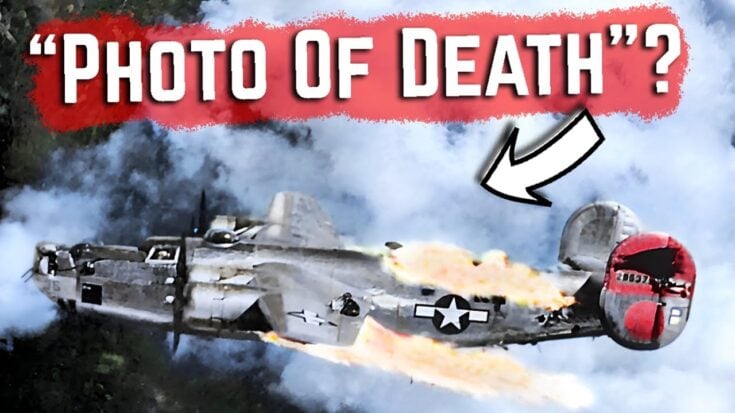
YouTube / TJ3 History
On August 23, 1944, the crew of a B-24 Liberator named Extra Joker flew a mission over Austria in someone else’s aircraft. A last-minute equipment swap had put them aboard a different bomber called Thundermug. Their usual plane flew alongside them in formation. They watched it burn.
The Switch That Saved Them
The 451st Bomb Group was assigned to hit an industrial target in Austria that morning. A new rule required the lead bomber to carry the updated Norden bombsight, but Extra Joker hadn’t been equipped with one yet. The solution was straightforward: the crew would switch to Thundermug, which had the bombsight installed. These kinds of swaps happened regularly and rarely mattered.

This one mattered enormously.
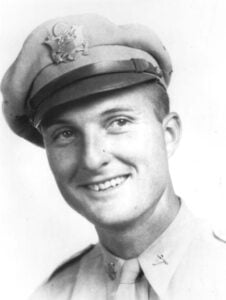
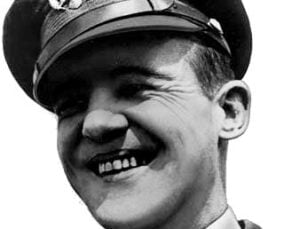
Also boarding Thundermug that morning was Sergeant Leo Stoutsenberger, a combat photographer who was technically assigned to fly on Extra Joker. In the pre-mission confusion he ended up on the wrong aircraft. The crew didn’t notice him until they were already airborne.

A Fatal Formation
The mission had additional problems. The trailing four-plane element was supposed to have seven aircraft, but three turned back with mechanical issues before reaching the target. Flying as the last and smallest element of the formation made them the most exposed position in the entire group. The crew radioed their commanding officer requesting a formation adjustment. He declined, saying he expected no resistance on this mission.
He was wrong.
The Attack
Minutes from the target, a call came over the radio. Bandits, six o’clock high. A large force of Focke-Wulf 190s dove in from behind. The American fighter escort had already departed for home. The trailing four-plane element had no cover.
The first German pass destroyed the trailing bomber immediately. No one got out. The fighters turned next toward Extra Joker and Thundermug flying side by side.

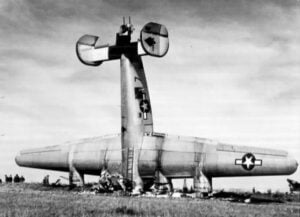
Stoutsenberger moved to the right waist gun window with his camera. From that position he had a direct view of Extra Joker as the Fw 190s made their next pass. His camera recorded what happened. The Liberator took repeated hits. Fire spread across the left wing. The aircraft fell out of formation, uncontrolled, and exploded. No parachutes were seen. Photographs taken in the moments before the explosion showed the waist gunners and pilot already motionless at their positions.

Navigator Nikki Fox, flying aboard Thundermug in the crew position he normally held on Extra Joker, watched it happen through the same window. He later recalled that the photographer may have been so focused on capturing the shots that the waist gunner beside him paid more attention to the camera than his gun.
Thundermug was the only aircraft from the four-plane trailing flight to make it back to base.
The Photograph and Its Weight
Stoutsenberger’s 13 photographs became some of the most recognized combat images of the air war over Europe. He received the Distinguished Flying Cross for capturing them. He later said he felt guilty taking pictures while men burned inside the aircraft, knowing he was supposed to have been on it.

Tail gunner Tommy, who had remained with the Extra Joker crew and defended Thundermug throughout the engagement, scoring one confirmed kill and one probable, was recommended for a medal by his crew. The commanding officer declined. According to Fox, approving it would have required acknowledging that the order to maintain the exposed four-plane formation had been a mistake.
The photographs endured. The accounting never fully came.