



The Pilot Who Saved a Crippled B-17 with One Small Metal Skid
B-17 Flying Fortress / YouTube
On the final day of 1943, a B-17 bomber returning from a bombing mission over German territory faced a crisis no training manual could solve. The aircraft was badly damaged, its landing gear was destroyed, and ten men were trapped in the air with only a thin margin between survival and disaster. Their safe landing came from the quick action of a ground crew chief who used a simple metal skid to keep the aircraft from breaking apart on touchdown.
Frozen Sky, Broken Aircraft
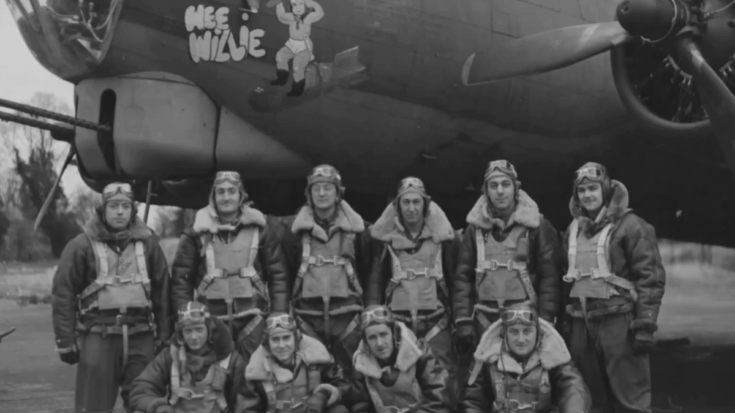
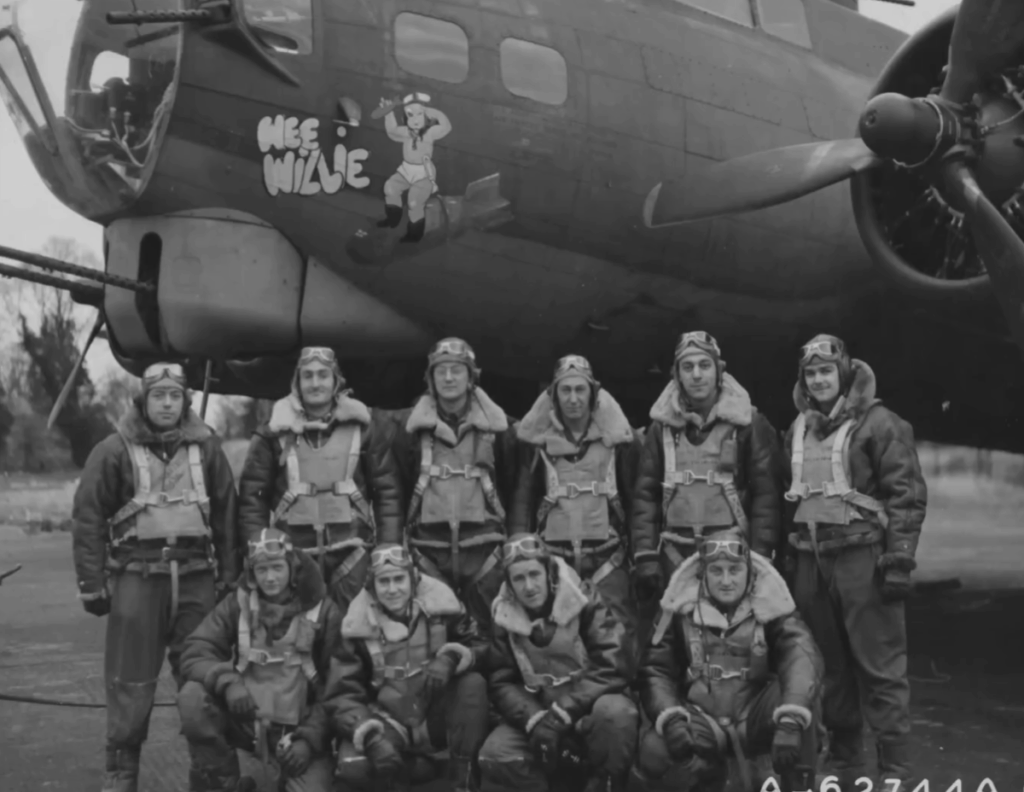
On December 31, 1943, a B-17 Flying Fortress named Wee Willie took part in an Eighth Air Force mission over France. The aircraft belonged to the 360th Bombardment Squadron, part of a group based at RAF Molesworth in England. The mission was familiar to the crew, a strike against German industry near Paris. Their squadron had already flown through fire and smoke on earlier missions, facing anti-aircraft guns on the ground and fighter attacks in the air.
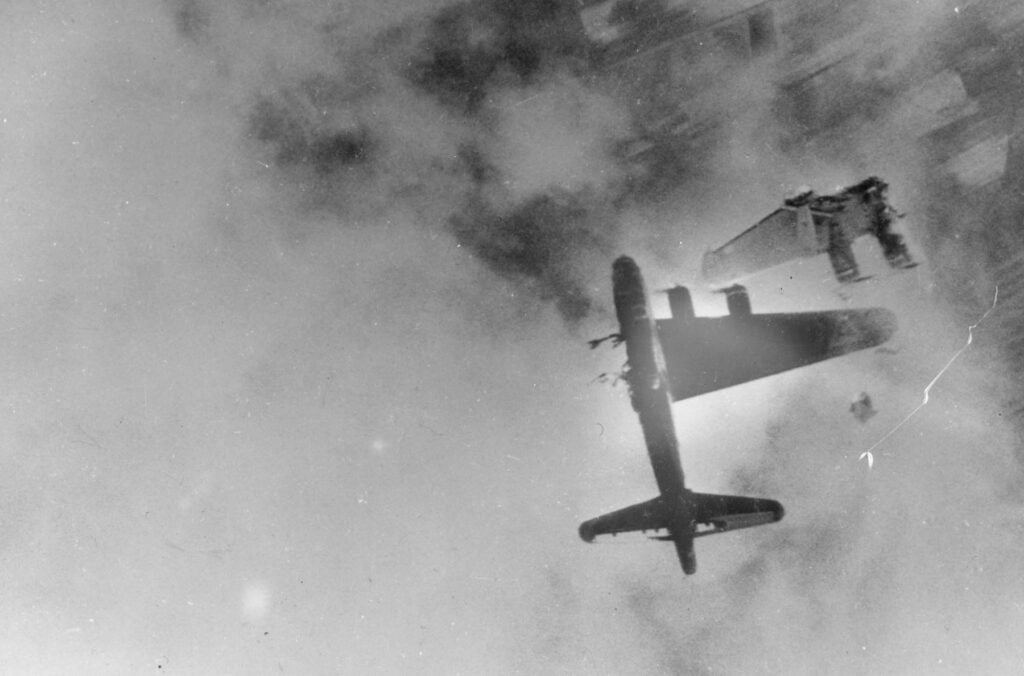
The bomber formation crossed the coast and moved to the target area. As the bomb run began, German anti-aircraft guns found their range. A burst of shrapnel struck the underside of the B-17. The impact was violent, and the crew felt the aircraft shake. Damage reports came in from each section. The ball turret was jammed, the fuselage was torn, and the hydraulic system was destroyed. The landing gear units were gone, leaving the aircraft able to fly but unable to land in the normal way.
Forced Choices Over Europe
The crew understood their choices. They could leave the aircraft over occupied land and risk capture, or try to ditch in cold water with little chance of survival. Lieutenant John “Lucky” Gorman decided to bring the bomber back to England. The long flight back across the channel forced the crew to reduce weight and manage fuel carefully. Ammunition and damaged parts were thrown out to help the aircraft stay in the air and improve the chances of a controlled landing.
As the aircraft neared the base, the tower prepared for a crash landing. Fire crews waited by the runway. A standard belly landing in a B-17 was dangerous. Without wheels, the aircraft would slide hard on the concrete, sending sparks into fuel vapor and risking a fire. The damaged ball turret added a greater hazard because it could break open the fuselage on contact. The aircraft looked like a flying trap with no easy way down.
A Ground Solution Under Pressure
On the ground, Master Sergeant James “Bud” Hazy studied the problem. He worked in the hangar and knew the equipment well. Nearby were long metal skids used for moving heavy items. Each skid was 12 feet long and only one inch thick. Hazy believed the skid could act like a narrow support under the damaged turret. If the B-17 landed directly on the skid, the metal could keep the aircraft’s center section from striking the runway and reduce friction until speed dropped.
With the bomber on final approach, Hazy and his team placed the skid on the runway centerline. There was no time to secure it. The idea depended on precise alignment and timing. Lieutenant Gorman brought the aircraft in with steady control, holding the nose up as long as possible. When the ball turret touched the skid, sparks flew across the tarmac. The aircraft slid forward with metal grinding loudly, but the skid held the aircraft level.
A Landing Built on Trust
The B-17 slowed until it settled on its belly without fire. After a long slide, the aircraft stopped in the middle of the runway. The crew escaped without serious injury. Gorman received the Distinguished Flying Cross for his control in the air. Hazy was awarded the Bronze Star for his action on the ground. The damaged B-17 later served as a station aircraft, a reminder of the day when a thin piece of metal and the actions of ordinary men kept ten airmen alive.