

The Story of the Pilot Who Shot Down a Plane—and Later Married the Nurse Who Was Onboard
Epic Acedemia Naruto Airplanes / YouTube
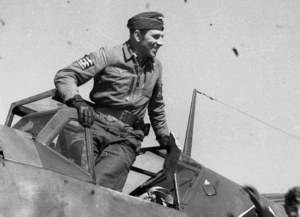
In February 1945, a U.S. P-51 Mustang pilot named Louis Edward Curdes made a decision few would understand. He fired on a U.S. transport plane to stop it from landing on a Japanese-held island. The transport carried several civilians, including nurses. The plane was forced to ditch at sea. All aboard survived. Curdes was later credited with the kill and — after the war — married a nurse who had been on that aircraft.
War in the Pacific and a Dangerous Mission
By 1944, Curdes had already flown many combat missions. He had gained victories over German, Italian, and Japanese aircraft — a rare “triple-axis” record.
In early February 1945, Curdes and his squadron were operating near the Philippine Islands. On February 10, they attacked a small Japanese airstrip on Batan Island. During the strike, one of Curdes’ wingmen was shot down and ditched into the sea. Curdes circled to mark the pilot’s position and to guide a rescue plane.
While covering that rescue who had bailed out, Curdes spotted a large twin-engine transport aircraft approaching the Japanese-held runway on Batan. The plane bore U.S. markings. Curdes tried radio contact, and flew in front of the transport to signal it away. The C-47 continued its course toward the island, apparently lost, out of fuel, with radio silent. Curdes decided he had no choice but to intervene.
A Risky Order: Engines Fired, Ditching Forced
Curdes aligned his Mustang carefully behind the transport. With a precise burst of .50-caliber fire, he disabled one engine. When the transport still pressed on, he fired again, destroying the second engine. The unarmed transport lost power and was forced to ditch in the sea. It settled into the water about 50 yards from a raft carrying the downed wingman. Nightfall and low fuel forced Curdes to return to base. The next morning he flew cover for a rescue seaplane that picked up all 12 passengers and crew, including two nurses. Everyone survived.
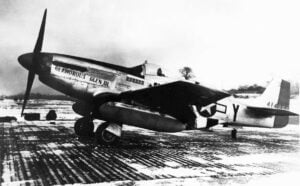
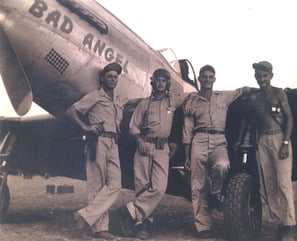
Curdes later received credit for the kill. On the side of his Mustang, “Bad Angel,” he painted an American flag among his other victory markings. This made him perhaps the only U.S. pilot in WWII to have an official kill recorded against a friendly aircraft.

War Story vs. Marriage Rumors
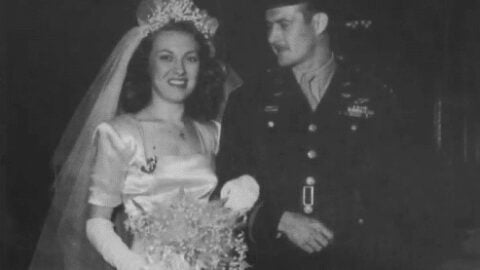
The story took another turn when the rescue manifest was reviewed. Curdes discovered that one nurse among the survivors was a woman with whom he had recently social contact. This detail led to repeated accounts that he had married the nurse from the C-47. Some versions of the story state they wed immediately after the war.
However, interviews with his descendant suggest a different truth. His daughter noted that her mother had not been the nurse from the ditching but someone he met later. The romantic version of the wartime rescue followed by marriage appears to stem from wartime gossip and retellings rather than verified fact.

A Unique Record in the Air War
Curdes’ act remains controversial, even extraordinary. He destroyed an American plane intentionally — to prevent its crew from capture. That risk and decision placed him in rare company. He also remained credited for kills against German, Italian, Japanese, and American aircraft, making him one of the few pilots in history with such a record.
His Mustang “Bad Angel” is still remembered among war-bird enthusiasts and in museum exhibits. The story highlights how the fog of war sometimes forces choices that defy standard rules, and how legends often grow up around acts meant to save lives, not make dramatic headlines.