Private Aircraft Associated With Houston Attorneys Crashes During Takeoff Amid Winter Storm
WMTW-TV / YouTube
The Crash and Immediate Response
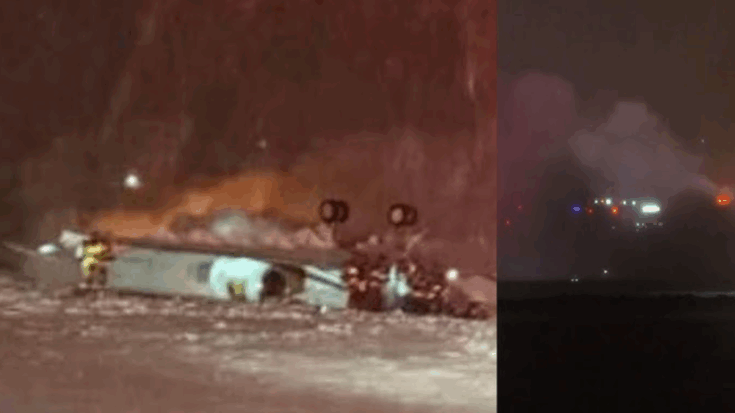
A private business jet crashed while attempting to take off from Bangor International Airport in Bangor, Maine, on Sunday evening, January 25, during a severe winter storm that affected much of the eastern United States. The aircraft involved was a Bombardier Challenger 600 series business jet, a twin‑engine aircraft often used for private and corporate travel.
The crash occurred at about 7:45 p.m. local time as the jet was beginning its departure roll. Air traffic control audio reported that the plane came to rest upside down on the runway shortly after takeoff and burst into flames. First responders arrived in less than one minute and worked at the scene while the airport was closed to other flights.
Conflicting Reports on Occupants
Early reports from the Federal Aviation Administration (FAA) suggested that the jet was carrying eight people, with seven passengers killed and one crew member surviving with serious injuries. This version was based on preliminary information in an FAA incident notice.
However, Bangor airport officials later clarified that the official flight manifest listed six people on board and that all were presumed to be deceased. Police and airport spokespeople said the identities of those on board would not be released publicly until positive identification was completed.
Weather and Conditions at the Time
The crash happened amid a major winter storm known as Winter Storm Fern, which brought snow, sleet, ice, and freezing temperatures to the region. The National Weather Service reported that Bangor and surrounding areas were under winter alerts, and while accumulation was still building, flights in the Northeast were heavily disrupted by the storm.
Investigators noted that snow and icy conditions can affect aircraft performance, especially during takeoff. Some experts say that ice on wings can reduce lift and that thorough deicing procedures are critical in such conditions. However, authorities have not yet confirmed whether weather was a factor in this crash.
Aircraft and Registration
The Bombardier Challenger 600 involved was registered to a company based in Houston, Texas, that shares an address with the private law firm Arnold & Itkin Trial Lawyers. It was reported that the jet had arrived in Bangor earlier in the afternoon from Houston, and was likely preparing for a longer flight, possibly to Europe.
The Challenger 600 is a wide‑bodied business jet designed for nine to eleven passengers and is known for its “walk‑about” cabin. It was first introduced in 1980 and remains a popular model for private and corporate flights, though it has a history of sensitivity to ice accumulation on wings during takeoff in cold weather if not properly deiced.
Ongoing Investigation and Official Response
The FAA and the National Transportation Safety Board (NTSB) have both opened investigations into the crash. Early information indicates that the aircraft crashed shortly after departure and experienced a post‑crash fire. The NTSB will lead the on‑site investigation, and it may take more than a year before a final report is published.
Airport officials said they will not release the names or details of those on board until positive identification has been completed. The airport remains closed for investigation and cleanup, and flight operations have been disrupted.
Community and Public Reaction
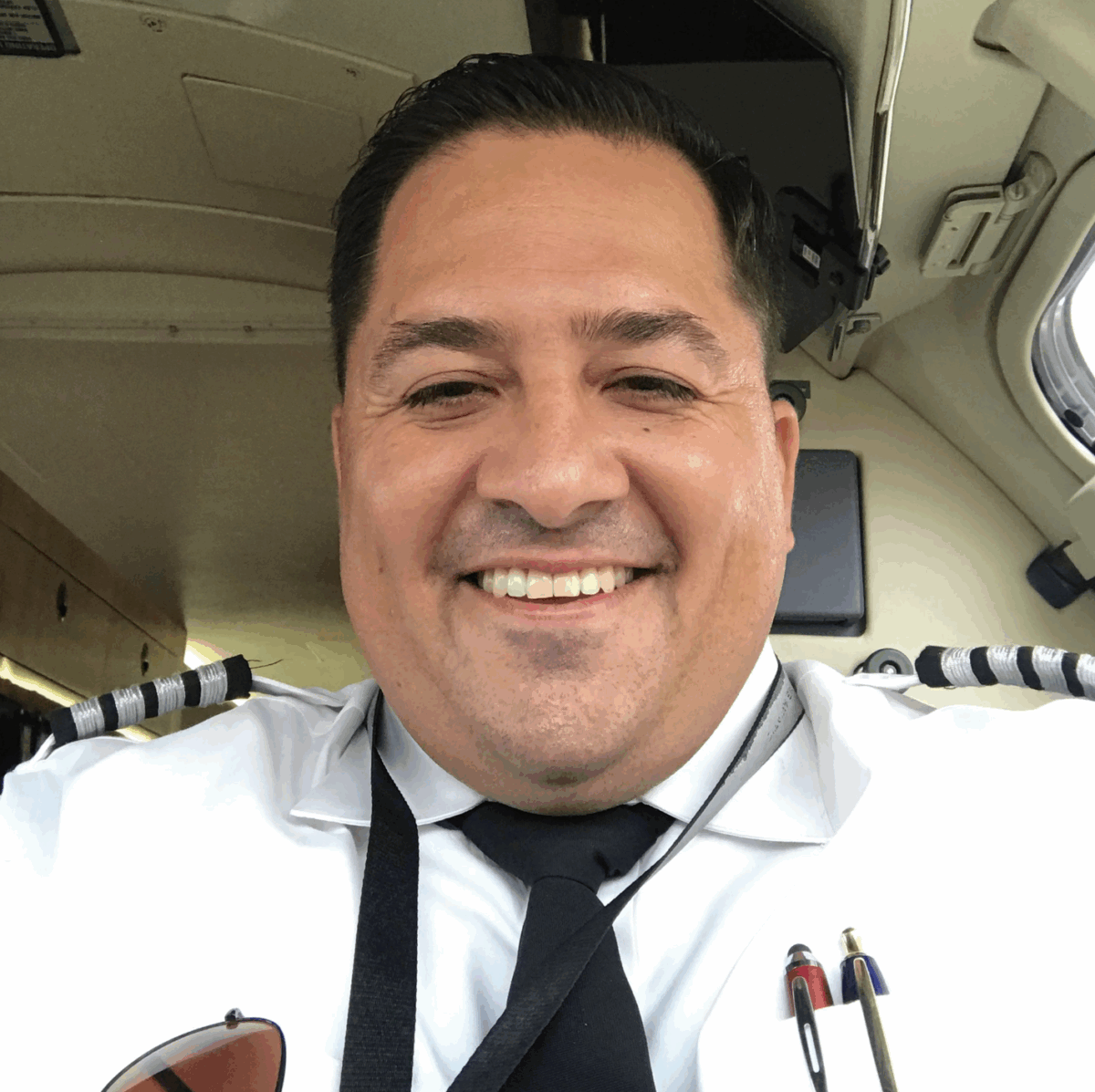
Local and national news outlets have reported tributes and expressions of grief for the victims and their families. Some preliminary naming of victims has appeared in early coverage, including the identification of a Houston‑based pilot and other passengers connected to the jet’s ownership, but officials have not confirmed details.
Audio captured from air traffic control and video from the scene show the seriousness of the impact and the response. Investigators are reviewing flight data and controller recordings as part of their effort to understand exactly what happened in the moments leading up to the crash.
As federal and local authorities continue to piece together information, the public is reminded that early reports often change as investigations proceed and more accurate records are developed by officials on site.