

Every Special Mission Aircraft the US Air Force Flies and What Each One Does
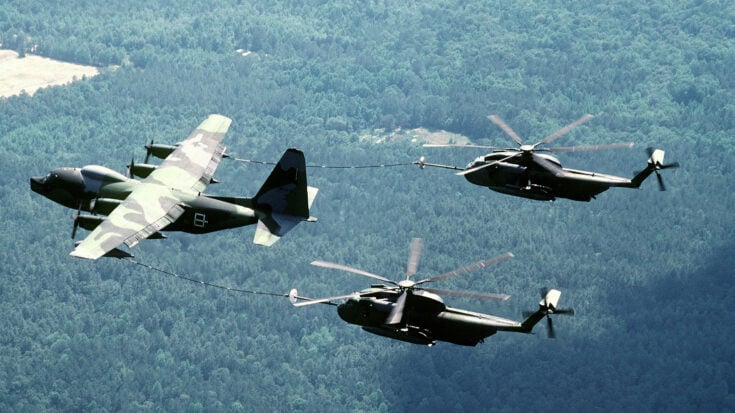
The US Air Force operates 167 special mission aircraft according to the 2026 FlightGlobal Report, representing over 27% of the active fleet across all US military divisions. These aircraft cover electronic warfare, airborne early warning, intelligence gathering, command and control, and search and rescue. Here is what each category does and which aircraft perform it.
Electronic Warfare
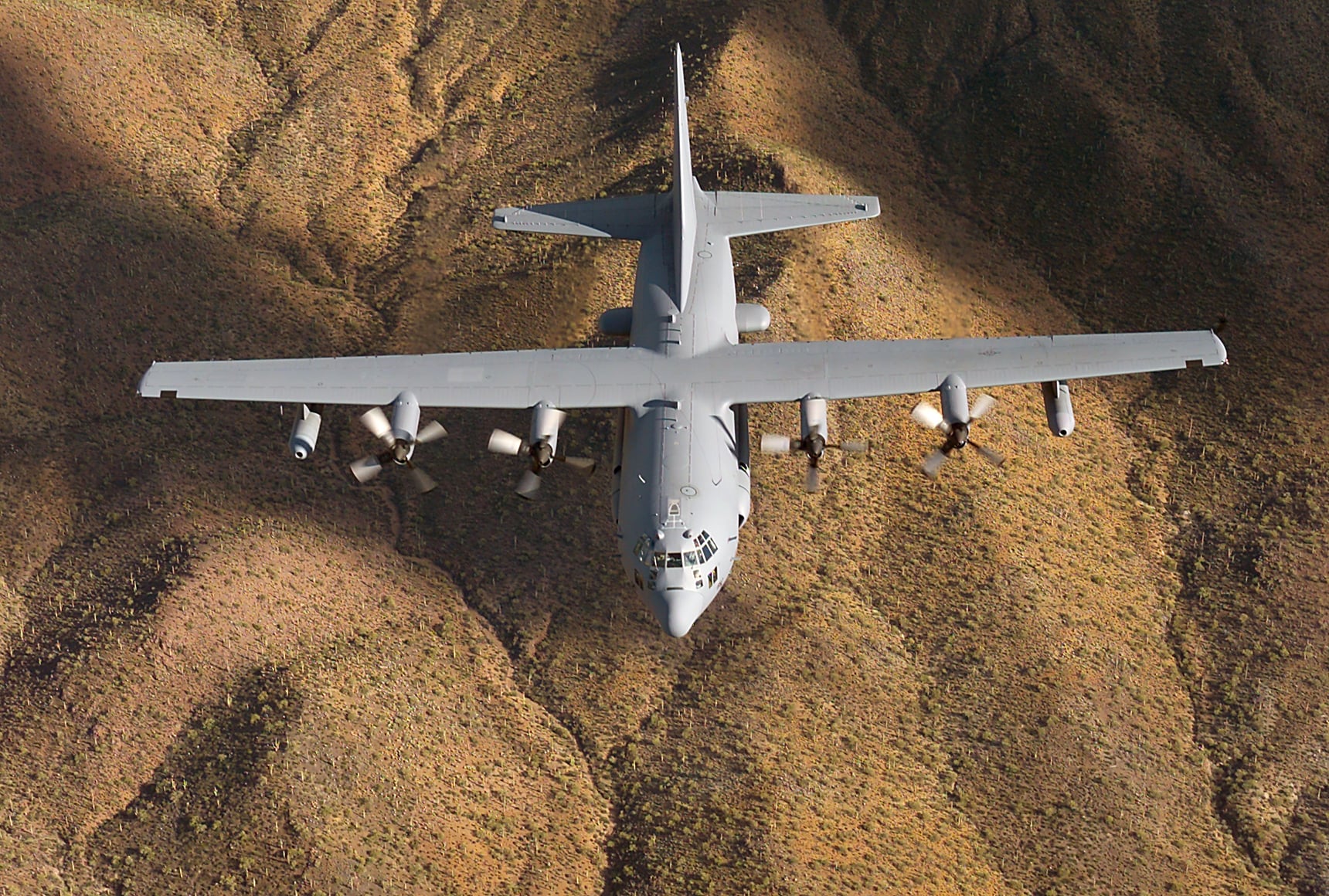
The EC-130H Compass Call is the Air Force’s primary dedicated electronic warfare aircraft, a modified C-130 Hercules with advanced electronic attack equipment integrated into its cargo compartment. Three remain active. The Air Force uses them alongside EA-18G Growlers and F-16s to suppress enemy air defenses and disrupt communications during combat operations.
The EA-37B Compass Call is the EC-130H’s replacement, based on the Gulfstream G550 platform and first delivered in August 2024. Five are currently active. The aircraft carries superior jamming capability against enemy radars, communications, and navigation systems and offers global deployability for special operations support.
Airborne Early Warning and Control
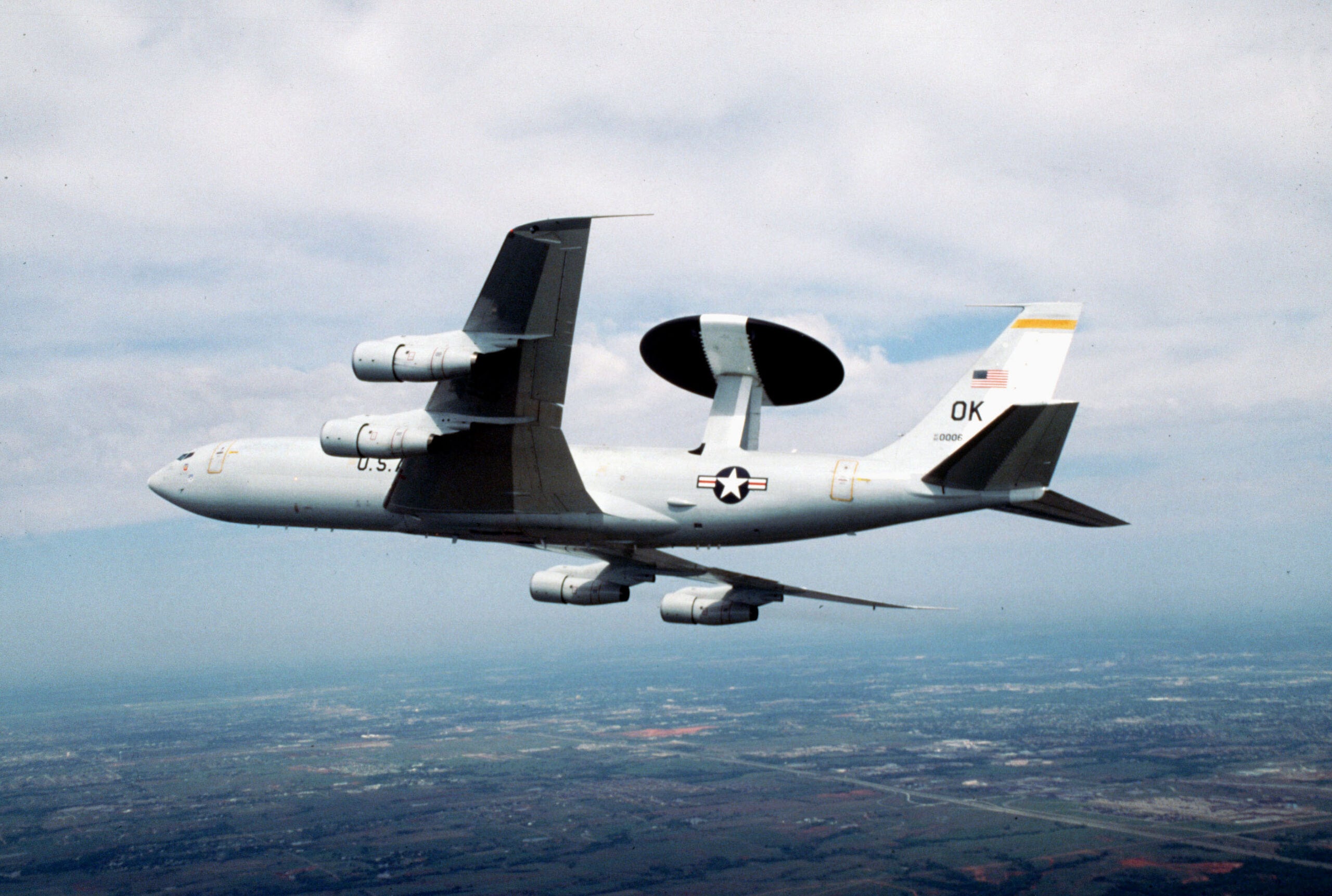
The E-3 Sentry, built on the Boeing 707 platform, carries the distinctive rotating radome above its fuselage and performs all-weather surveillance, battle management, and communications. The Air Force currently operates 17.
The E-3 was scheduled for replacement by the Boeing E-7A Wedgetail, but the Air Force terminated that program in June 2025 after costs rose from $588 million to $724 million per aircraft and survivability concerns in contested airspace made the platform’s future viability questionable. The Air Force is instead investing in space-based capabilities and additional E-2D Hawkeyes.
Intelligence, Surveillance, and Reconnaissance
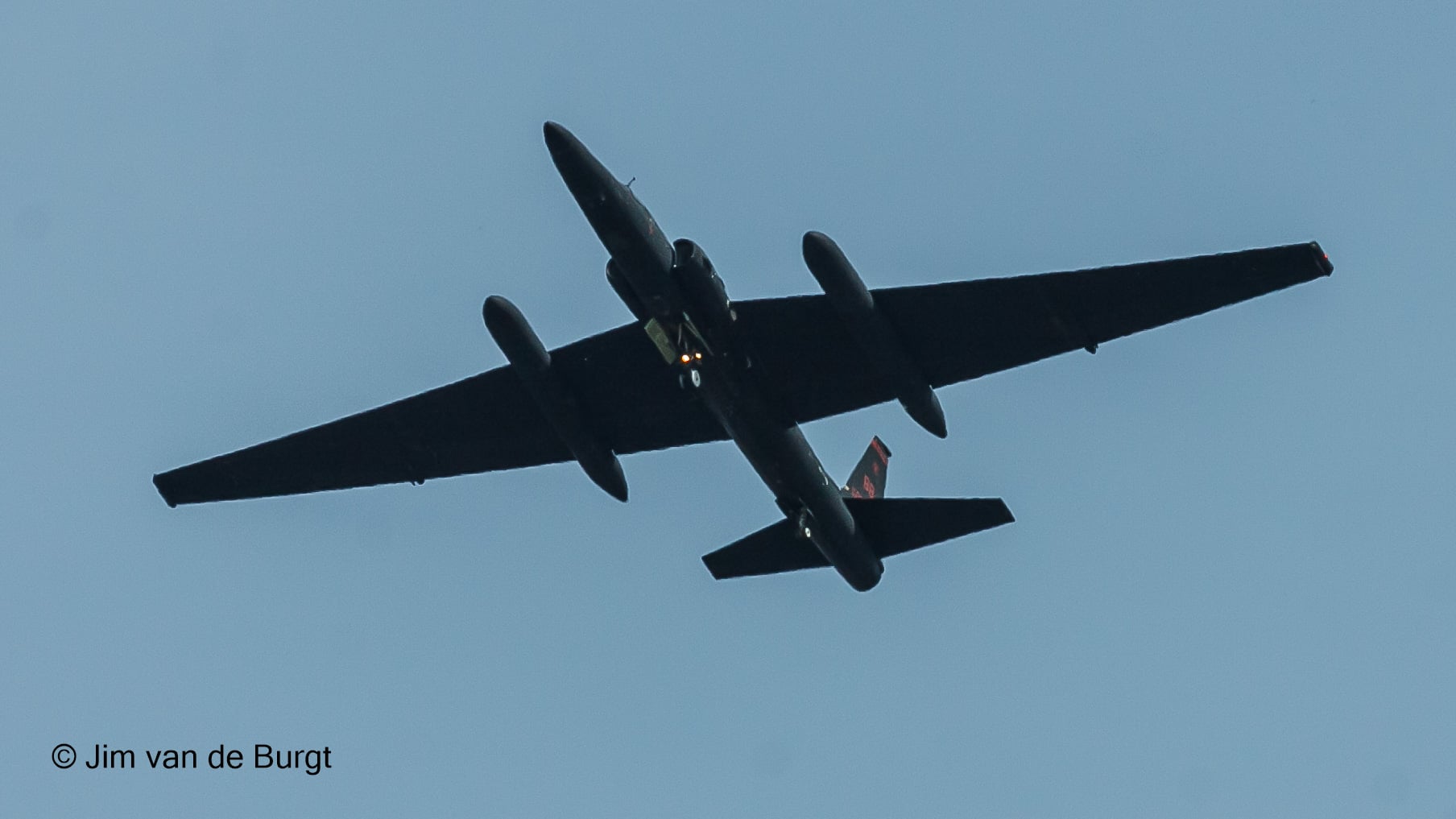
The U-2S Dragon Lady is the Air Force’s most recognizable ISR platform, a single-engine high-altitude aircraft that has operated since the 1950s. The Air Force maintains 25 in its current fleet. The U-2S collects intelligence at altitudes above 70,000 feet in all weather conditions and has supported missions from Cold War reconnaissance operations through Iraq and Afghanistan.
The RC-135 is a heavily modified C-135 Stratolifter powered by four CFM-56 engines that supports theater and national-level intelligence collection in near real time. Its advanced sensor suite detects, identifies, and geolocates signals across the electromagnetic spectrum. Up to 30 personnel can be accommodated including intelligence analysts, electronic warfare specialists, and in-flight maintenance crews.
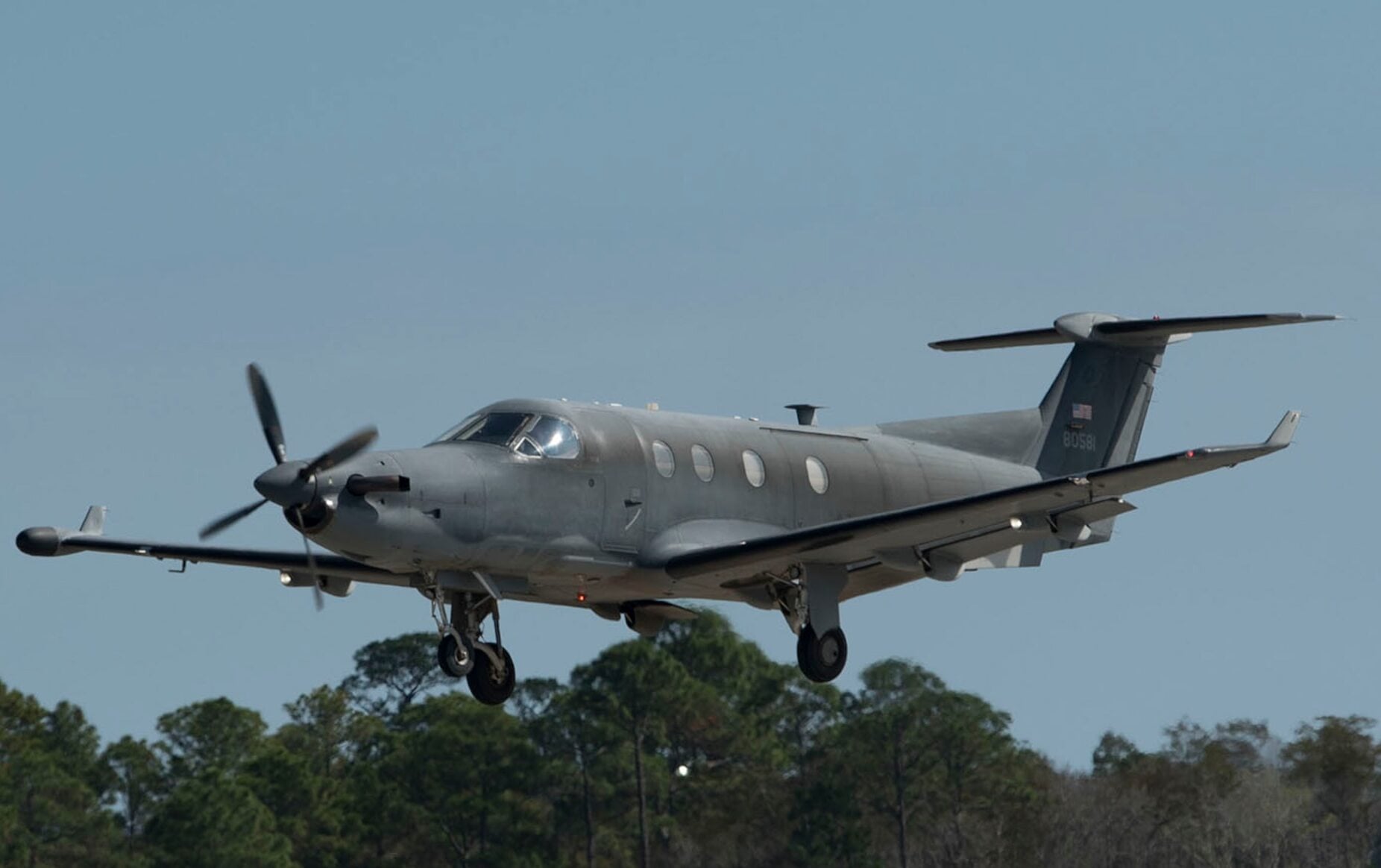
The U-28 Draco, operated exclusively by Air Force Special Operations Command, is a modified Pilatus PC-12 turboprop carrying advanced sensors and communications equipment. It provides real-time ground surveillance and supports close air support missions by giving friendly forces persistent overhead observation.
The E-9A Widget, based on the De Havilland Canada Dash 8, serves as a tactical surveillance platform primarily focused on ocean surface monitoring in the Gulf of Mexico. Eight are active. The aircraft carries an AN/APS-143 airborne sea surveillance radar capable of detecting objects up to 25 miles away, used to clear waters of civilian traffic during military exercises.
Airborne Command and Control
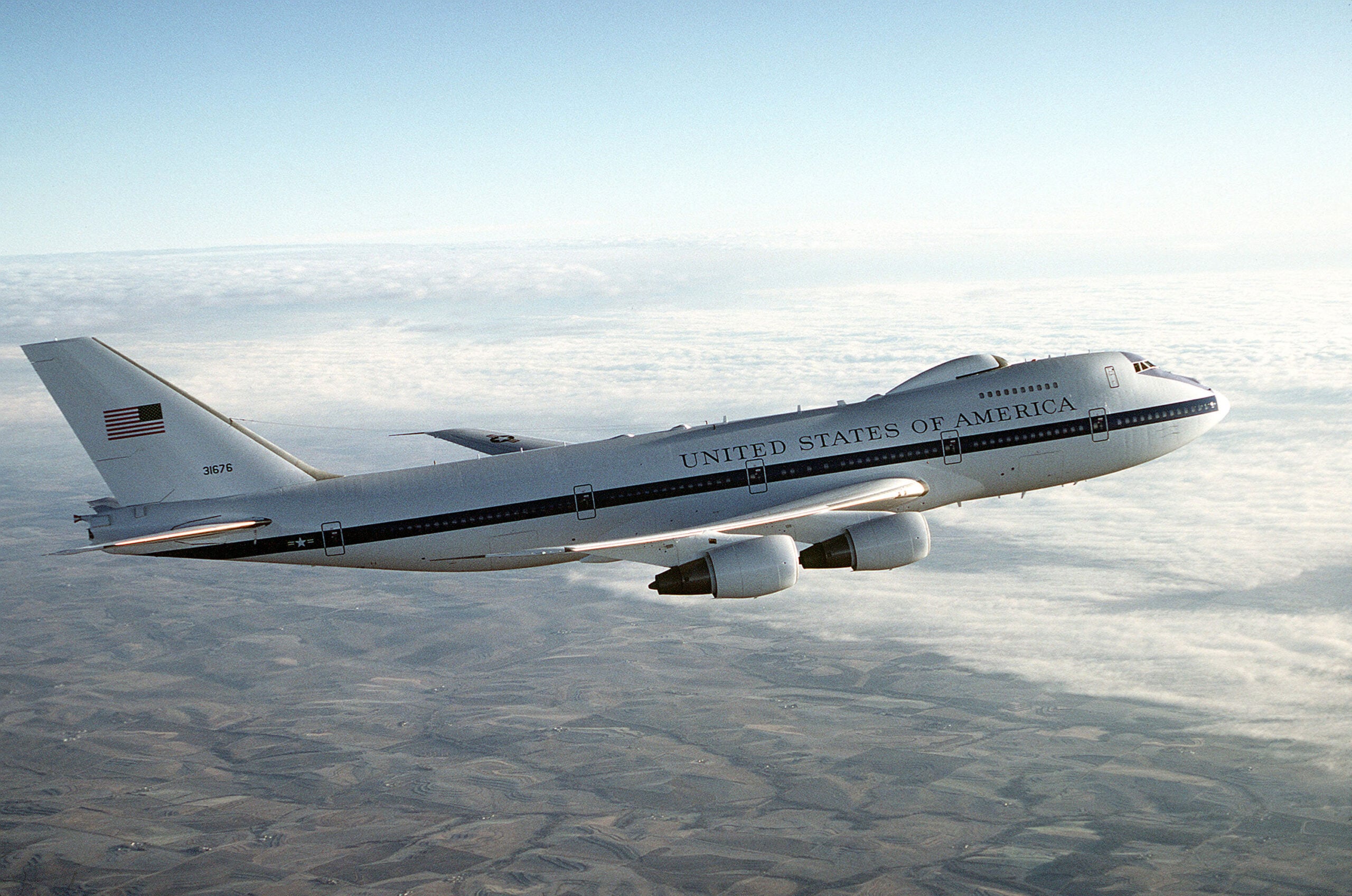
The E-4B Nightwatch operates as the National Airborne Operations Center, a heavily modified Boeing 747-200 designed to survive a nuclear exchange and maintain command authority without ground infrastructure. The aircraft shields against electromagnetic pulses and nuclear, thermal, and acoustic threats while carrying advanced radio and satellite communications for directing military forces and executing emergency war orders. At least one E-4B is maintained on alert around the clock every day of the year to support the President, Secretary of Defense, and Joint Chiefs.
The E-11A, based on the Bombardier Global Express, serves as the Battlefield Airborne Communications Node. It functions as an airborne relay and gateway system, maintaining real-time information flow between ground forces and command elements across the battlespace. The Air Force received its ninth example in September 2025.
Search and Rescue
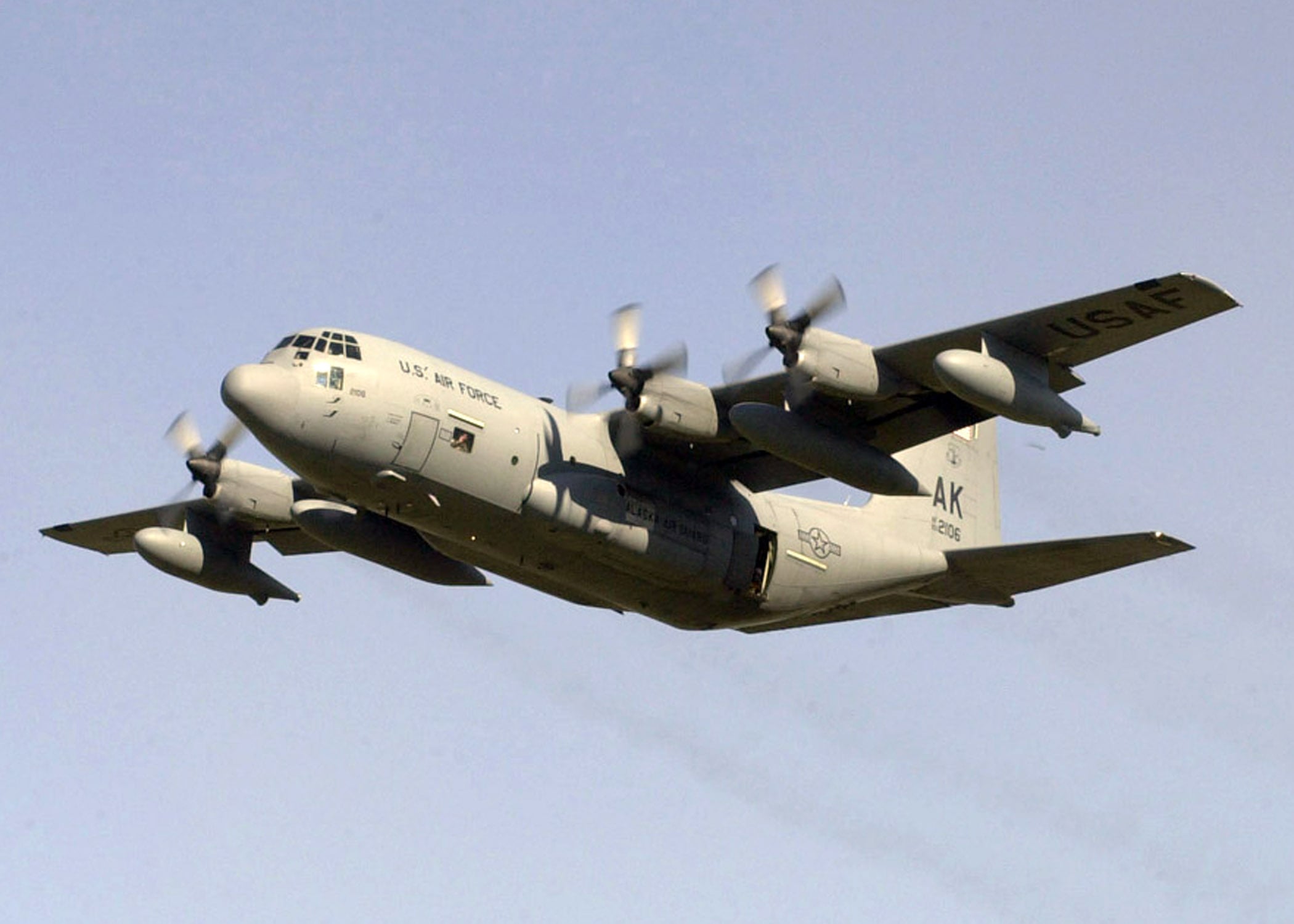
The HC-130 Combat King series, derived from the C-130 Hercules, is the Air Force’s only dedicated fixed-wing search and rescue platform. Two variants are operated: the HC-130P Combat King and the HC-130J Combat King II. The J model is flown by Air Combat Command and specializes in low-observable tactical profiles and personnel recovery in austere environments. Air Education and Training Command also operates HC-130Js for crew training.






