
The Rarest and Most Unusual Kill Markings Seen Across WWII Aircraft
TJ3 History / YouTube
During World War II, combat aircraft often carried painted symbols showing missions and victories. These markings helped crews track their work and showed others what an aircraft had done in combat. Each symbol had a clear meaning, and many were understood across different units. Some were common, while others were rare and created only in a few groups. These symbols can still be seen in wartime photos and help historians understand the daily work of aircrews.
Bombing Mission Symbols
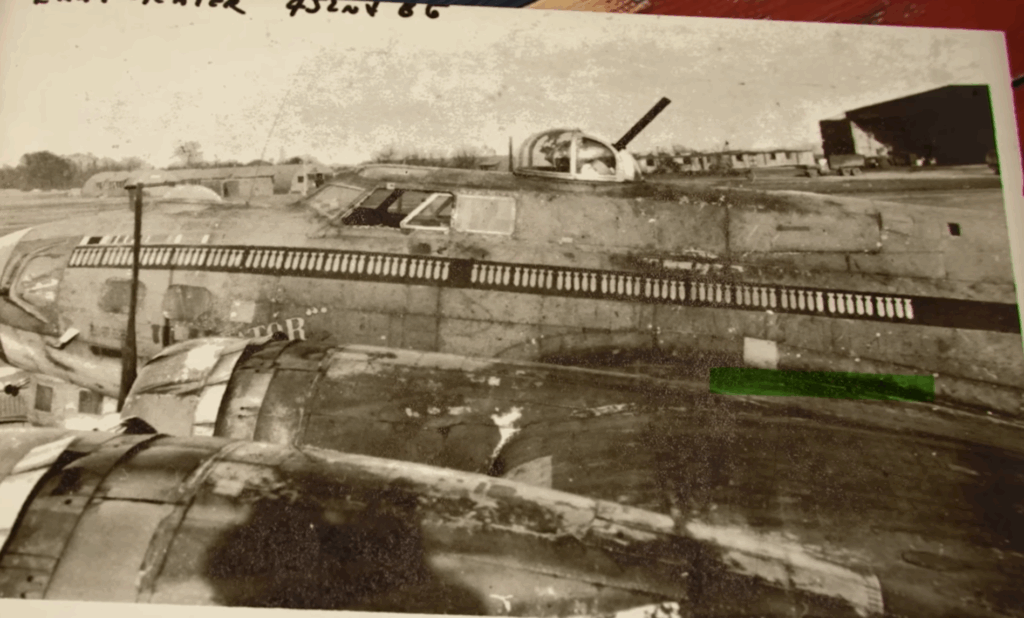
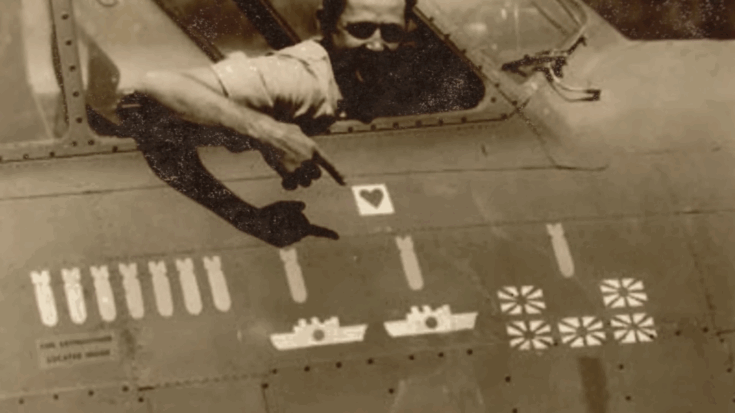
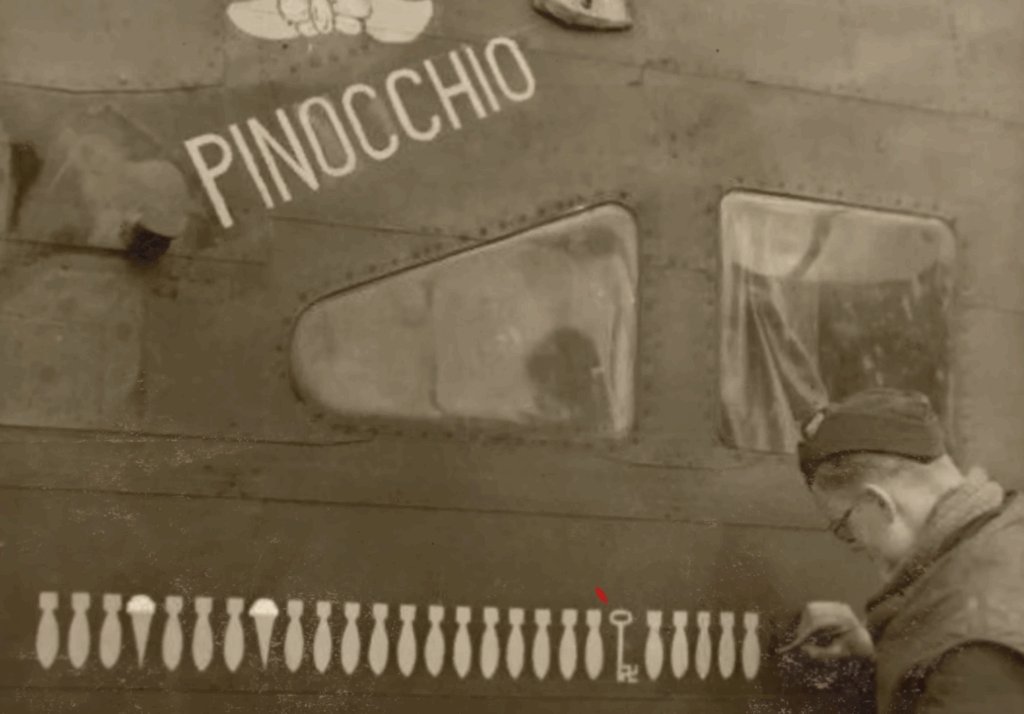
The most common symbols were seen on bombers and showed completed missions. A simple bomb shape marked one mission. Some aircraft had a star on or above the bomb to show the crew led the mission. In rare cases, the name of the city targeted was painted inside the bomb. A heart could also be added to show a crew member was wounded in action during that mission. These symbols were meaningful to the crews who flew under heavy risk.
A special symbol used mostly by the Royal Air Force was the ice cream cone. It marked a bombing mission to Italy. Before the war, people in Britain often linked ice cream shops with Italian owners, so the symbol became a simple way to show the target area. One Halifax bomber named Pinocchio even showed a strange mark in its tally for a mission date. Its meaning remains unclear, and some historians still search for the answer.
Unusual Mission Markings
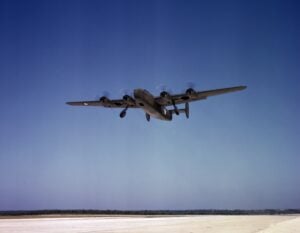
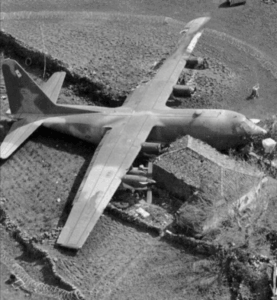
Transport aircraft also painted their own symbols. A simple mark could show a cargo or troop drop. Crews flying in the China–Burma–India theater sometimes painted a mountain symbol to show they flew over the Himalayan route known as “the Hump.” The flight was dangerous due to weather, height, and limited navigation aids. These symbols showed the risk of flying supplies over the mountains.
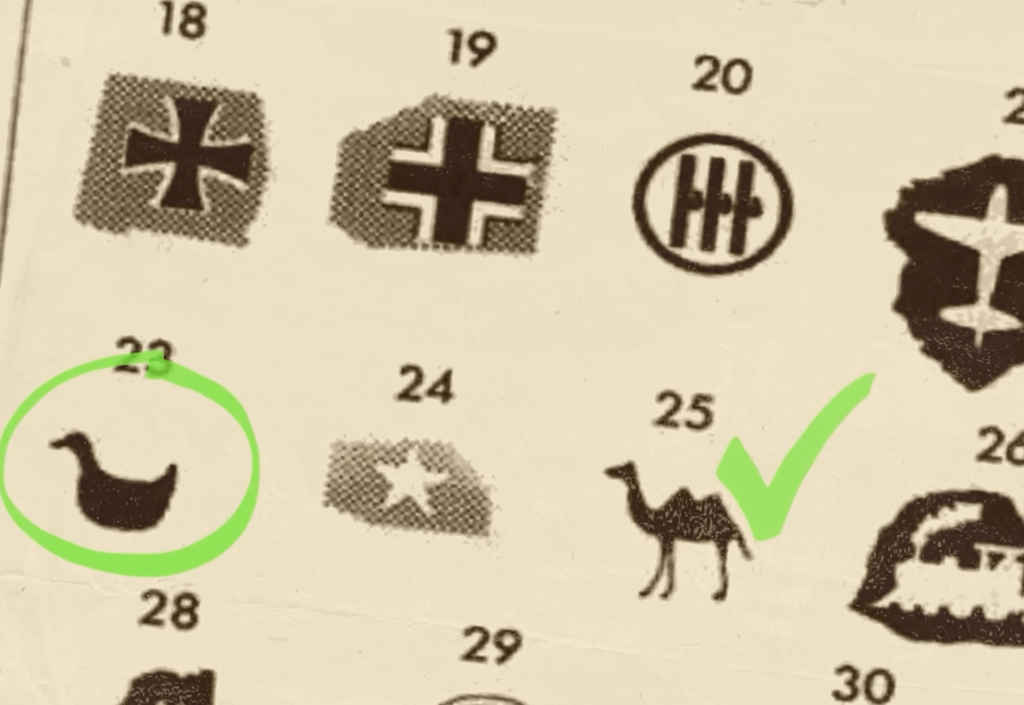
A duck painted on the aircraft could show a decoy mission. These missions were meant to draw German fighters away from the real attack group. While less dangerous than a bombing run, the aircraft could still face danger. Some groups liked adding the duck symbol because it showed the aircraft played a part in the wider plan. These markings help explain the many tasks aircraft took on beyond bombing.
Symbols for Destroyed Ships and Aircraft
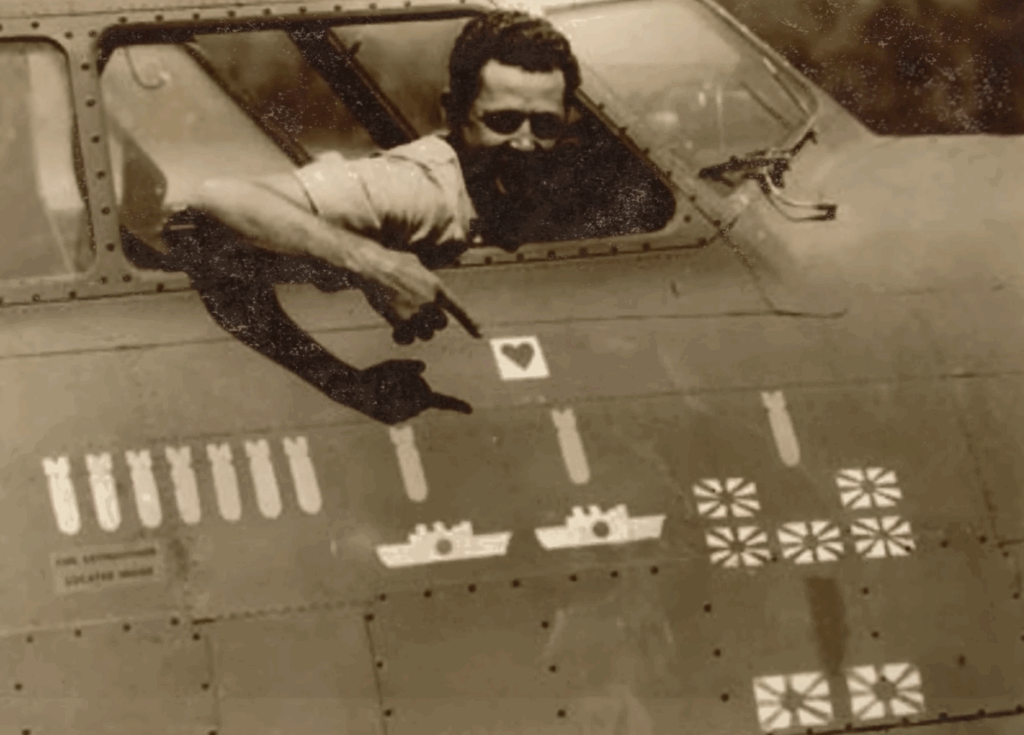
Dive bombers or torpedo aircraft sometimes painted the shape of a sinking ship to show a confirmed hit. These are rare marks because proving a ship was destroyed was difficult during fighting. One bomber example shows several ship shapes, which tells us the crew likely operated over the sea for long periods.
Fighter aircraft painted symbols for air-to-air victories. A small round symbol or flag showed one destroyed aircraft in combat. Sometimes crews painted only a cross shape to show the same thing. Bombers could also show these marks to note a gunner’s success. One rare style came from the 56th Fighter Group, where red crosses showed aircraft destroyed on the ground and white crosses showed ones destroyed in the air. This helped record how the pilot earned credit.
Other Mission Types
Some pilots painted the shape of an enemy aircraft itself, with one engine or two, to show what they destroyed. This style was often seen in the Pacific. The Navy and Marine air arms did not allow much painting on aircraft, so markings were less common. Pilots usually flew whatever aircraft was ready that day, making tally marks hard to track. Still, symbols for fighter aces were sometimes approved and used for morale.
American fighter groups in Europe also used small symbols for mission types. A broom painted on the aircraft showed the pilot took part in a fighter sweep. An umbrella showed the pilot flew top cover for other groups. A top hat and cane showed a successful escort mission. While not all units used these, many photos show these symbols under the cockpit. Some markings remain unknown, like five walking figures painted on a P-51 called Atlanta Peach, which historians still try to explain.