How Saburō Sakai Survived a Shot to the Eye and Piloted His Plane 560 Miles Back
WW2 Revisited / YouTube
Early Life and Rise to the Skies
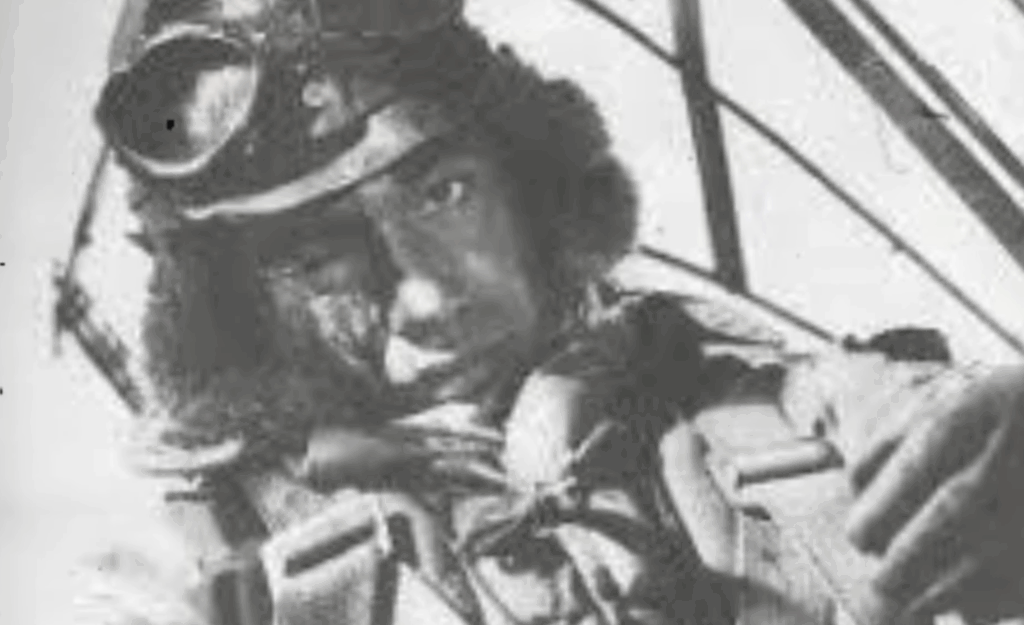
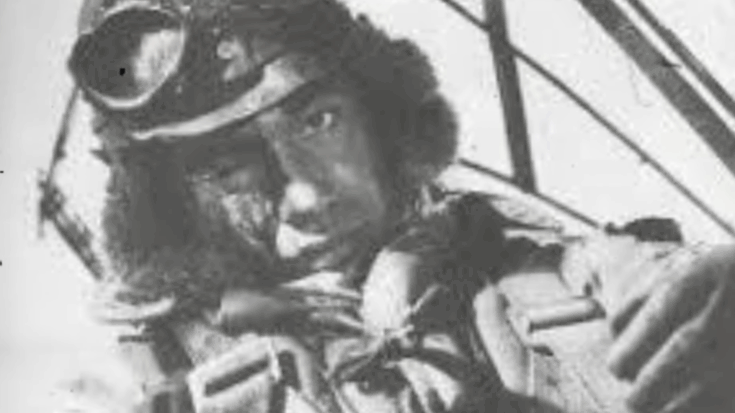
Saburō Sakai was just a boy from Saga Prefecture when he first dreamed of flying. Born into a life of limited opportunity, he watched naval parades at sixteen and decided he would rise into the ranks of Japan’s elite pilots. Twice rejected by the Naval Academy, Sakai refused to quit. He trained harder than anyone else, memorized manuals, and enlisted as an ordinary sailor. Over time, he earned his place in flight school. Instructors recognized his talent but also his rebellious streak. Sakai was fiercely competitive, mastering the skills necessary to survive in combat. Each test he retook and every skill he honed prepared him for the cockpit that would later become both his home and battlefield.
By the time he climbed into his Mitsubishi A6M Zero on a morning south of Rabaul, he was already a decorated ace. The Zero, numbered 343, was more than an aircraft to him—it was an extension of his body. As the propeller spun, Sakai’s squadron formed up behind him, sleek silhouettes cutting through the sunrise. Below, the ocean shimmered like metal. Ahead lay New Guinea, where Allied forces were strengthening. Orders came swiftly: engage the enemy. Sakai’s mind sharpened with focus. He dove into combat, chasing Douglas SBD Dauntless bombers escorted by fighters, relying on instincts that had been forged through years of training and battle.
The Attack and the Critical Wound
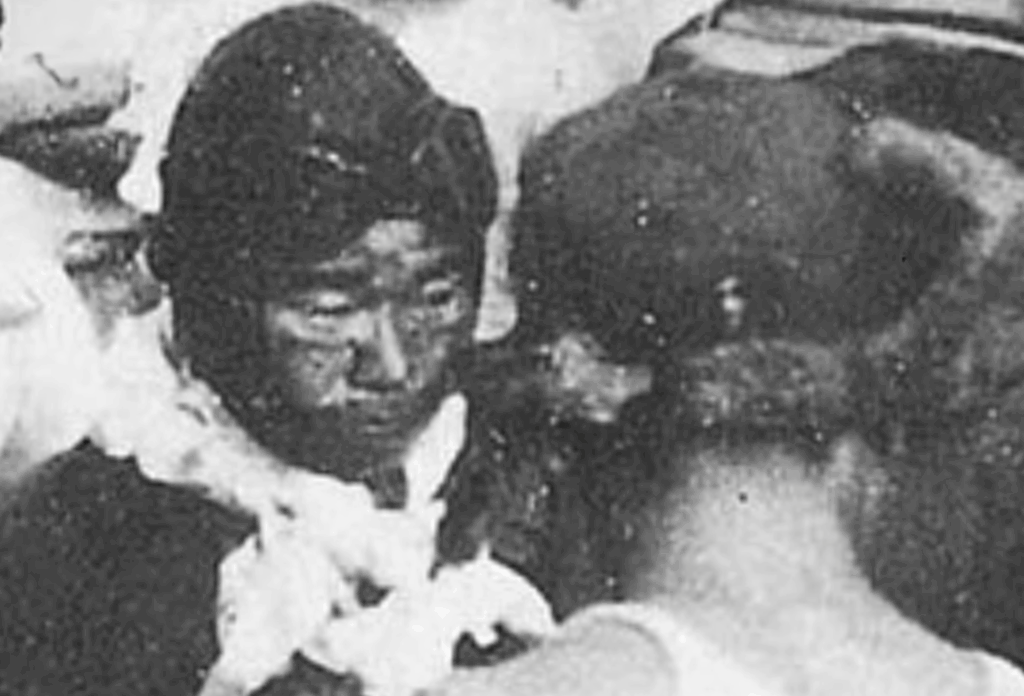
As Sakai approached Henderson Field near Guadalcanal, he spotted enemy bombers. Calm and steady, they appeared easy prey. He lined up his target and fired, expecting a quick kill. The situation turned deadly in seconds. The bombers were prepared, equipped with rear gunners, and hidden behind a screen of American F4F Wildcats. Bullets tore into his cockpit. A 30-caliber round struck Sakai’s right eye, instantly blinding him and filling the cockpit with blood. His Zero pitched violently, diving toward the ocean. His left arm was paralyzed, and his right hand trembled as he fought for control. Shock and pain threatened to overwhelm him, but Sakai refused to surrender.
With remarkable determination, he pulled the Zero level, relying on sheer instinct and training. Blood poured over his uniform, his vision reduced to a red haze. The radio was destroyed, leaving him isolated. He focused on keeping the aircraft stable, pushing through the pain, and following the coastline of New Britain as a blind man might trace a wall. Every moment was a test of endurance and concentration, with fuel running low and the engine sputtering under stress. Hours passed as he maneuvered the damaged plane, keeping hope alive for the faint outline of Rabaul airfield to appear through the haze.
Return and Recovery
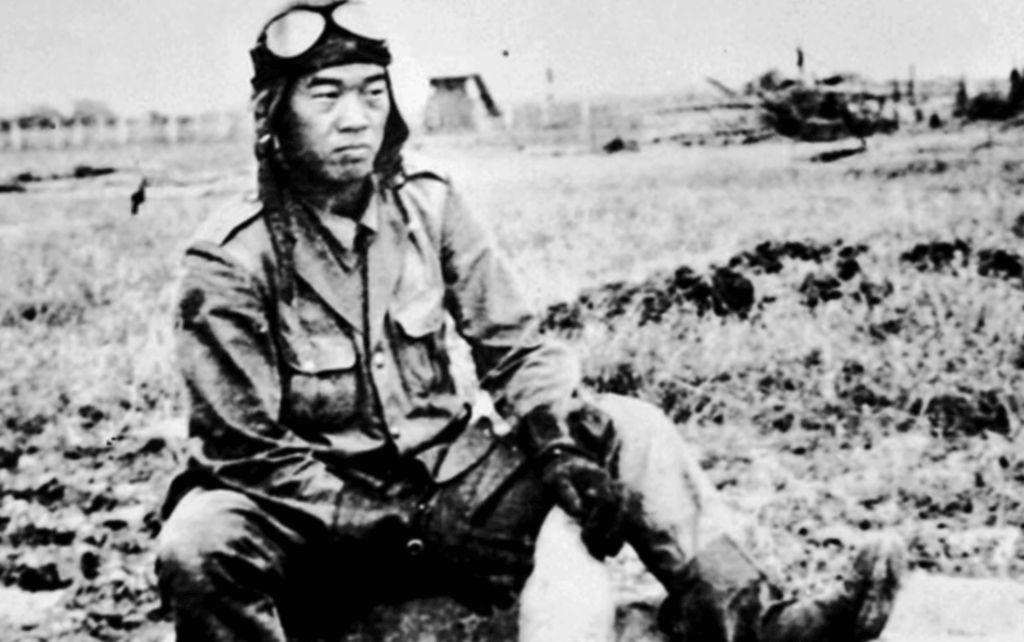
When Sakai finally reached Rabaul, the landing was violent. The Zero hit the runway hard, bounced, skidded, and nearly cartwheeled, but somehow remained upright. Ground crew rushed to the cockpit, finding him barely conscious but alive. Recovery was long and painful. Months passed before he could stand properly, yet Sakai refused to remain grounded. Adapting to one-eye flight, he trained to rely on instruments and developed new skills to adjust for depth perception loss. Many doubted he could fly again, but by 1944 he returned to combat. His resilience allowed him to continue flying in a war where Japan was increasingly on the defensive. Despite limited fuel, aging aircraft, and superior enemy fighters, Sakai’s instincts kept him alive and effective.
Even after the war ended, Sakai’s life remained remarkable. He survived poverty, rebuilt a life in aviation as an instructor, and later traveled to meet former American adversaries. He sought reconciliation, offering apologies to families affected by the war. He spoke quietly of perseverance, saying, “Never give up. Not in life, not in the sky.” Sakai passed away in 2000 at 84, not in battle but in peace. His survival after losing an eye, flying hundreds of miles wounded, and returning to combat remains one of the most astonishing stories in aviation history, a testament to skill, courage, and relentless determination.