

How USAAF defeated the Luftwaffe
YouTube / Imperial War Museums
The B-17 Flying Fortress was meant to be a war-winning weapon- a symbol of American air power that would break Nazi Germany from the skies. But by the end of 1943, that promise lay in ruins.
High above Europe, the US 8th Air Force was being torn apart. German flak filled the air with steel. Fighters struck with deadly precision. Hundreds of B-17s were lost as bold strategic bombing theories collided with the brutal reality of modern air war.
Something had to change, or the air offensive would fail. Just one year later, the situation was unrecognisable. The 8th Air Force dominated the skies over Europe, delivering a crushing blow to the German Luftwaffe and reshaping the course of the war. So what changed?IWM Curator Dr. Hattie Hearn explores the leadership decisions, tactical innovations, and technological breakthroughs that transformed the air war over Nazi-occupied Europe and turned near disaster into victory.
The Crisis of 1943
The core idea behind American daylight bombing rested on precision and mutual defense. Tight bomber formations, it was believed, could protect themselves long enough to reach their targets and return home. In practice, German defenses proved far more lethal than anticipated.
Anti-aircraft guns filled the skies with steel, tearing apart bombers before they even reached their objectives. Meanwhile, the Luftwaffe refined its tactics, using head-on attacks and massed fighter formations to devastating effect. Raids such as Schweinfurt–Regensburg exposed the vulnerability of unescorted bombers. Hundreds of B-17s were lost, along with thousands of trained aircrew. Morale wavered, and the very viability of the daylight bombing campaign came into question.
Leadership Under Pressure
At the heart of the turnaround were difficult leadership decisions. Commanders within the Eighth Air Force recognized that persistence alone would not win the air war. Doctrine had to adapt, even if it meant challenging long-held assumptions.
Rather than retreating from daylight bombing, Allied leaders doubled down- accepting short-term losses in pursuit of long-term air superiority. This determination forced rapid innovation and accelerated changes in tactics, training, and equipment. The goal shifted from simply bombing targets to actively destroying the German Luftwaffe itself.
Tactical Innovation in the Skies
One of the most important changes came in how air battles were fought. Bomber formations were refined to improve defensive fire, while mission planning became more flexible and intelligence-driven. Crews learned how to respond to evolving German tactics, reducing vulnerability to head-on and coordinated attacks.
At the same time, American fighters were unleashed with greater freedom. Rather than remaining tethered to bomber formations, they were encouraged to seek out and engage enemy aircraft aggressively. This offensive mindset transformed fighter escort from a passive shield into a lethal weapon.
Technology Turns the Tide
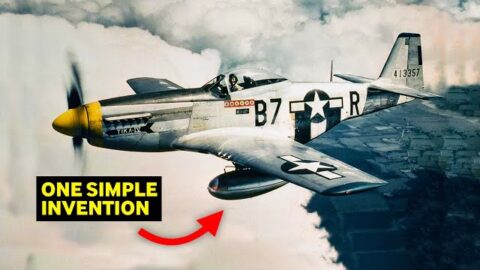
Technological breakthroughs proved decisive. The arrival of long-range escort fighters- most famously the P-51 Mustang- changed everything. For the first time, American bombers could be protected all the way to targets deep inside Germany and back again.
Advances in navigation, radar, and aircraft performance also improved bombing accuracy and survivability. German fighters now faced heavily defended bomber streams backed by fast, hard-hitting escorts that could challenge them on equal terms. Losses mounted on the German side, and experienced Luftwaffe pilots became increasingly difficult to replace.
Air Superiority and Victory
By 1944, the transformation was unmistakable. The Eighth Air Force no longer fought for survival- it dominated the skies. The Luftwaffe was systematically worn down, its pilots destroyed in combat or grounded by fuel shortages and constant pressure.
This air superiority proved decisive. With German defenses crippled, Allied bombers could operate more freely, paving the way for the Normandy landings and the final advance into Germany. What had once been a near disaster became one of the most significant Allied successes of the war.
The story of the B-17 and the Eighth Air Force is not one of flawless design or easy victory. It is a story of adaptation under fire – of leadership, innovation, and hard-earned lessons learned at a terrible cost.







