MQ-25 Stingray Finally Takes Flight
After years of delays, testing setbacks, and growing questions about the future of carrier aviation, the U.S. Navy’s MQ-25 Stingray has finally cleared a major hurdle.
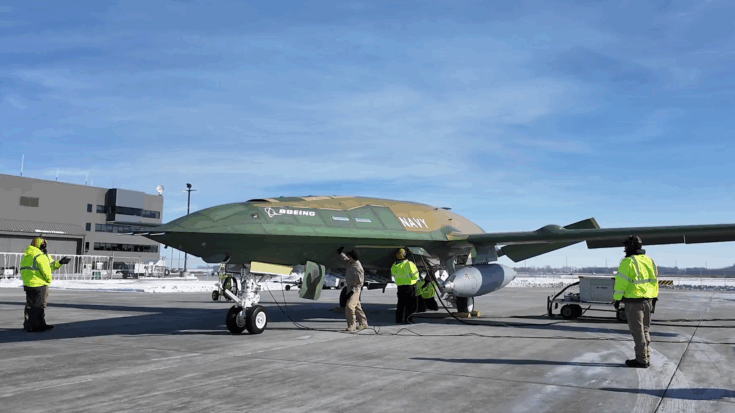
On April 25, 2026, the first production-representative MQ-25 completed its maiden flight from MidAmerica St. Louis Airport in Illinois, marking a major step toward fielding the Navy’s first operational carrier-based unmanned aircraft. The flight lasted only a short time, but its significance extends far beyond a single test sortie.
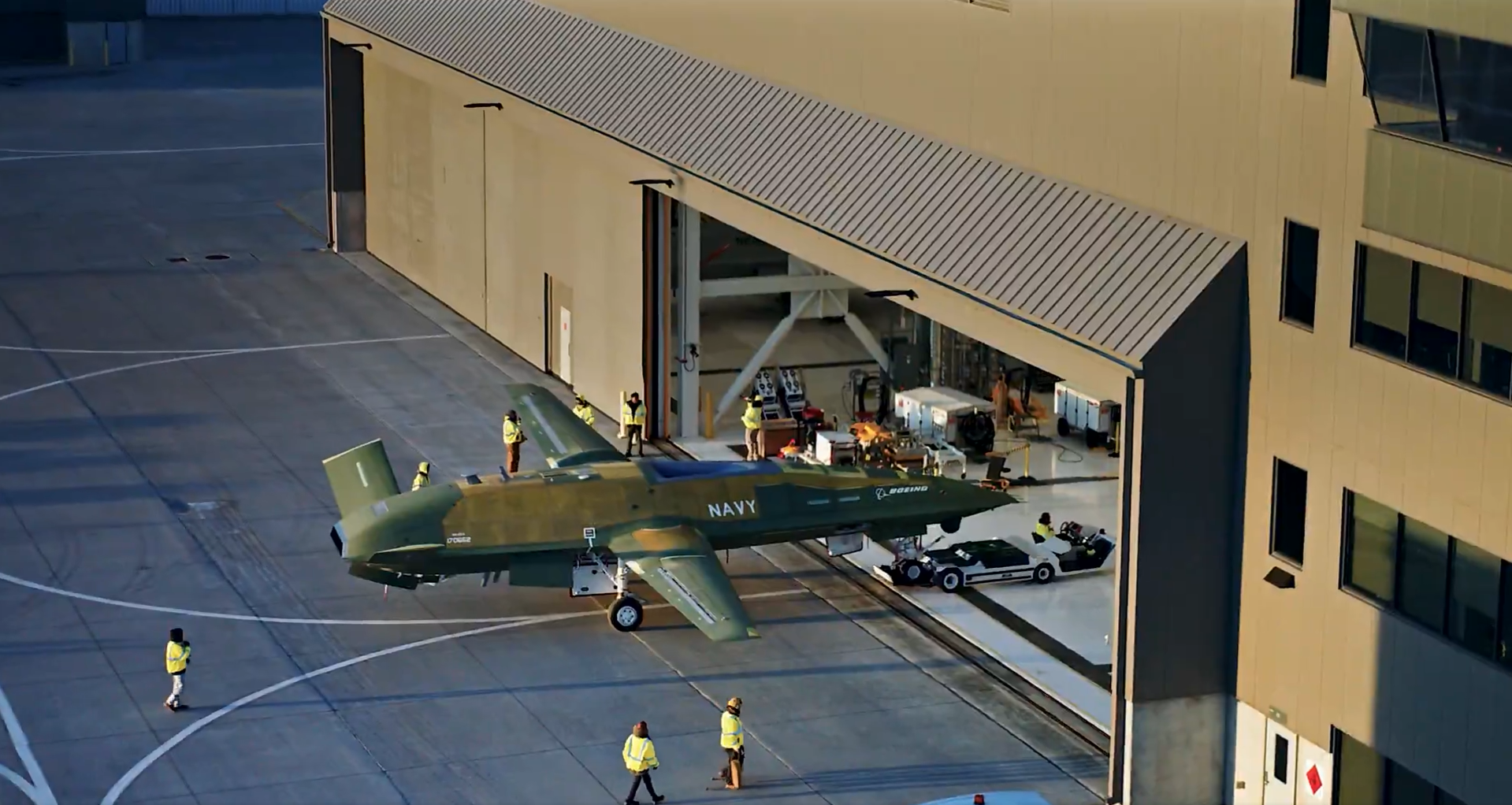
This aircraft is expected to fundamentally change how American carriers operate.
Built to Solve a Costly Problem
The MQ-25’s primary mission is aerial refueling. That may sound routine, but it addresses a major strain inside carrier air wings.
For years, Navy F/A-18E/F Super Hornets have been used as “buddy tankers,” carrying fuel pods to refuel other aircraft. That mission consumes a significant portion of the fleet’s available flight hours. In some carrier deployments, roughly one-third of Super Hornet sorties have been dedicated to tanker operations instead of combat missions.
The MQ-25 is designed to fix that.
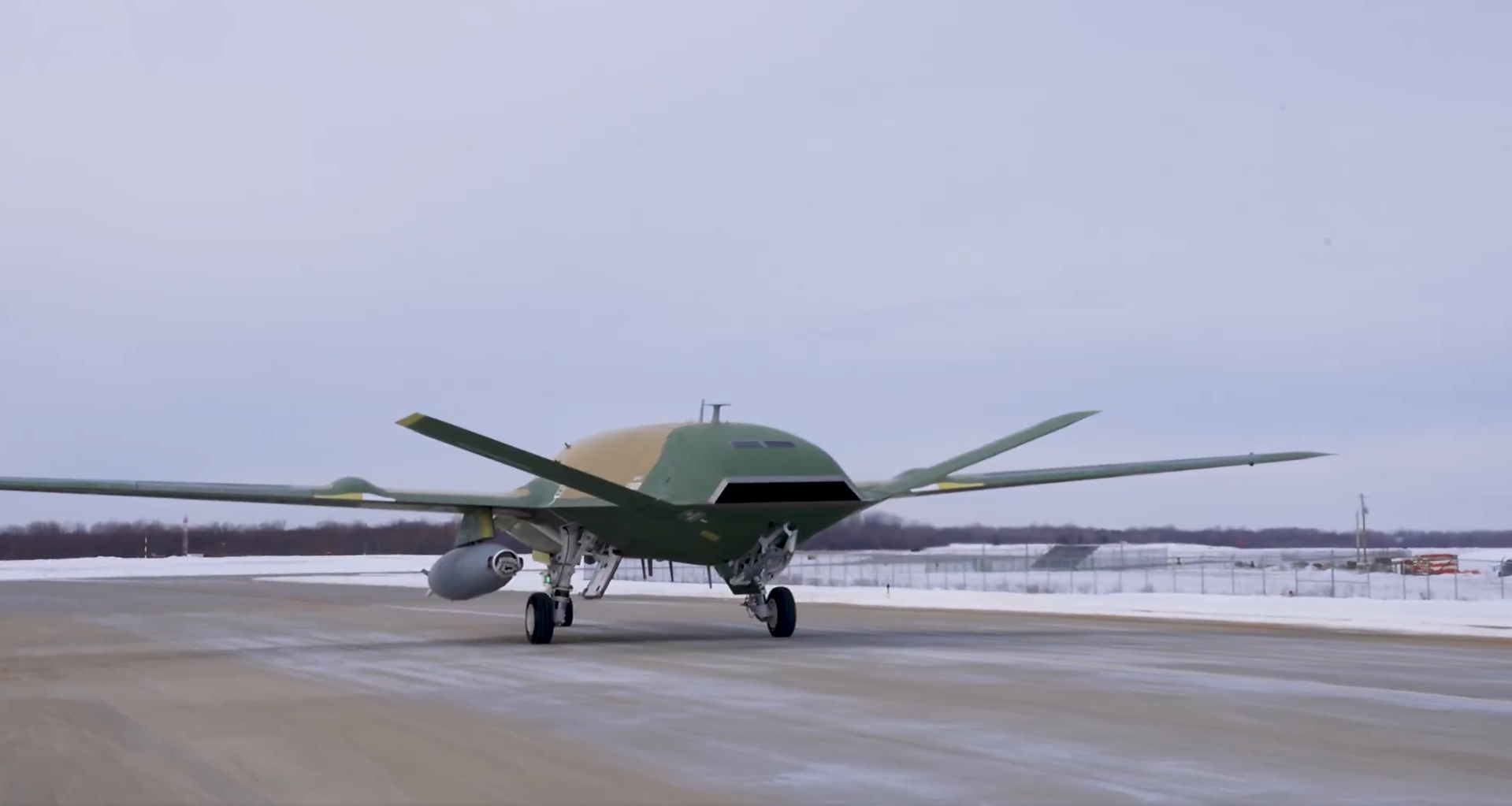
Using the same Cobham refueling pod carried by Super Hornets, the Stingray is expected to deliver between 14,000 and 16,000 pounds of fuel at distances up to 500 nautical miles from the carrier. That gives strike aircraft more range while freeing manned fighters for combat missions.
More Than Just a Flying Gas Station
The Stingray is also becoming a testbed for future carrier drone operations.
The new production aircraft includes upgrades over Boeing’s earlier T1 demonstrator, including a retractable electro-optical and infrared sensor turret. Future intelligence, surveillance, and reconnaissance missions remain part of the aircraft’s long-term roadmap.
More importantly, the Navy views the MQ-25 as the first step toward integrating larger numbers of unmanned aircraft into carrier air wings. Officials have repeatedly described it as a bridge toward future manned-unmanned teaming operations.
The first operational MQ-25A Stingray™ for the @USNavy has successfully completed its first taxi test.
At the push of a button from Air Vehicle Pilots the Stingray autonomously taxied and executed a series of maneuvers to validate its functionality. pic.twitter.com/bNHGKIYsPa
— Boeing Defense (@BoeingDefense) January 30, 2026
Recent tests have already demonstrated that F/A-18 pilots can control the drone during refueling missions.