

The TBM Avenger Pilot Who Defied Orders and Kept Attacking the IJN Yamato at the Battle off Samar
via thereliablenarrator / YouTube
The Battle off Samar took place on October 25, 1944, in the midst of the larger Battle of Leyte Gulf, one of the most significant naval engagements of World War II. A small group of American escort carriers, destroyers, and destroyer escorts, known as “Taffy 3,” faced a much larger Japanese surface fleet that included battleships, heavy cruisers, and destroyers. Among the Japanese ships was Yamato, one of the largest battleships ever built, accompanied by powerful escorts and heavy guns that threatened the lightly armed American forces.
The escort carriers of Taffy 3 were designed for anti-submarine patrols and support for ground operations, not for direct engagement with battleships. Their aircraft included FM-2 Wildcat fighters and Grumman TBM Avenger torpedo bombers, which normally dropped torpedoes against ships or conducted anti-submarine missions. As the Japanese fleet approached, the carriers launched whatever planes they could to meet the threat, even though their weapons were often lighter than ideal and their crews had little time to prepare.
A Museum Narrative: The “Bayou Bomber”
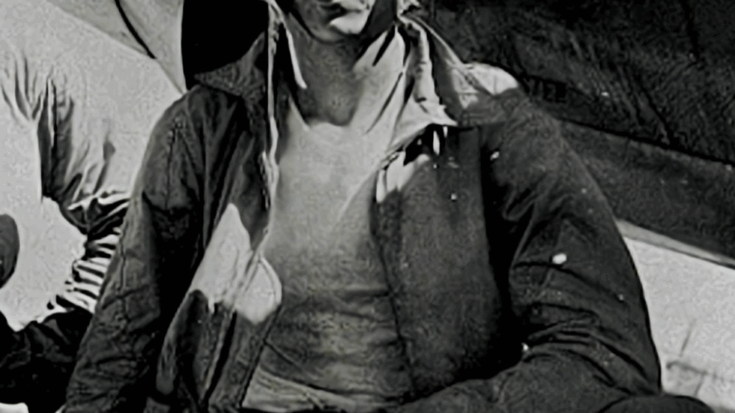
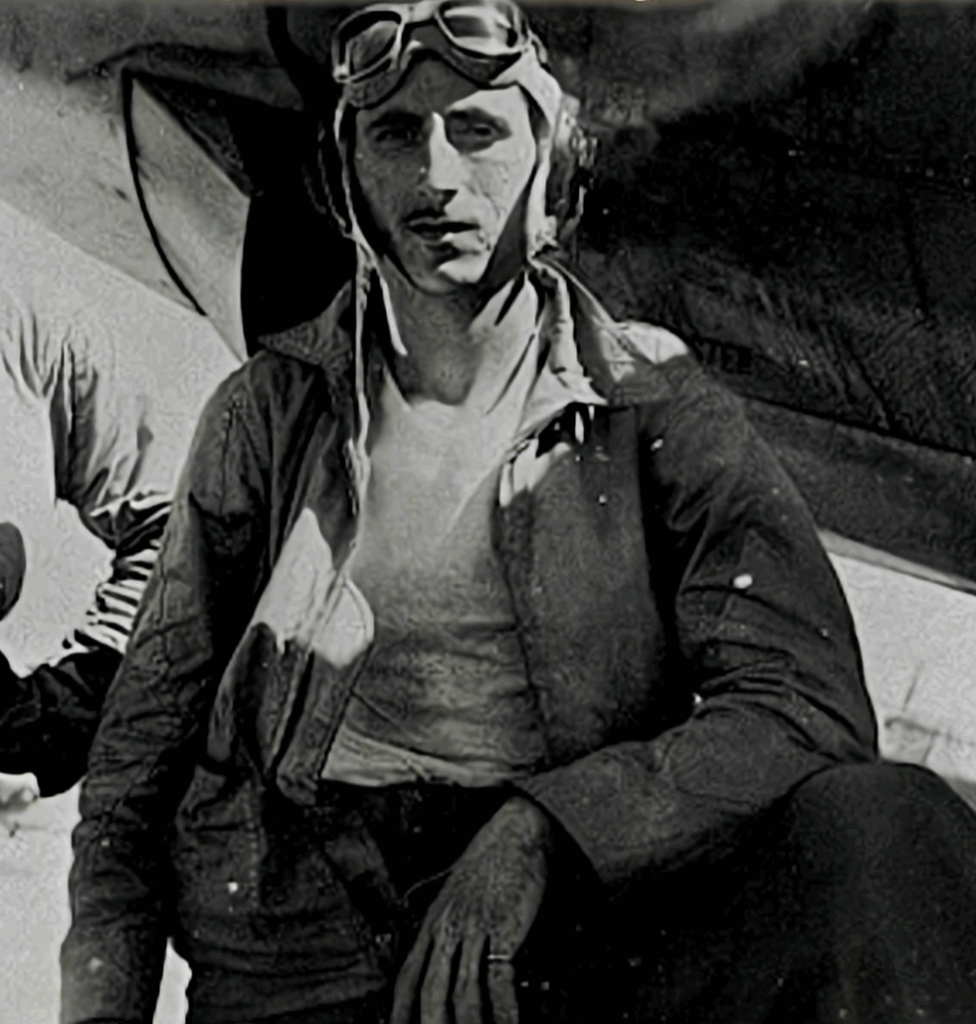
At the National World War II Museum in New Orleans, a TBM Avenger on display is painted to represent an aircraft known as the “Bayou Bomber.” According to that exhibit, this aircraft is depicted as the Avenger flown by Lieutenant (Junior Grade) Thomas J. Lupo from the escort carrier USS Fanshaw Bay. The museum text states that Lupo made repeated attack runs on Yamato, one of the largest battleships in history, during the Battle off Samar. After expending all of his ammunition, he continued making runs on Yamato, and at one point reportedly threw a Coke bottle and other loose items from his aircraft at the ship’s bridge.
This narrative is part of how the museum presents the Bayou Bomber and conveys the bold spirit of the pilots who flew during the battle. It draws attention to the determination of Avenger crews to press their attacks even when typical weapons or fuel were running low, and when they faced overwhelming odds against a powerful surface force.
Context from the Battle Off Samar
Official histories of the Battle off Samar do show that aircraft from the escort carriers made numerous attacks against the Japanese fleet. Planes armed with torpedoes, bombs, or even light armament launched repeated strikes in an effort to slow the enemy and draw fire away from the vulnerable carriers. Some Avengers dropped their depth charges in runs against cruisers and battleships, while fighters conducted strafing attacks or dry runs to confuse and distract enemy gunners. Despite heavy anti-aircraft fire from Japanese ships, American aircraft continued in their attacks.
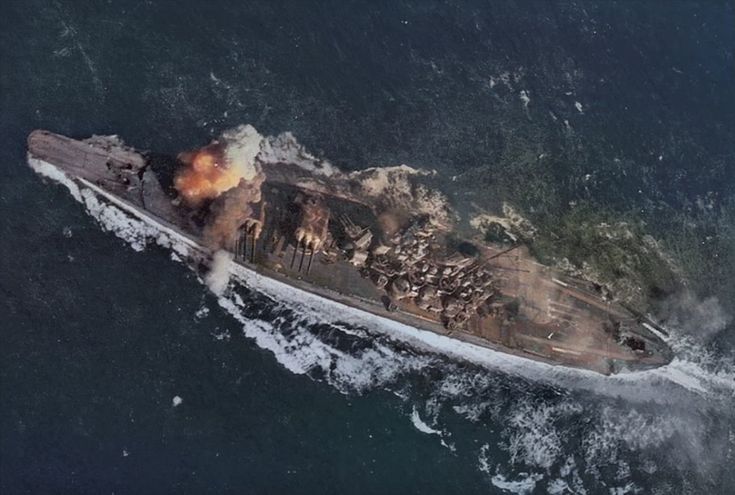
The battleship Yamato did engage American forces at Samar, firing on escort carriers and destroyers from range with her main battery. The sheer size and power of Yamato made her a significant threat, and the appearance of battleships in the engagement was a shock to the outgunned Taffy 3 force. American planes and ships fought fiercely, using every available tactic to protect the carriers and force the larger fleet to withdraw.
Pilots Fighting Against Odds
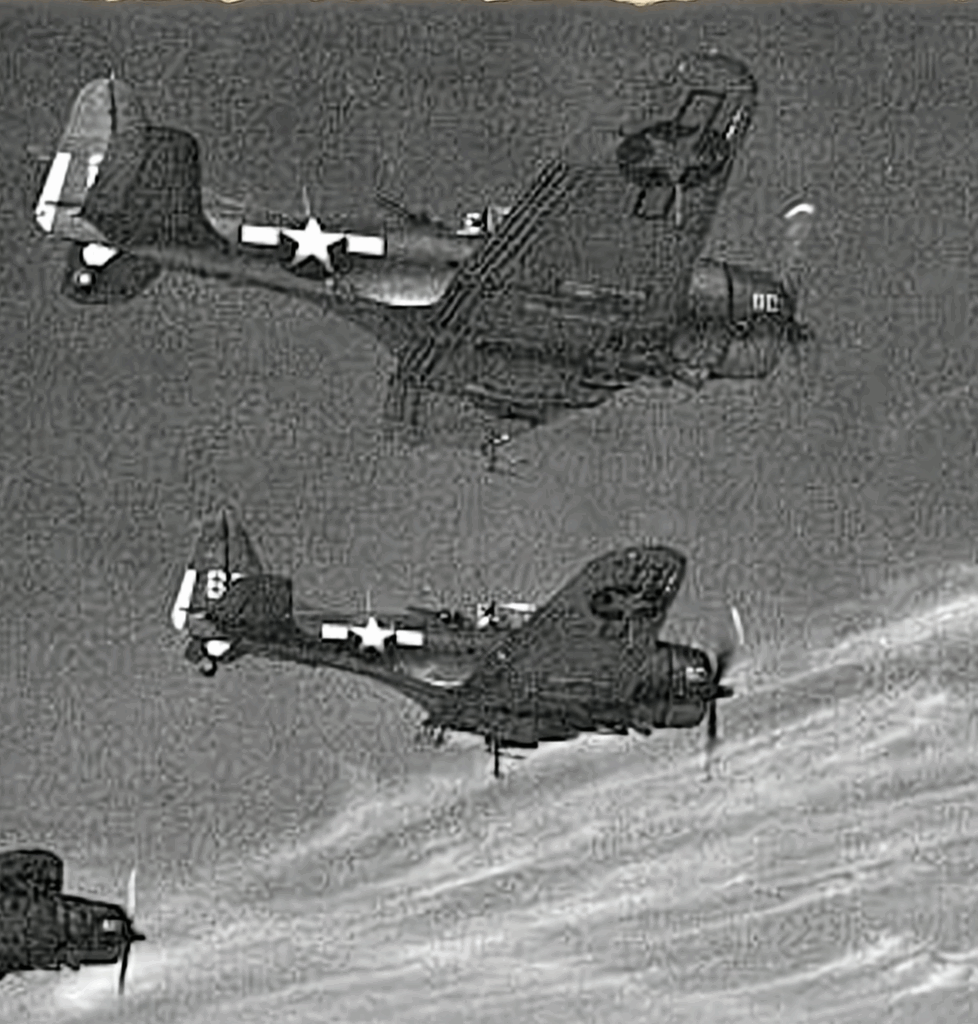
Avenger torpedo bombers from Taffy 3 were not always loaded with ideal anti-ship weapons when the battle began. In many cases, crews armed their planes with whatever ordnance they could quickly mount and took off under intense pressure. Some pilots completed their runs against enemy ships even after dropping their torpedoes or bombs, using their aircraft to draw fire and disrupt enemy formations. In other cases, fighters made repeated passes to force Japanese gunners to shift their aim. These actions, while not always resulting in confirmed strikes on battleships like Yamato, contributed to the larger defense of the escort carriers and helped delay the Japanese advance.
The museum’s portrayal of Lieutenant Lupo’s aggressive attacks — including the colorful detail of throwing objects from the cockpit — highlights the creativity and grit of pilots confronting a much stronger enemy. While specific combat records do not fully document that precise act, they do record that Avenger pilots pressed home their attacks under fire, often beyond what their machines were designed to endure, and that their efforts helped buy precious time for the carriers and destroyers to execute evasive actions.
Legacy of the Avenger Crews
The Battle off Samar remains one of the most remarkable episodes of naval aviation in World War II. The bravery of pilots flying older or less specialized aircraft against a powerful surface fleet is well documented, and Avengers played a meaningful role despite limitations in armament and numbers. Exhibits like the Bayou Bomber at the National World War II Museum serve to honor that spirit and remind visitors of the many forms courage took in the Pacific War.







