The DEADLIEST Plane in History Will SHOCK You
YouTube / Dark Skies
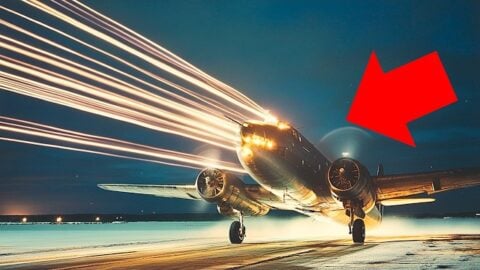
As dawn broke over Normandy on June 6, 1944, the sky trembled with the deep, rolling thunder of C-47 Skytrains pushing through the early morning haze. Their dark silhouettes carved across the Channel in tight formation, signaling the beginning of one of the most decisive operations in human history. These aircraft were no longer tools of peace; they had become carriers of fate, transporting thousands of paratroopers into the heart of occupied Europe. In those opening hours of D Day, the C-47 was not just present, it was essential.
From Civilian Comfort to War Machine
The C-47 Skytrain began life as the Douglas DC-3, a revolutionary airliner that transformed commercial aviation. Reliable, efficient, and easy to handle, it quickly became the backbone of global air travel. But war demanded more. Reinforced, refitted, and repurposed, the C-47 emerged as a military workhorse capable of operating under extreme conditions. It could carry troops, tow gliders, deliver cargo, and evacuate the wounded, all while flying through hostile skies. Its transformation from civilian aircraft to battlefield necessity is one of the most remarkable evolutions in aviation history.
Into the Storm of Fire
On D Day, the skies over Normandy were anything but calm. German anti-aircraft fire erupted as the C-47 formations approached the coast, filling the air with deadly bursts of flak. Each explosion tested the durability of the aircraft and the courage of its crew. Despite the chaos, the Skytrains held steady. Their Pratt and Whitney engines roared as they pushed forward, refusing to break formation. Some aircraft were hit, trailing smoke as they struggled to remain airborne. Others pressed on untouched, guided by discipline and determination.
The Men Who Jumped Into Darkness
Inside the aircraft, paratroopers of the 82nd and 101st Airborne Divisions sat in tense silence. Heavy gear weighed on their bodies, while the weight of uncertainty pressed on their minds. Then came the signal, lights changed, doors opened, and the roar of the wind filled the cabin. One by one, they leapt into the darkness below. Scattered across the French countryside, often far from their intended drop zones, these soldiers faced confusion, isolation, and immediate danger. Yet their mission was clear, disrupt German defenses and prepare the way for the invasion.
Why the C-47 Was So Deadly
Unlike bombers or fighter planes, the C-47 did not rely on heavy weaponry to earn its reputation. Its deadliness came from its impact. By delivering thousands of troops behind enemy lines, it helped dismantle German coordination and weakened their ability to respond to the Allied landings. It enabled surprise, speed, and strategic advantage. Without the C-47, the airborne operations of D-Day, and perhaps the invasion itself, might have failed.
A Legacy Written in the Sky
In the end, the C-47 Skytrain proved that the deadliest weapon in war is not always the one that fires the most bullets. Sometimes, it is the one who changes the course of history. Flying through darkness, flak, and fear, these aircraft carried more than soldiers; they carried the hopes of liberation. And in doing so, they secured their place as one of the most important and impactful planes ever to take to the skies.