Under Appreciated BRITISH Tech From WW2
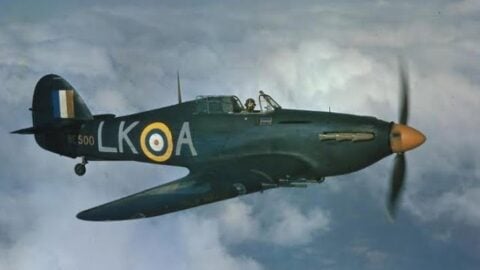
YouTube / Greg's Airplanes and Automobiles
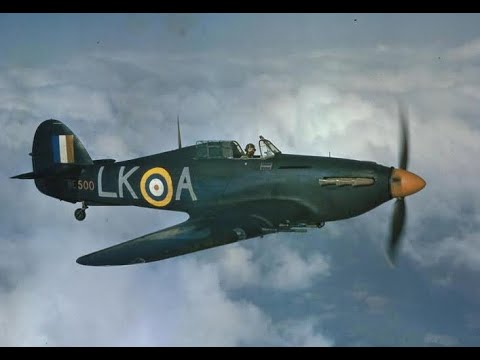
When most people think of British contributions to World War II aviation, the Rolls-Royce Merlin engine and Spitfire often come to mind. But behind the glamour of dogfights and famous planes was a wealth of technological innovation that quietly shaped the outcome of the war. Many of these innovations were crucial, yet remain largely underappreciated. From electronics to precision engineering, British ingenuity helped the Allies in ways that often go unnoticed in mainstream history.
Radar: Seeing Through the Darkness
One of the most transformative British technologies of the war was radar. Developed in secret at the Chain Home network along the British coast, radar allowed the Royal Air Force to detect incoming Luftwaffe raids long before they reached England. This gave the RAF time to scramble fighters and direct anti-aircraft defenses with unprecedented accuracy. Early radar sets were bulky, crude, and hard to use, yet they became the backbone of Britain’s air defense. Without this silent network, the Battle of Britain might have been lost.
The Deceptive Genius of Chaff
Known as “Window” in Britain, chaff was an ingenious countermeasure against German radar. Thin strips of aluminum were dropped from aircraft to create a cloud of false echoes on enemy radar screens. This simple concept, essentially creating optical noise for radar, confused German operators and protected bomber formations over Europe. While often overshadowed by more dramatic technologies, chaff’s contribution to operational success was immense, saving thousands of lives and aircraft.
Ultra Intelligence: The Codebreakers’ Edge
The story of Bletchley Park is now famous, but the sophisticated machinery behind the codebreaking effort is less well known. British engineers developed the Colossus, the world’s first programmable digital computer, to crack the German Lorenz cipher. This machine could process thousands of encrypted messages daily, giving the Allies a crucial advantage in planning operations. While the human brilliance of Alan Turing and his colleagues is celebrated, the engineering innovation of Colossus deserves equal recognition for its revolutionary impact on modern computing.
The Quiet Workhorses: Transport and Engineering
Beyond electronics, Britain produced indispensable mechanical innovations. The Horsa glider, used during the D-Day landings, allowed troops and equipment to silently infiltrate enemy territory. Meanwhile, engineering advances in precision artillery, armored vehicle design, and even amphibious landing equipment enabled the Allies to execute complex operations that relied as much on technical skill as on courage. These innovations were not flashy, but they were essential for operational success.
Unsung Heroes of Innovation
While planes and tanks often grab the headlines, British technology in World War II extended far beyond them. Radar, chaff, codebreaking machines, and transport engineering represent a quiet but decisive contribution to the Allied victory. These innovations demonstrate how intellect and ingenuity, often invisible to the public eye, can tip the scales of history. Understanding and appreciating these under-recognized achievements provides a fuller picture of the technological battle that contributed to the war’s outcome.