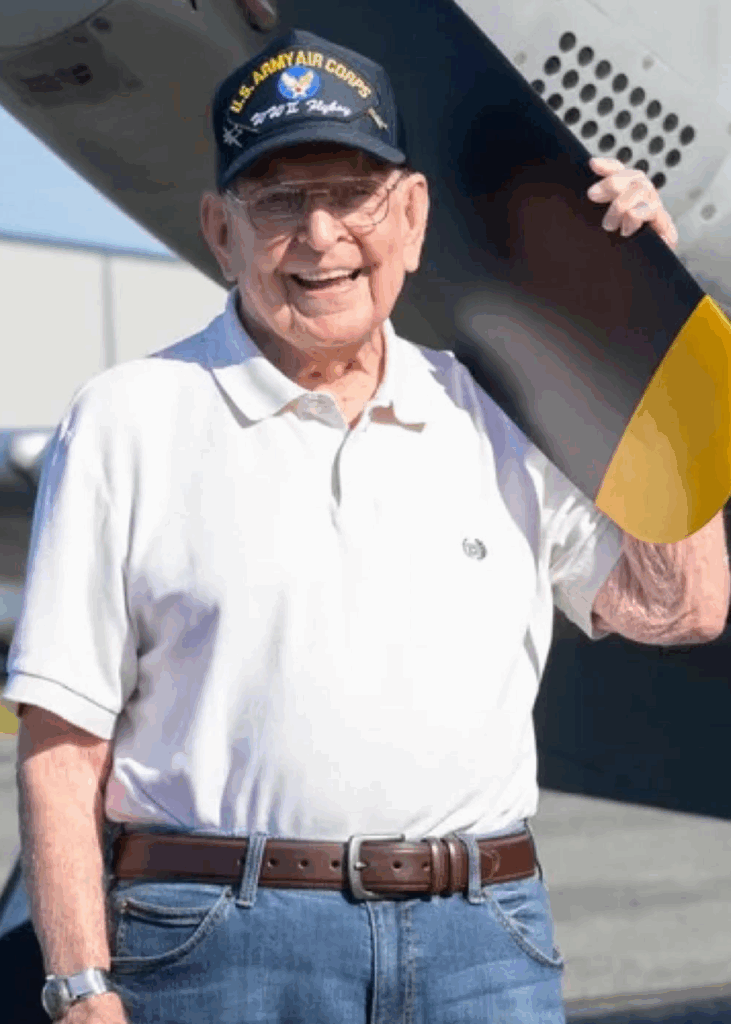
The Story of Jack Hallett, WWII Fighter Pilot of the 367th Fighter Group Who Scored an Aerial Victory Against an ME-109 and Survived Being Shot Down
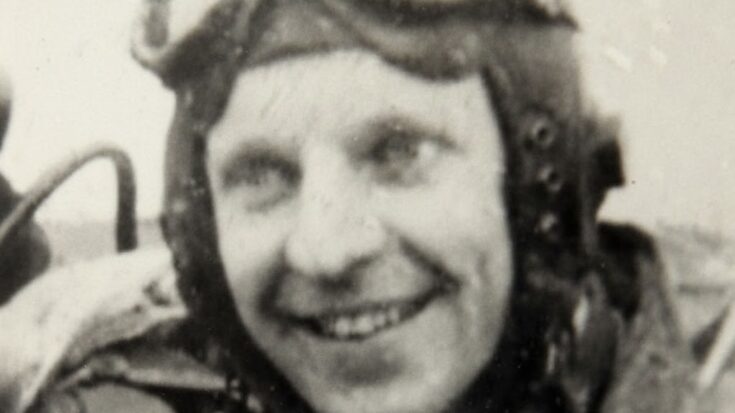
The air war over Europe was often long, tense, and uneven. Many fighter pilots flew dozens of missions without ever firing their guns in combat. Jack Hallett was one of them. Serving with the 367th Fighter Group, he spent most of his time escorting heavy bombers and attacking ground targets. His experiences show how unpredictable air combat could be and how survival often depended on training, luck, and the aircraft itself.
Hallett flew the Lockheed P-38 Lightning, a twin-engine fighter known for its range and stability. The aircraft was well suited for escort work, but that role also meant long hours of watchful flying with sudden moments of danger. For Hallett, one brief dogfight and one violent shootdown defined his combat record.
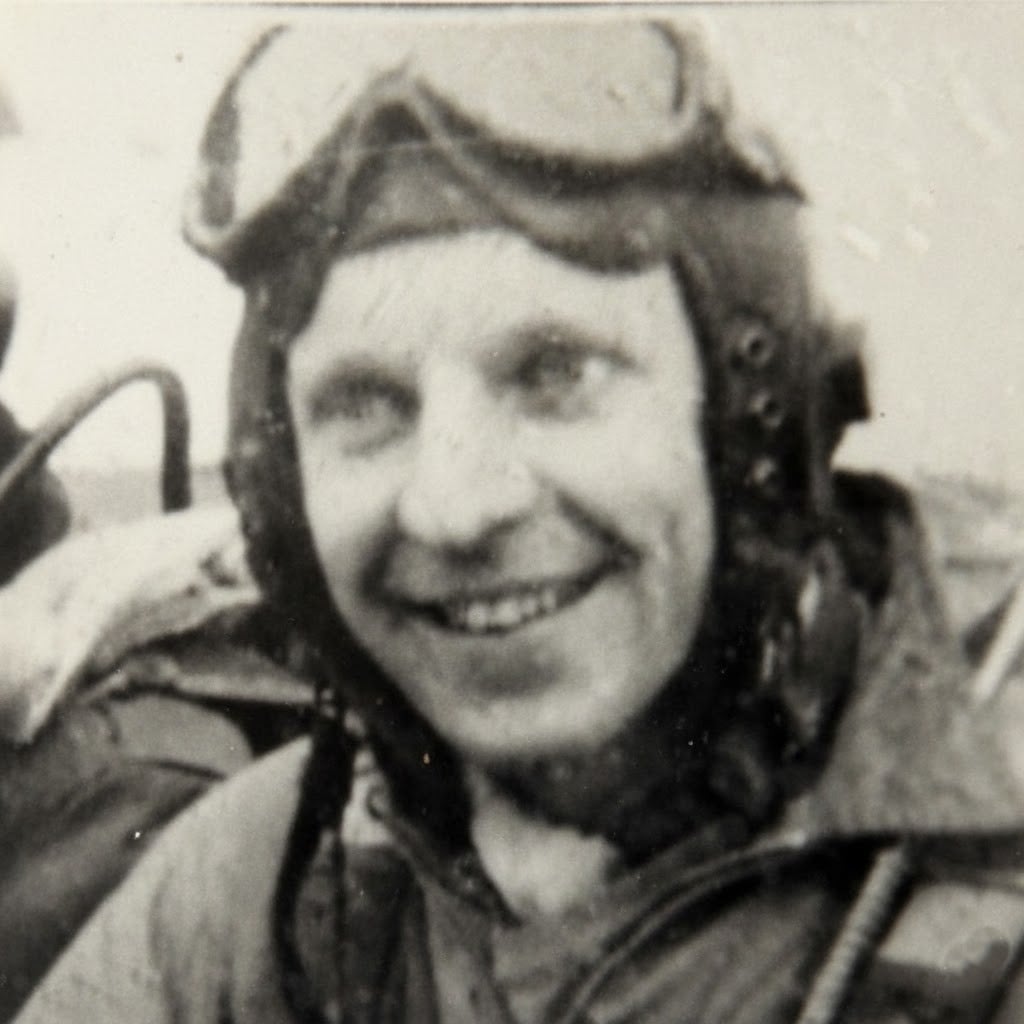
Escort Duty and a Sudden Fight
Hallett recalled escorting British Lancaster bombers, which flew in looser formations than American B-17s. He was positioned as “rear-end Charlie,” responsible for watching the back of the formation. While scanning the sky, he noticed enemy fighters approaching from another direction and momentarily focused on them instead of his tail.
That mistake nearly cost him his life. Two German Bf 109s slipped in behind him. Hallett reacted using a maneuver taught during P-38 training. He slammed one throttle forward, pulled hard on the controls, and applied opposite rudder. The aircraft snapped through a violent break. When he recovered, the sky around him was suddenly empty.
Looking down through an undercast, he spotted several German fighters below. He chased them briefly, but they vanished into the clouds. Then he saw a single aircraft. Hallett engaged, and the two fighters twisted through a turning fight where neither could line up a clean shot.
A Victory Without Gunfire
The enemy pilot eventually rolled inverted and dropped through the clouds. Hallett stayed upright and followed until he realized they were dangerously low. The German aircraft continued downward and struck the ground. Hallett pulled up safely, and his gun camera film confirmed the result.
He was credited with an aerial victory, even though he never saw rounds hit the enemy plane. For Hallett, that was his only confirmed win and the only true dogfight he experienced during the war. Other pilots in the group saw far more action, while many never encountered enemy fighters at all.
The nature of the 367th’s missions meant losses still mounted. Hallett later noted that nearly a hundred men from the group were killed. Combat did not always come as dramatic dogfights. More often, it arrived suddenly from the ground.
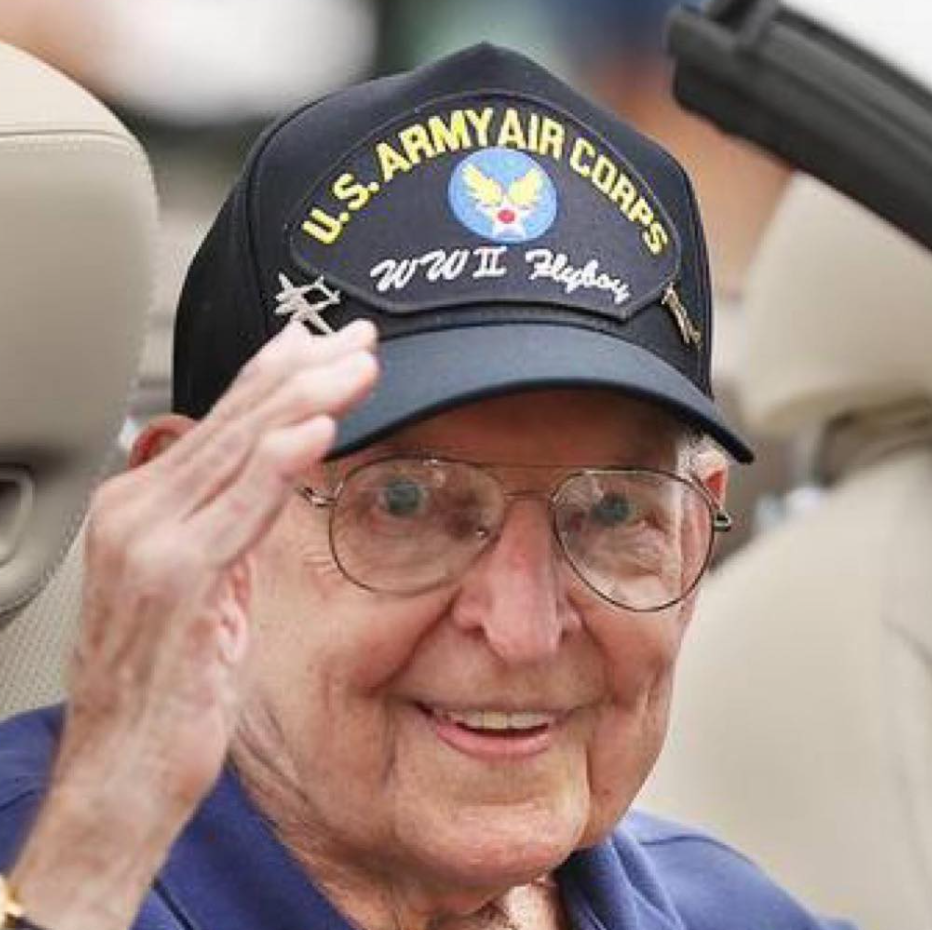
A Low-Level Attack Goes Wrong
On another mission, Hallett was leading a flight when he spotted a convoy hidden in the woods while heading home. Seeing a perfect attack angle, he left part of his flight above and dove in to strafe the vehicles. At first, there was no return fire.
As he pulled up, the trap was sprung. Ground fire tore into his aircraft. Something punched through the right engine and canopy, striking his goggles. He saw red and believed he had been badly wounded. His hand hit the control yoke and microphone, broadcasting his reaction over the radio.
His wingman immediately checked on him. Hallett feathered the damaged engine and secured the aircraft. Despite the hit, the P-38 flew smoothly on one engine as long as he kept his speed up. Ground control asked if he could make it back behind friendly lines, then all the way home. Each time, he answered yes.
Survival by Skill and Design
Hallett returned to his airfield and lowered the landing gear. The indicators showed all wheels locked. He made a careful single-engine approach. What he did not know was that the right wheel was missing.
When the aircraft touched down, the damaged strut collapsed. The fighter flipped violently, and Hallett blacked out. He woke on a stretcher, expecting serious wounds. A doctor examined him and found only a small scratch on his forehead. The object that passed through the canopy had burst a blood vessel in his eye, creating the illusion of heavy bleeding.
The aircraft was destroyed, but Hallett survived. His crew chief later made him a watchband from the wreckage. For Hallett, the episode became a reminder of how quickly routine missions could turn deadly, and how the P-38’s strength and handling had saved his life when it mattered most.