This Day in 1945: Operation Against Dresden Sees 773 Lancasters Strike in Two Waves
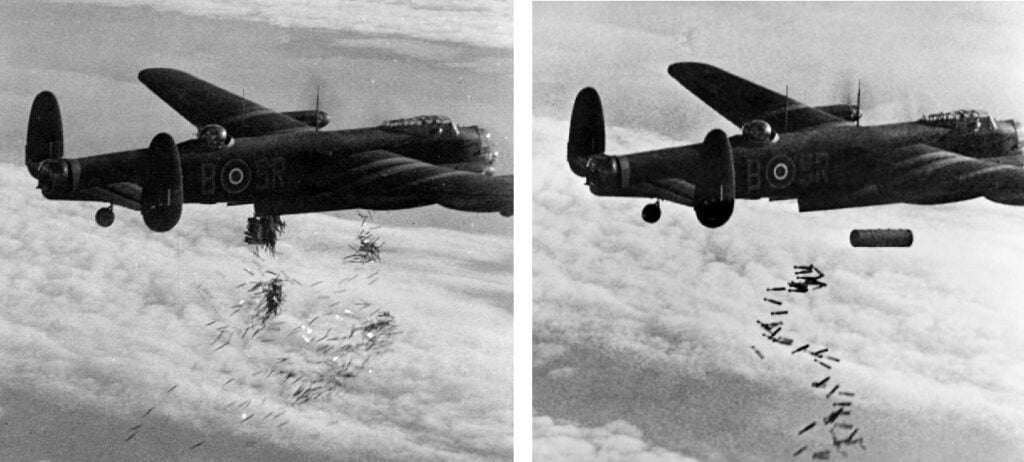
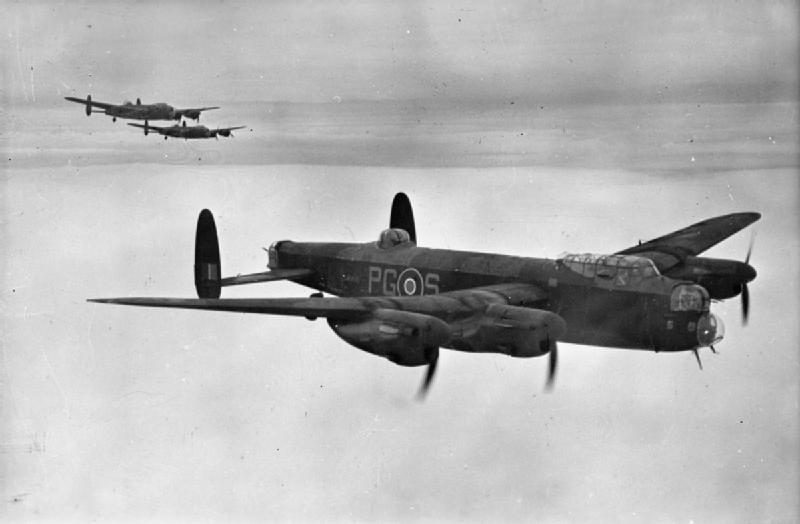
Royal Air Force official photographer, Public domain, via Wikimedia Commons
On the night of February 13, 1945, Allied air forces carried out one of the largest bombing operations of the Second World War against the German city of Dresden. The attack was part of a broader strategic effort to disrupt German transportation and communication networks as the war in Europe neared its end. RAF Bomber Command sent hundreds of heavy bombers in two waves, dropping a mixture of high‑explosive and incendiary bombs. This raid marked the beginning of a series of attacks that would reduce much of the city to rubble and lead to a tremendous loss of life and property.
The assault on Dresden occurred at a time when Allied air power had reached great strength. Advances in navigation, radar, and aircraft performance allowed bombers to strike deep within German territory at night. Dresden, situated on the Elbe River, was a major transport hub with railways and bridges linking the eastern and western parts of the German war effort. In addition, the city had become crowded with refugees fleeing the Soviet advance from the east, increasing the number of civilians in harm’s way.
Night Attack Begins
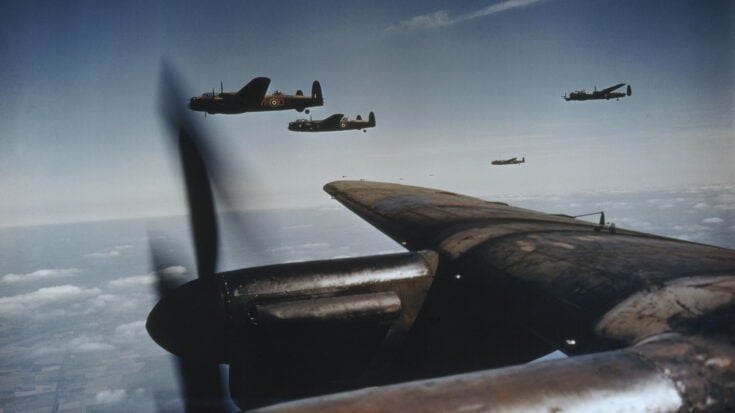
The planned attack involved a large force of Avro Lancaster bombers from RAF Bomber Command. Poor weather earlier in the day had forced cancellation of a planned daylight raid by U.S. bombers, so British crews went ahead that night. The first wave of Lancasters, carrying both high‑explosive bombs meant to break open roofs and structures and incendiaries meant to start fires, reached Dresden around 10:15 p.m. under relatively clear conditions for night bombing.
Bomber crews used special radar and marker flares to find the target in the dark. Pathfinders flying ahead dropped green and red flares to mark the central area of the city for the main force. Within about fifteen minutes, the first wave had released its load, breaking windows, cratering streets, and starting small fires across the urban area.
Second Wave and Escalation
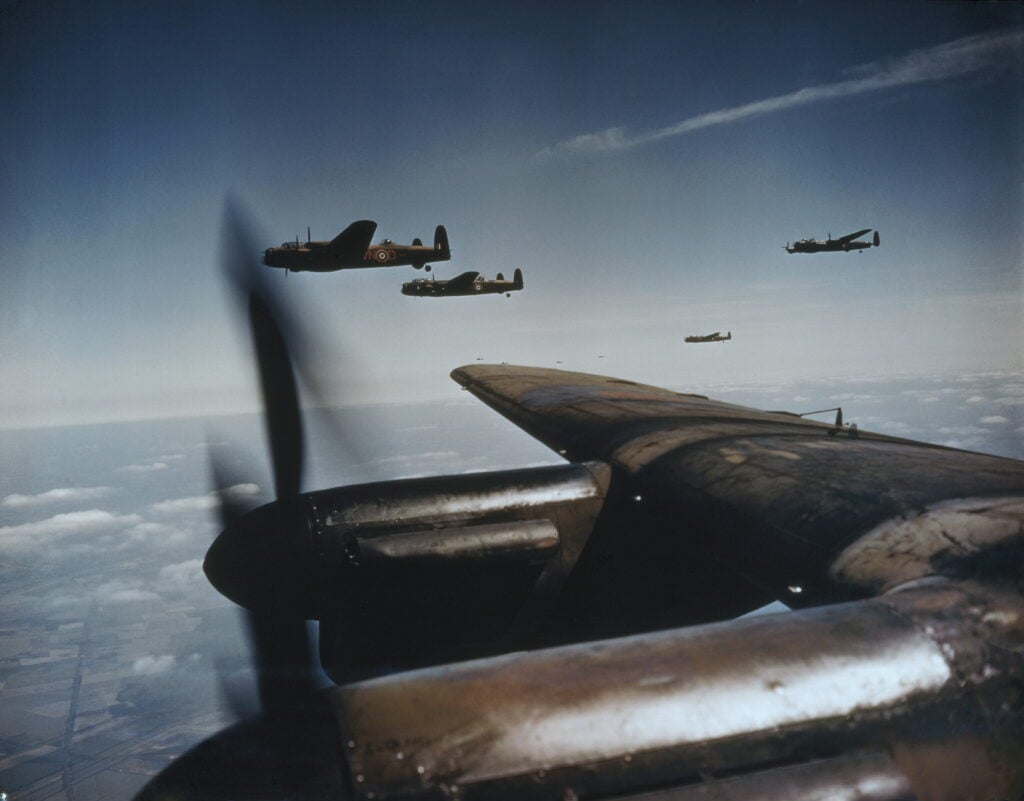
Three hours later, a larger second wave of Lancaster bombers attacked the still burning city. This group released a heavier weight of ordnance, adding more high explosive and incendiaries over a wider section of the urban centre. The combination of explosives and fire‑starting bombs caused many small fires to merge into larger ones. The heated air rising from burning buildings drew in fresh oxygen, creating strong winds and helping spread the fire deeper into the city.
Many of Dresden’s older buildings had wooden roofs and dense construction that allowed flames to spread quickly. Within hours, the fires coalesced into a firestorm, with winds fierce enough to pull air and flames through streets and buildings alike. In some areas, temperatures rose high enough to cause structural collapse and severe damage.
Follow‑Up Attacks
The RAF night raids were followed on February 14 by daylight attacks from the U.S. Eighth Air Force. More than 300 Boeing B‑17 Flying Fortress bombers dropped additional bombs on the city’s rail yards, marshalling yards, and transport links. These strikes focused on infrastructure still standing after the night attack, aiming to further hinder movement of German troops and supplies. A second U.S. attack later that day added to the destruction.
By the end of the three‑day series of raids that stretched into February 15, nearly 4,000 tons of bombs had been dropped on Dresden. The city’s transportation networks were severely disrupted, and large areas of the urban centre had been burned and shattered. Numbers published decades later by historians and local authorities estimate roughly 25,000 people died as a result of the attacks, though the exact figure remains debated due to the presence of refugees and incomplete records.
Strategic Context
Allied planners saw the bombing of Dresden and other German cities as part of a broad campaign to weaken German capacity to continue the war. By early 1945, advancing Allied armies were pressing from both east and west, and airpower was seen as a way to strain German logistics and communications. The city’s rail lines and bridges were considered valuable targets for this reason, even if the bombings also affected civilian areas.
The raid on Dresden remains one of the most debated episodes of the air war in Europe. Historians, military analysts, and civilians have discussed the military rationale for such large raids on urban centres, the scale of destruction, and the toll on human life. What is clear from archived records is that the operation involved a massive commitment of bomber forces and represented the intense use of airpower in the final months of the war.