

This Day in WWII (1943): How Stalingrad Shattered the German Air Force in One Catastrophic Airlift
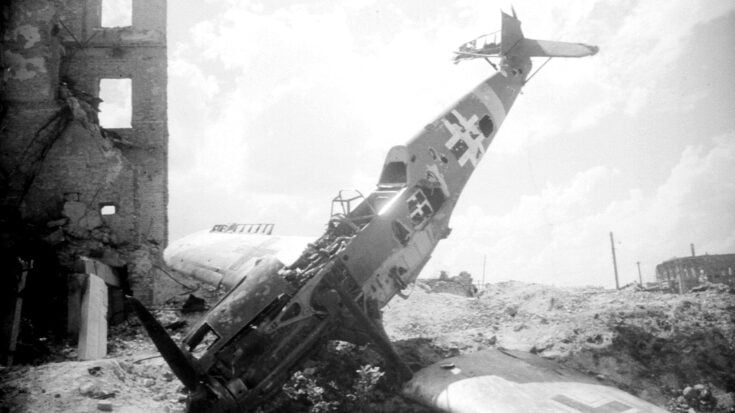
tormentor4555, PDM-owner, via Wikimedia Commons
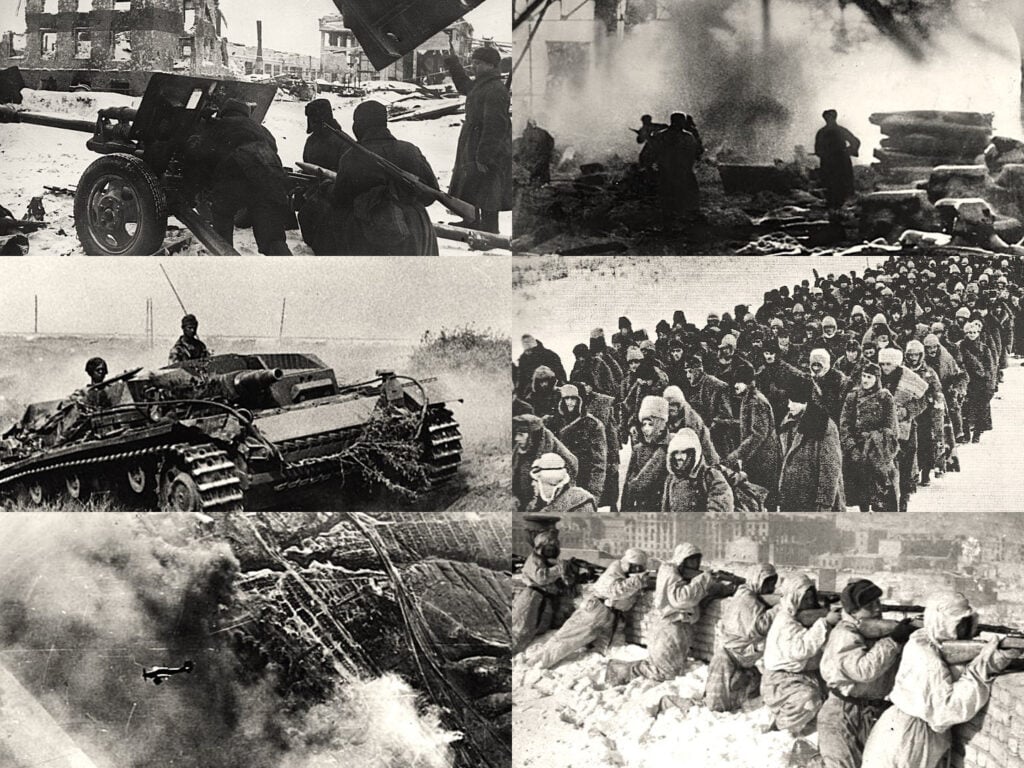
The siege of Stalingrad ended on February 2, 1943, when the last of the German 6th Army surrendered after months of fighting in and around the ruined city. What had begun as a battle of attrition turned into a disaster for the German forces trapped inside. One of the most striking aspects of this months-long ordeal was the attempt to supply the encircled army by air. The German high command ordered the air force to fly in food, ammunition, fuel, and other essentials to sustain the army entirely by aircraft. In reality, this great effort fell far short of what was needed, and the losses suffered during the attempt weakened the air force in the wider war.
The Challenge of Supplying an Encircled Army
When German ground forces were surrounded in Stalingrad in late November 1942, commanders on both sides recognized that supplies would be critical. The German leadership insisted that the air force could supply all required materials by flying them into the pockets held by the 6th Army. This plan depended heavily on transport aircraft such as the Junkers Ju 52, a trimotor plane that had served as the backbone of Germany’s logistic flights earlier in the war.
The scale of the need was immense. Estimates at the time suggested that the encircled troops needed at least 500 tons of supplies every day to maintain combat readiness and survive the harsh winter. But even on clear days, the air force rarely delivered more than a fraction of that. Cloudy conditions, bad weather, and limited aircraft numbers meant fewer flights could reach the isolated fields near Stalingrad. The result was a daily average far below what was required, leaving troops short of fuel, food, and ammunition.
Aircraft Losses and Wear
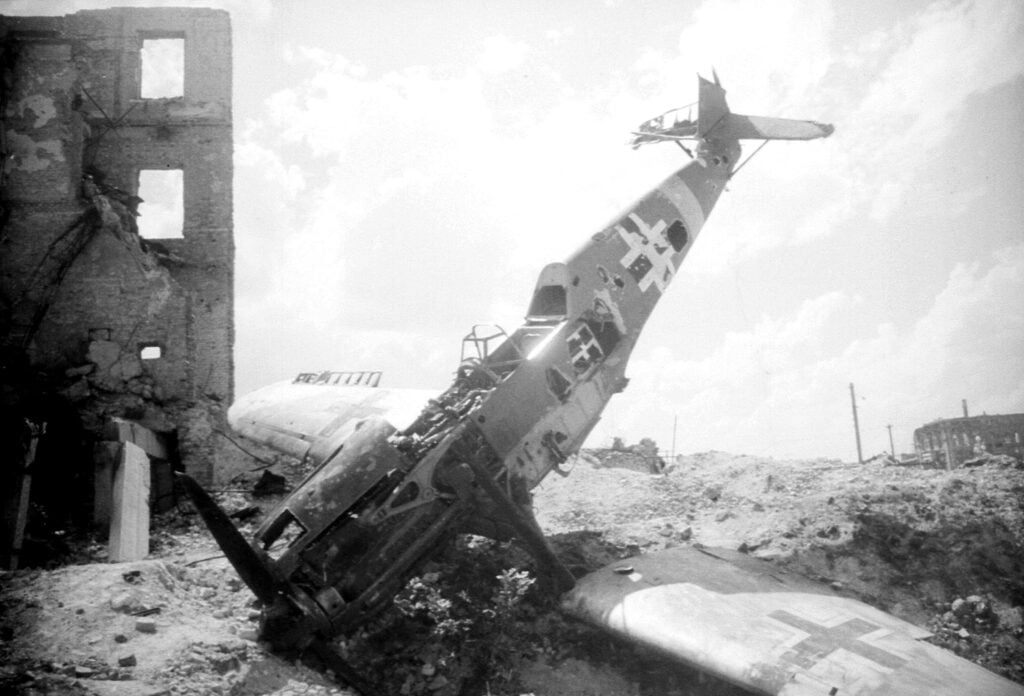
The effort to resupply the army was costly. The total number of aircraft lost or badly damaged during the airlift approached nearly five hundred, a number that was roughly equivalent to an entire aircraft corps in strength. These losses included hundreds of the Ju 52 transports that had been pressed into service, along with converted medium bombers such as the Heinkel He 111 and other types converted to carry loads. Many of these aircraft were shot down by opposing fighters or anti-aircraft fire, and many others were lost in landing accidents on cratered, snow-covered runways.
Losses were not limited to machines. The aircrews who flew these dangerous missions included many of the most experienced pilots available. A significant number of these airmen had been taken from training schools and flight instruction roles to fly supply missions. When they were lost in combat or accidents, the effect was felt far beyond the Stalingrad pocket because fewer skilled instructors remained to train new pilots for the broader air force.
Weather and Field Conditions
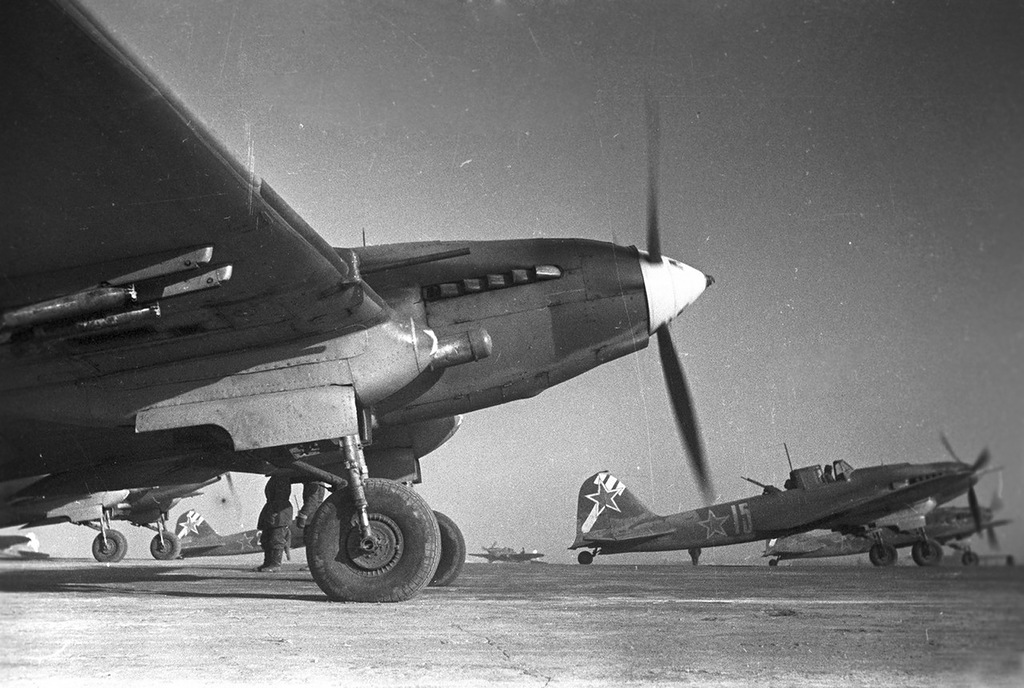
Weather played a major role in the failure of the airlift. Severe winter conditions over the eastern front brought freezing temperatures, snowstorms, and fog that often made flying impossible. On several occasions, the weather halted all flights to the supply fields near Stalingrad, depriving the trapped army of much-needed supplies. These conditions also made maintaining aircraft far more difficult. Engines had to be warmed by hand or with limited equipment before they could start, and crews struggled to clear runways covered in snow and ice.
Even when flights were able to take off, they often brought back more than they carried in. Many transport aircraft were filled with wounded soldiers and others being evacuated from the encircled army. These return flights helped remove some of the human burden from the isolated forces, but they did nothing to sustain those who remained.
The Impact on German Air Power
The failure of the airlift weakened the air force in other theatres as well. Transport aircraft that could have been used elsewhere were destroyed or rendered unserviceable. The loss of trained crews further reduced overall flying capabilities because many of these men could have been flying combat missions or training new pilots. The reduction in air transport and crew quality was felt in later operations, especially as the war on the eastern front and in other regions demanded growing numbers of trained airmen and working aircraft.
By early February 1943, the last fields inside the encirclement were lost, and the airlift ended. The surrender of the 6th Army on February 2 marked not only a dramatic defeat for ground forces but also a clear demonstration of the limitations of relying solely on air supply in such extreme conditions. German air power had been unable to meet the demands placed on it, and the losses it suffered in the attempt reduced its capacity in the months that followed.

.jpg)

