Is American Running Out Of Tomahawk Missiles
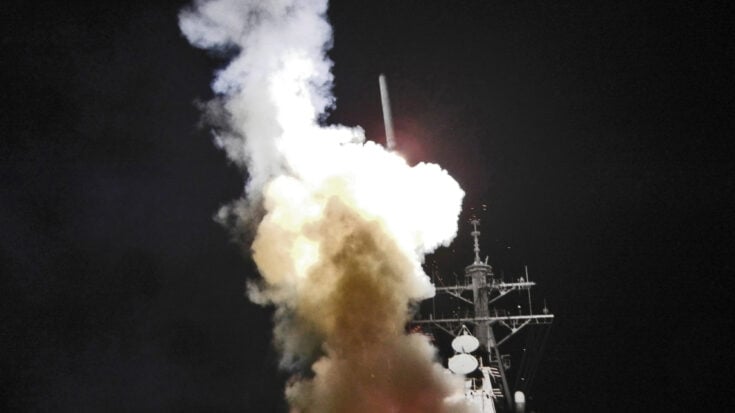
More than 850 Tomahawk cruise missiles have been fired by the United States in just over a month of Operation Epic Fury, the joint US-Israeli war on Iran, a pace of consumption that is raising alarms among Pentagon strategists, not so much about the current conflict, but about what comes after.
The figure, first reported by the Washington Post, far exceeds the weapon’s use in any previous conflict. An analysis by the Center for Strategic and International Studies estimates the US still holds roughly 3,000 Tomahawks in reserve, enough to sustain Epic Fury, but defense experts warn that the rapid drawdown creates real vulnerabilities elsewhere in the world.

What Makes the Tomahawk So Valuable
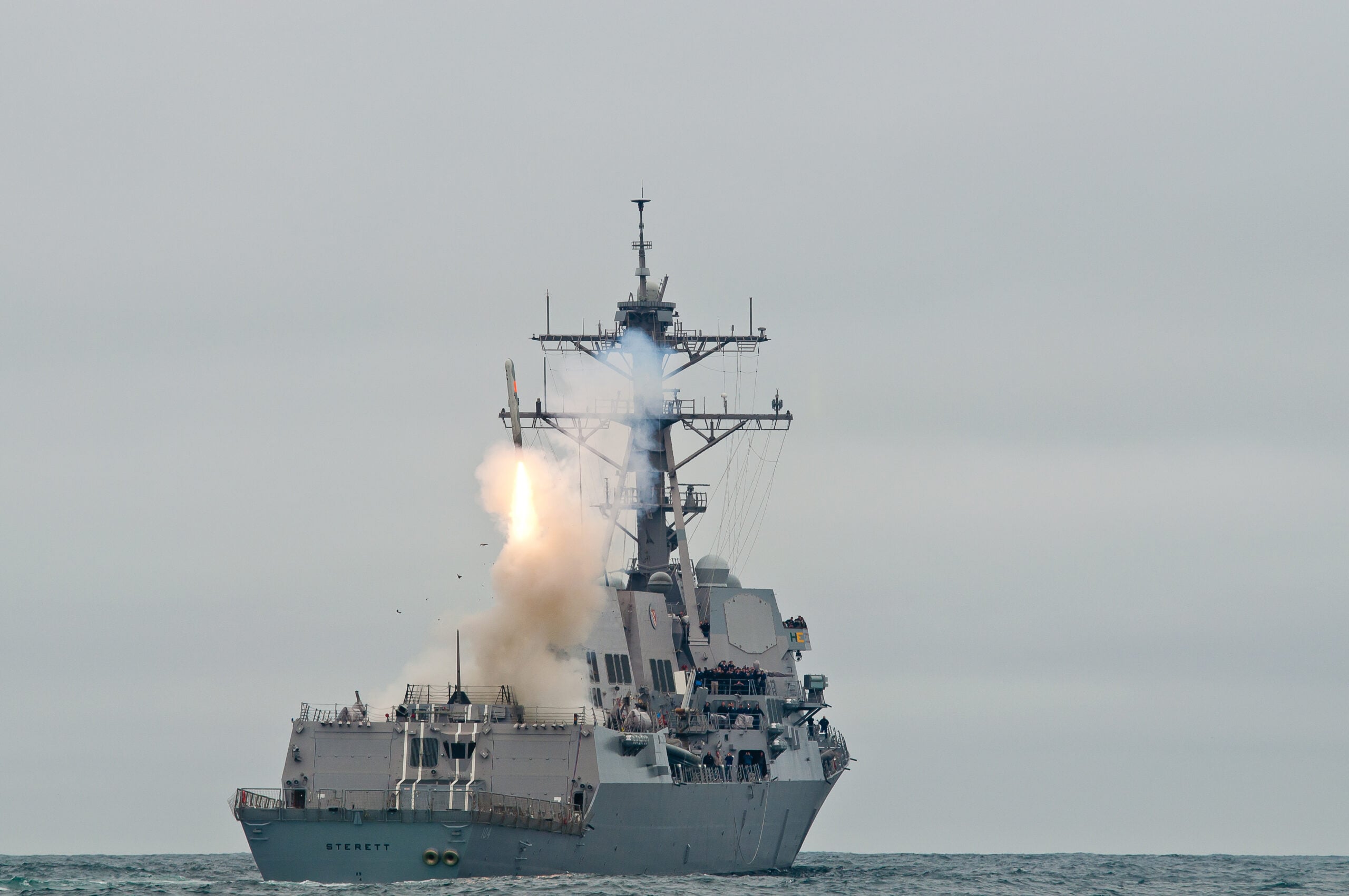
The Tomahawk is a ship-launched, long-range cruise missile capable of striking targets up to 1,000 miles away with high precision. Because it is launched from naval vessels, it requires no forward air bases or overflying aircraft. It can also be guided mid-flight via satellite, giving commanders flexibility that few other weapons match.
Those qualities made it the weapon of choice in the opening phase of Epic Fury, when US and Israeli forces were still working to dismantle Iran’s air defense network. Once air superiority was established, Tomahawk usage dropped but did not stop entirely.

“Once we established air superiority, the number of Tomahawks fired declined,” said Mark Cancian, a senior adviser at CSIS. “It didn’t go to zero, but it came down because they’re so expensive and scarce.”
The cost differential is stark. Each Tomahawk runs approximately $3.5 million. A JDAM, a precision guidance kit fitted to a conventional bomb, costs around $80,000, carries a similar explosive payload, and achieves comparable accuracy, but requires aircraft to fly within roughly 20 miles of the target. As Iranian defenses have weakened, the military has shifted toward cheaper short-range munitions, allowing the campaign to continue without burning through high-value stockpiles as quickly.
How Long to Rebuild
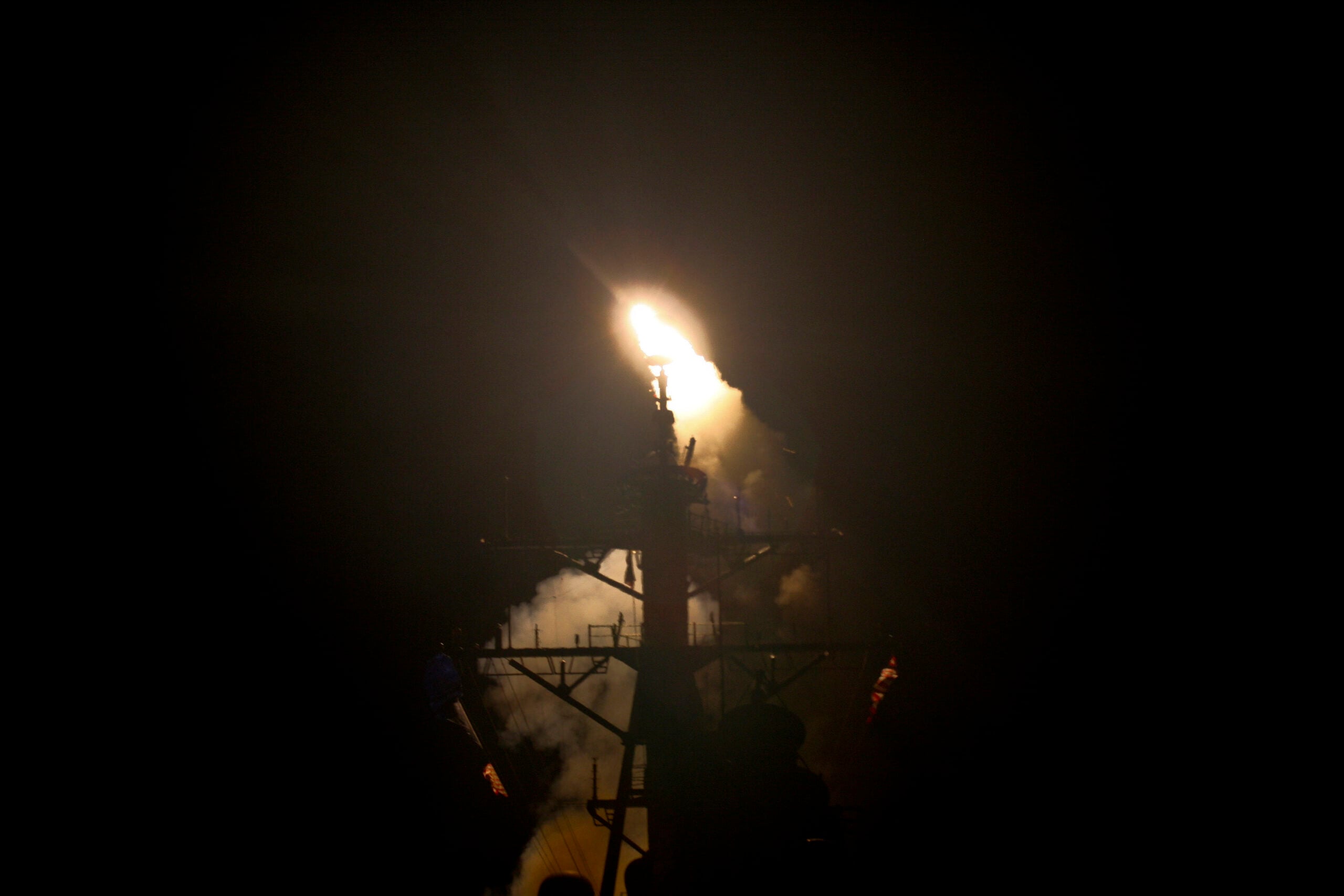
Replenishing the expended stockpile will take time. Defense Secretary Pete Hegseth has made a point of visiting defense manufacturing facilities to press contractors on accelerating production, what has been dubbed an “Arsenal of Freedom” tour. Even so, Cancian estimates it will take two to three years to replace the 850 to 1,000 missiles fired so far.
The Patriot missile system faces a similar strain. Cancian estimates roughly 1,000 Patriots have been used since the war began, out of an estimated pre-war stockpile of around 4,000, representing about a quarter of available inventory. The US currently produces approximately 600 Patriots per year, split between domestic needs and allied nations. Analysts expect discussions to emerge about reprioritizing that production queue, potentially moving Gulf states toward the front as demand in the region remains high.
For now, officials say the US has sufficient stocks to sustain the current campaign. The longer-term question, whether the pace of modern warfare is outrunning America’s ability to produce the weapons it depends on, remains an open one.