Ukrainian Yak-52 Crew Uses Rifles to Take Out Russian Geran Drone in Midair
@Archer83Able / X
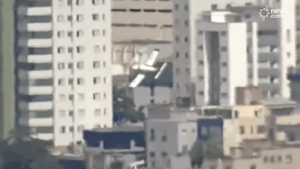
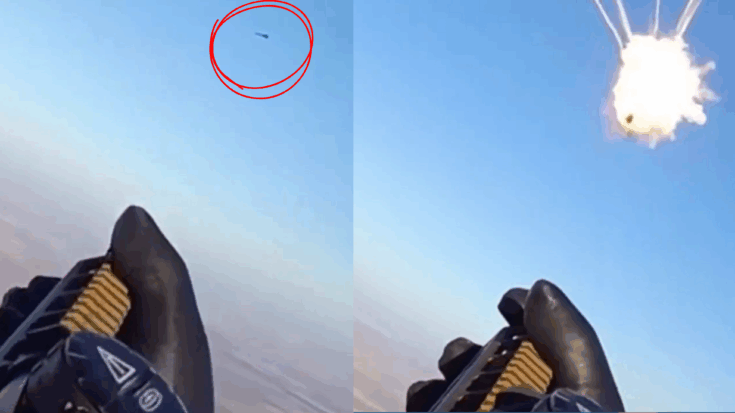
As aerial warfare continues to evolve, both Ukraine and Russia have adapted older aircraft for new roles against unmanned threats. A recently released combat video shows how a Soviet-era training plane, never designed for combat, has been turned into an improvised interceptor. The footage, which surfaced on March 24, 2026, captures a Ukrainian Yak-52 crew engaging a Russian Geran one-way attack drone using a handheld rifle during flight, offering a rare look at close-range aerial defense in modern conflict.
The incident highlights how relatively simple tools are being used to counter increasingly common drone attacks. Rather than relying only on advanced missile systems, Ukrainian forces have experimented with low-cost solutions to intercept slow-moving aerial targets threatening cities and infrastructure.
Video Shows Close-Range Drone Interception
The first-person footage appears to be recorded from the rear cockpit of a Yak-52 aircraft. A crew member can be seen aiming a short-barreled rifle fitted with a sighting system while the aircraft approaches the drone from behind. The operator fires several semi-automatic shots, estimated at around eight rounds, before the Geran drone suddenly explodes midair at a noticeable distance from the aircraft.
Ukraine has used Yak-52 trainers in this role since 2024, mainly targeting reconnaissance drones and loitering munitions such as the Orlan-10 and Geran series. Previous videos suggested rear-seat crew members used handheld weapons, but the new footage clearly documents the firing sequence and resulting destruction of the drone.
Why Handheld Weapons Are Used
Instead of installing permanent weapons, crews rely on handheld firearms due to the difficulty of modifying the aircraft. Adding wing-mounted guns or targeting pods would require structural changes, certification, and maintenance support that may not be practical during wartime conditions.
This approach mirrors early aerial combat methods from the First World War, when observers used rifles and machine guns before synchronized weapons became standard. In modern operations, the Yak-52’s slow speed and maneuverability make it suitable for intercepting drones that fly lower and slower than traditional military aircraft targets.
Reports indicate Russia has also explored similar adaptations for its own Yak-52 fleet. Images circulated online showed a modified version reportedly equipped with optical systems and electronic warfare equipment intended to disrupt drone communications, though operational footage remains limited.
The Role of Geran Drones in the Conflict
Geran drones, widely used in long-range strike missions, function as one-way attack weapons designed to overwhelm air defenses. They are often launched in large numbers alongside cruise missiles and tactical strike systems, forcing defenders to divide attention across multiple threats.
Video evidence from other attacks shows these drones striking buildings and infrastructure across Ukrainian cities, including locations far from front lines. Their relatively low cost compared to missiles makes them effective for sustained pressure against defensive systems, prompting Ukraine to develop layered responses that include aircraft, helicopters, and interceptor drones.
The Yak-52’s Unexpected Combat Role
The Yakovlev Yak-52 first flew in 1976 as a primary training aircraft developed by the Yakovlev Design Bureau. Built as a two-seat, single-engine monoplane, it was originally intended to train pilots in aerobatics and basic flight operations. Its durable airframe and responsive handling later made it popular in civilian airshows and aerobatic clubs.
Powered by a Vedeneyev M-14P radial engine, the aircraft features tandem seating that allows coordination between front and rear crew members. Its low stall speed and stable handling characteristics make it effective for slow-mover interception missions, where high-speed jets would struggle to engage small drones safely.
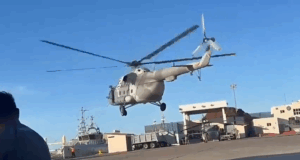
Variants of the Yak-52 were previously adapted for light attack duties using external hardpoints, though Ukraine’s current method relies on minimal modification. Ukrainian forces have also used helicopters such as the Mi-8 equipped with door-mounted machine guns, along with domestically developed interceptor drones, to counter aerial threats.
The appearance of rifle-armed trainers in combat reflects how modern warfare increasingly blends old technology with new tactics, showing that even training aircraft can play an active role in defending airspace when faced with persistent drone attacks.