

U.S. Pilots Hated This Plane Until Its 37mm Nose Cannon Devastated Japanese Ships
See page for author, Public domain, via Wikimedia Commons
The Disliked Fighter
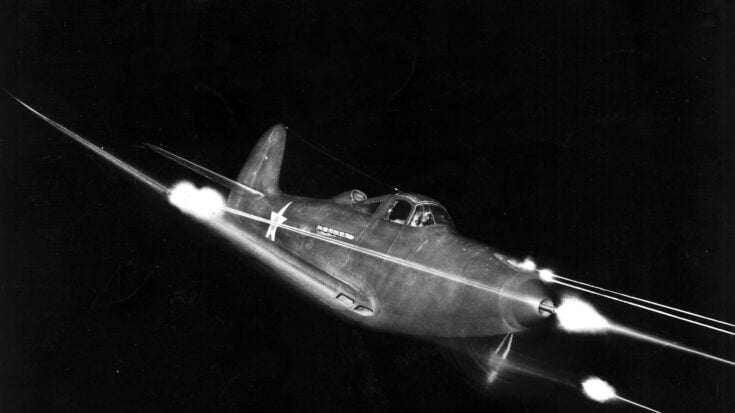
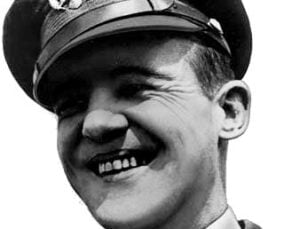
On the morning of October 15, 1943, Lieutenant Colonel William Shomo sat inside the cockpit of his Bell P-39 Airacobra, flying just 300 feet above Rebal Harbor. Below him, a line of Japanese supply barges moved through the waters, carrying ammunition, food, and reinforcements to garrisons in the northern Solomon Islands. Shomo, 31 years old and commanding the Seventh Fighter Squadron, had flown countless Pacific missions but had not yet destroyed a single barge. The aircraft his squadron flew was widely regarded as one of the worst fighters in the U.S. Army Air Forces. Pilots joked it should be issued with a shovel instead of guns because it often failed them in combat.
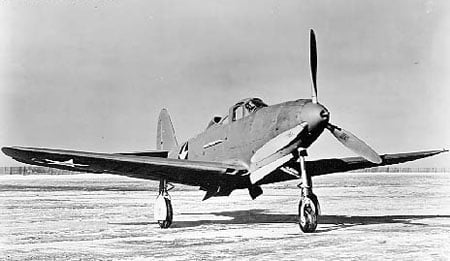
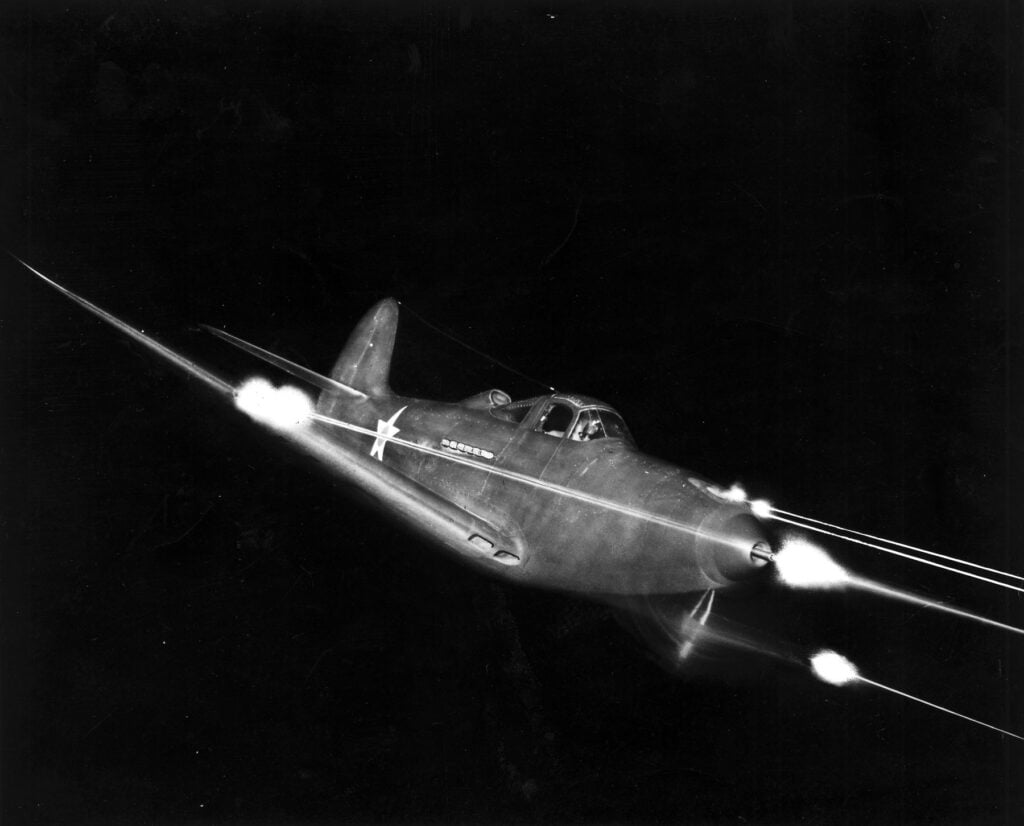
The Airacobra’s flaws were numerous. It climbed slowly, handled poorly, and struggled above 20,000 feet. Its rear-mounted engine and long drive shaft created unusual vibrations that made every pilot uneasy. Speed and maneuverability, essential traits for dogfighting, were lacking. On top of that, its primary weapon, a massive 37mm M4 cannon, added weight and disrupted balance. Pilots considered it awkward, slow, and dangerous in the wrong hands. Yet beneath these weaknesses lay an unrecognized strength: a heavy cannon capable of destroying targets at low altitude that other aircraft could not reach.
An Unexpected Purpose
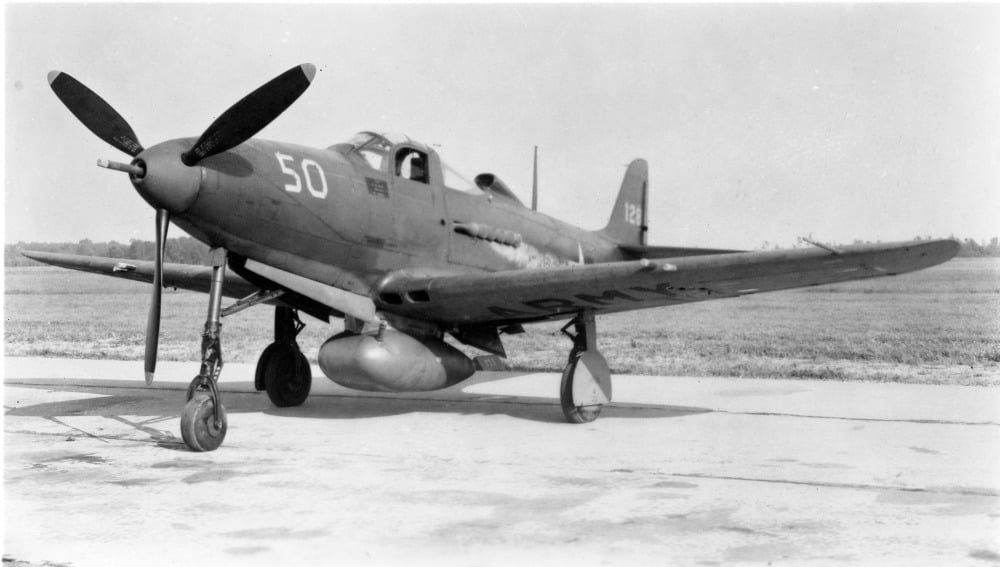
When the Airacobras arrived at Henderson Field six months earlier, pilots and mechanics were openly frustrated. The tricycle landing gear was unfamiliar, the engine position odd, and the cannon looked like it belonged on a tank. Staff Sergeant Mike Torres even remarked that the aircraft seemed “designed in reverse.” Despite these challenges, Shomo and his team soon realized that the Airacobra’s limitations were also advantages. Its stability at low altitude and the destructive power of the 37mm cannon allowed it to attack ships with deadly efficiency.
The first experimental barge-hunting mission in May 1943 confirmed this potential. Lieutenant Edward Cox spotted a lone barge and fired his cannon from 800 yards. One shell struck the steering station, igniting a secondary explosion that sank the vessel within seconds. The mission demonstrated what traditional bombers and fighters had struggled to achieve: precision attacks on small, resilient targets. From that point, the Airacobra’s role shifted from a ridiculed fighter to a specialized surface attack aircraft, exploiting weaknesses in enemy defenses and using its cannon as a decisive weapon.
The Defining Mission
On October 15, 1943, intelligence identified a massive Japanese convoy of twelve barges escorted by forty fighters moving across Empress Augusta Bay. Shomo led eight Airacobras at wave-top height, masking their approach from enemy eyes. Before the Japanese realized they were under attack, Cox fired the first shell, obliterating the lead barge in a column of flame. Other pilots followed, striking additional vessels while staying low enough to avoid anti-aircraft fire. Shomo made a second pass on the largest barge, firing three shells that disabled the engine and detonated the cargo hold, producing an explosion visible for miles. By 8:00 a.m., nine of the twelve barges were sinking, and all American pilots returned safely.
The mission revealed how a supposedly flawed aircraft could dominate in the right role. The Airacobra’s low-speed stability, sturdy airframe, and heavy cannon allowed it to operate effectively where high-altitude bombers and faster fighters could not. In the following months, similar missions destroyed hundreds of supply vessels, severely disrupting enemy logistics and weakening garrisons across the northern Solomons. By March 1944, intelligence confirmed more than 800 Japanese ships had been damaged or destroyed, drastically affecting combat operations.
Legacy of the Airacobra
Postwar analysis confirmed what pilots had already discovered in the Pacific. The Airacobra’s unusual design, rear engine, and heavy cannon were advantages when flying close to the water. Soviet pilots using lend-lease Airacobras achieved similar success with low-altitude attacks. The aircraft foreshadowed the concept of modern attack planes like the A-10 Warthog, built around a powerful cannon for precision strikes. Shomo later reflected that the Airacobra succeeded because pilots learned to use what it could do instead of lamenting what it could not.
The plane once hated for its shortcomings became a decisive weapon, proving that innovation in combat often comes from adapting to unexpected circumstances rather than following established rules.


.jpg)