Watch Rare WWII Fighter Planes Roar to Life in Incredible Cold Start
Restored aircraft from the Second World War offer more than visual history. When their engines start again after decades of silence, they recreate sounds once heard across wartime airfields. A recent video featuring cold starts of restored fighter planes allows viewers to witness how these machines operated before modern aviation changed aircraft design and technology.
Cold starting a wartime fighter is not a simple process. Unlike modern jets that rely on automated systems, these aircraft depend on mechanical preparation and careful timing. Ground crews must check fuel pressure, oil flow, magnetos, and cooling systems before ignition. The process reflects how pilots and mechanics worked together during the 1940s, when reliability depended on skill and routine rather than computer assistance.
The Sound and Mechanics of a Cold Start
Many restored fighters shown in demonstrations today are powered by engines such as the Rolls-Royce Merlin or Pratt & Whitney radial engines. These large piston engines require priming fuel into the cylinders before turning over. When ignition begins, smoke and flames may briefly appear from the exhaust, a normal result of excess fuel burning during startup. The deep rumble that follows comes from hundreds of moving parts working in precise sequence.
These sounds were once common at Royal Air Force and Allied airfields preparing for missions against German forces. Mechanics often stood close to spinning propellers, monitoring engine vibration and temperature changes. A successful start meant the aircraft was ready for flight, while any unusual noise could signal mechanical trouble that required immediate attention. Today, restorers follow similar procedures to protect engines that are now rare historical artifacts.
Restoration and Preservation Efforts
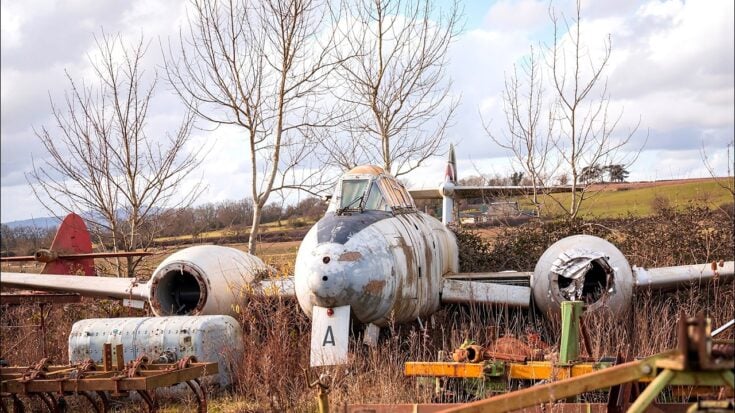
Restoring a wartime fighter can take years of research and engineering work. Specialists search for original blueprints, surviving components, and period-correct materials to rebuild aircraft as accurately as possible. Many surviving planes were recovered from crash sites or long-term storage, requiring complete reconstruction of engines, wiring, and structural parts before they could safely operate again.

Organizations and private collectors maintain these aircraft not as weapons but as flying history. Aviation museums and heritage flight groups operate them during airshows to help audiences understand the technology and human effort behind wartime aviation. Each engine start represents careful preservation, balancing historical accuracy with modern safety standards.