When a Spotter Plane Took Down a German Aircraft With Pistols in WWII
WW2 Records / YouTube
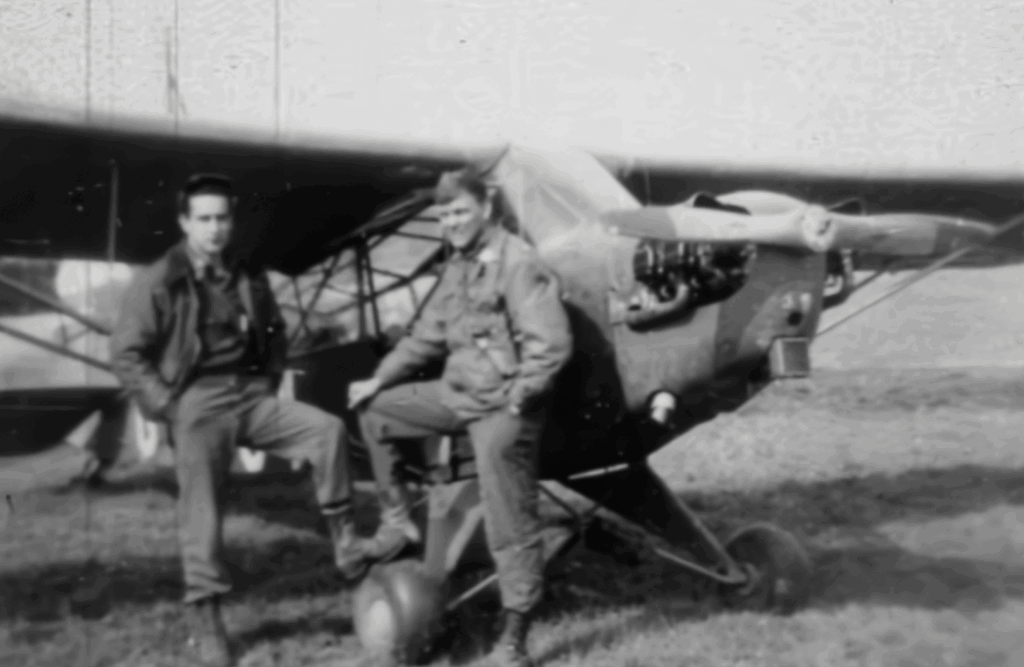
By April 1945, Allied armies were advancing rapidly into Germany, and organized resistance was collapsing across many fronts. Yet even in these final weeks, small and unexpected clashes still occurred. One such incident took place on April 11, when an American observation pilot found himself in a rare kind of aerial combat. It did not involve fighters or heavy weapons, but a light aircraft and two pistols.
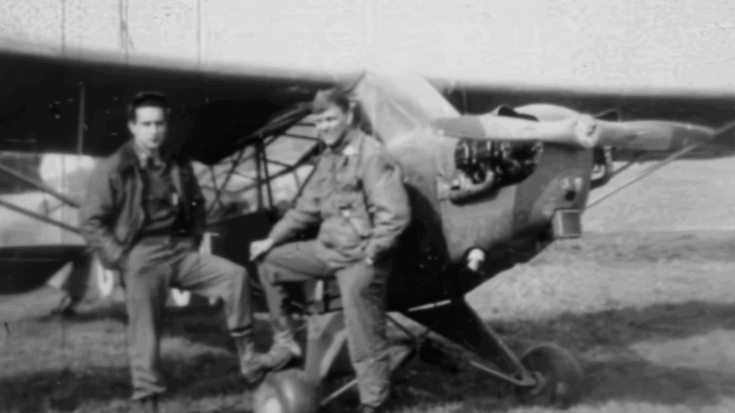
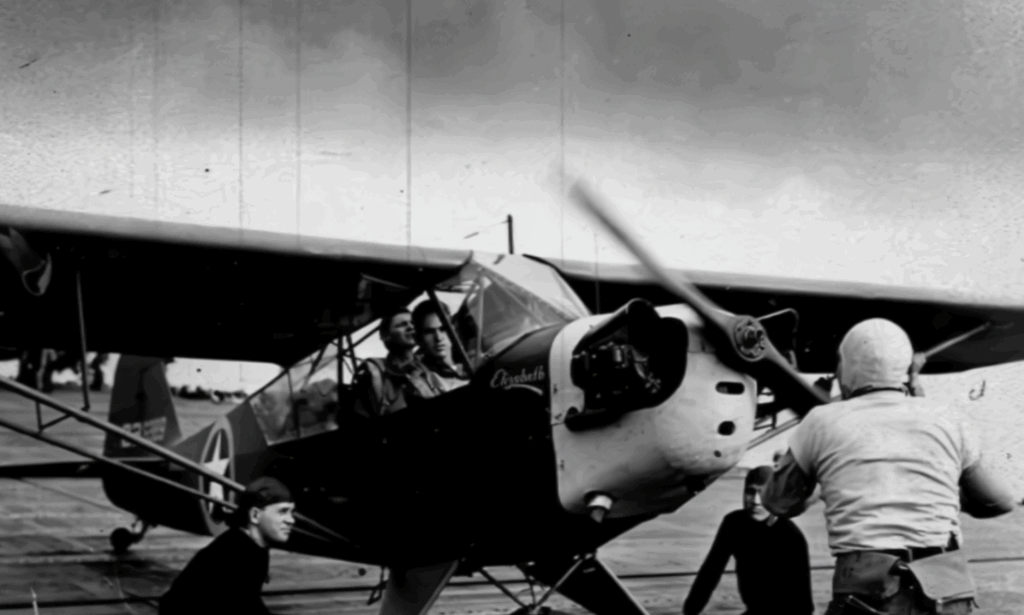
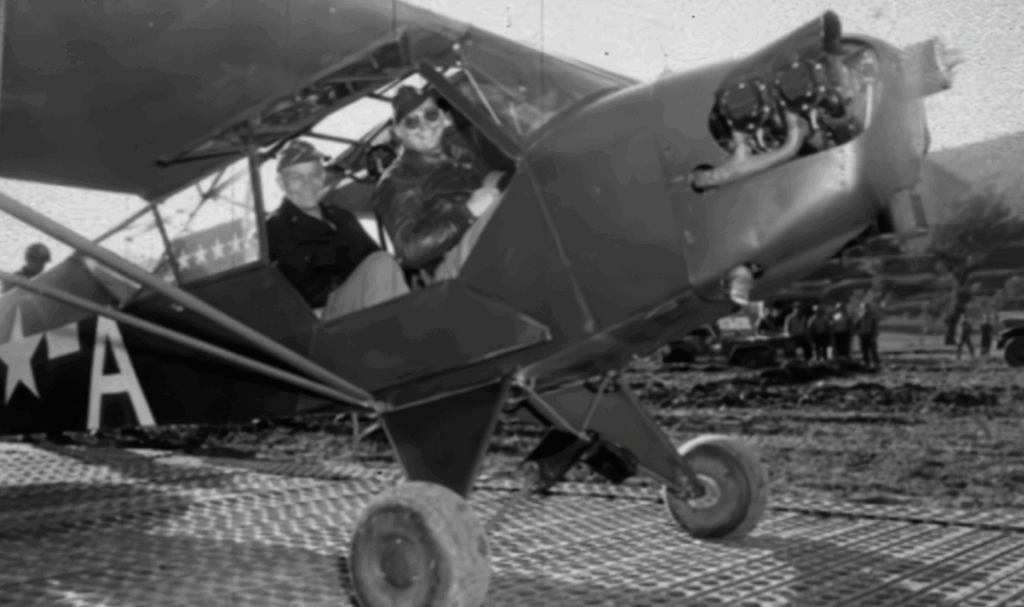
First Lieutenant Merritt Dwayne Francies was flying a Piper L-4 Grasshopper over northern Germany. His aircraft, lightly built and fabric-covered, was designed for reconnaissance rather than combat. Alongside him sat Lieutenant William Martin, tasked with observing troop movements and relaying information to ground forces. Their mission was routine for the time, scanning roads and fields for any remaining German activity that could threaten advancing Allied units.
A War Near Its End
That morning formed part of a wider offensive as American forces pushed toward the Elbe River, only weeks before Germany’s surrender. Despite the collapsing front, German units still operated in scattered pockets, and reconnaissance flights remained vital. Observation aircraft like the Grasshopper were often unarmed, relying on speed, low altitude, and coordination with ground troops to stay safe. Their role was to gather information, not engage the enemy directly.
While flying at low altitude, Francies and Martin noticed movement on the ground and then something more concerning above them. A Fieseler Fi 156 Storch appeared through low cloud. Like their own aircraft, it served as an observation platform, capable of slow flight and short landings. Though not heavily armed, it could relay valuable intelligence to German forces, making it a serious threat in a fast-moving battlefield.
An Unusual Air Battle
Francies quickly understood the risk. If the opposing aircraft reported Allied positions, it could direct artillery fire or warn retreating units. Without time to call for assistance, he chose to act. The Grasshopper had no mounted weapons, leaving only personal sidearms available. Both men carried standard M1911 pistols, giving them limited firepower in a situation never intended for such combat.
As the American aircraft climbed toward its target, both men opened their cockpit doors to aim their weapons. The wind rushed into the cabin, and the small plane shook as it gained altitude. At close range, they began firing. The exchange took place at distances rarely seen in aerial combat, close enough to see the opposing crew clearly. The German pilot reacted by attempting to escape, turning and climbing, but Francies maintained pursuit.
Close Pursuit and Forced Landing
The encounter developed into a slow, turning chase. The Grasshopper’s ability to maneuver tightly at low speed allowed Francies to remain close. Both men reloaded while maintaining control of the aircraft, a difficult task requiring steady handling under pressure. Eventually, their fire appeared to damage the German aircraft. Smoke began to trail from its engine, and it descended toward open ground.
The German pilot attempted to land, but the aircraft lost control upon touchdown and broke apart in a muddy clearing. Francies circled briefly before deciding to land nearby, a choice that carried its own risks in uncertain territory. Upon reaching the wreck, the American crew found the German pilot unharmed but the observer injured and unable to walk.
Rescue Under Threat
Instead of leaving immediately, Francies provided first aid to the wounded man, using supplies from his aircraft. As voices were heard nearby, suggesting approaching German troops, the situation became urgent. Despite the danger, the two Americans lifted the injured observer and placed him aboard their aircraft along with the pilot. The overloaded Grasshopper then took off under pressure, narrowly avoiding advancing enemy soldiers.
They soon reached Allied lines, where the unusual scene of captured German airmen arriving aboard a small observation plane drew attention. Francies was later recommended for the Distinguished Flying Cross, though formal recognition did not come until 1967, more than two decades after the event.