When Me 163s Battled P-51s
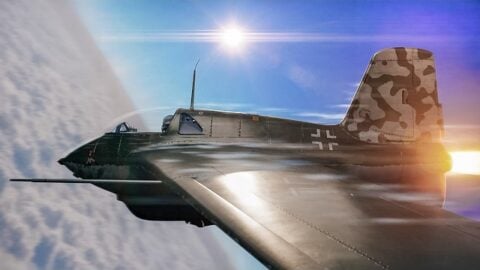
YouTube / Yarnhub
It’s November 2nd, 1944. High above Germany, one of the most extraordinary air battles of the Second World War is about to unfold. As waves of American B-17 Flying Fortresses push deeper into the Reich, their P-51 Mustang escorts suddenly encounter an enemy unlike anything they have faced before.
Screaming through the sky at breathtaking speed come the Me 163 Komets- rocket-powered interceptors so fast they seem almost untouchable. On this day, more Komets take to the air than ever before, unleashed in a last-ditch effort to shatter the American bomber formations. What follows is a chaotic and desperate fight, as Mustangs struggle to catch the near-mythical rockets, while Komets dive, strike, and vanish in seconds, turning the skies into a deadly arena of speed, fire, and desperation.
A Battle in the Skies of a Dying Reich
On November 2nd, 1944, the air war over Germany reached a new and surreal level. The United States Army Air Forces were conducting massive daylight bombing raids deep into the heart of the Reich, escorted by long-range P-51 Mustang fighters.
These sleek American escorts had already tilted the balance of air power in the Allies’ favor. But on this day, Mustang pilots encountered an enemy so radical it seemed to defy the laws of aviation- the Me 163 Komet.
The Me 163 Komet: A Rocket With Wings
The Messerschmitt Me 163 was unlike any other fighter aircraft of World War II. Powered by a volatile rocket engine, it could climb faster and fly faster than anything in the sky. The Komet was capable of reaching bombers in minutes, attacking at incredible closing speeds, and then gliding home once its fuel was exhausted. On November 2nd, more Me 163s were airborne at the same time than ever before, representing Germany’s most ambitious use of the rocket interceptor.
P-51 Mustang: Master of the Escort
Facing the Komets were the P-51 Mustangs, arguably the finest escort fighter of the war. Fast, maneuverable, and with exceptional range, the Mustang had finally allowed American bombers to be protected all the way to their targets and back. Its pilots were experienced, aggressive, and used to controlling the skies. Yet even for seasoned Mustang aces, the sudden appearance of rocket-powered interceptors was both shocking and unnerving.
Clash of Speed and Tactics
When Me 163s attacked, they did so at blistering speed, often diving through bomber formations in near-vertical passes. The P-51s found it almost impossible to chase the Komets during their powered climbs or attack runs. Instead, American pilots adapted quickly, learning to wait for the moment when the Komets ran out of fuel. As the rocket engines cut out, the once-unstoppable interceptors became gliders- fast, but vulnerable.
For Germany, the Me 163 represented both desperation and innovation. Fuel shortages, dangerous handling characteristics, and limited endurance plagued the aircraft. While the Komets could score kills, they were unable to stop the relentless bombing campaign. Every launch was risky, and many pilots were lost not to enemy fire but to explosions, crashes, or failed landings.
Aftermath and Legacy
The encounters between Me 163s and P-51s symbolized the final phase of the air war over Europe- a clash between revolutionary technology and proven air superiority. The Komets amazed Allied pilots and left a lasting impression, but they arrived too late and in too few numbers to change the course of the war. By late 1944, the skies belonged to the Allies, and even rocket fighters could not alter that reality.
When Me 163s battled P-51s, it was not just a fight between aircraft, but between philosophies. One relied on extreme speed and cutting-edge technology, the other on balance, reliability, and pilot skill. In the end, the Mustang and the strategy behind it proved decisive, sealing Allied dominance in the skies of Europe.