

The WWII Carrier Feat the U.S. Navy Could Never Repeat Today
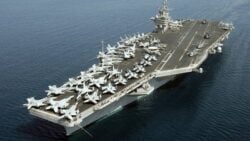
White House photo by David Bohrer, Public domain, via Wikimedia Commons
During the Second World War, the United States carried out a shipbuilding effort that remains difficult to imagine today. In only a few years, American industry produced two dozen Essex-class aircraft carriers, vessels that became the backbone of naval operations across the Pacific. Built in parallel at multiple shipyards, these carriers reflected a level of industrial coordination and urgency shaped by global conflict and national survival.
The Essex-class emerged after earlier naval treaties limited fleet expansion during the interwar years. Once those agreements collapsed and war began, Congress approved major naval growth through legislation such as the Two-Ocean Navy Act of 1940. This law funded a dramatic expansion of the fleet, including large numbers of aircraft carriers. Thirty-two Essex-class ships were authorized, and twenty-four were completed, with many entering service before the war ended.
Building at Wartime Speed
American shipyards during the 1940s operated under conditions very different from those seen today. Public and private yards worked simultaneously, spreading construction across the country. This distributed approach allowed delays at one yard to be absorbed by others, ensuring steady output. Workers, many of whom had little previous industrial experience, were trained quickly as part of a nationwide mobilization that drew millions into wartime production.
The design of the Essex-class also played a key role in its rapid construction. Engineers favored proven systems rather than experimental features, allowing shipbuilders to focus on consistency and speed. Standardized layouts and repeated components meant that each new ship could be completed faster than the last. As experience grew, construction timelines shortened, and ships joined the fleet in predictable intervals.
Designed for War and Survival
These carriers were not only built quickly but also designed to endure heavy damage. Naval planners expected losses and structured the ships accordingly. Internal systems were arranged to limit the spread of fire and flooding, while machinery spaces remained accessible for rapid repair. This approach allowed several Essex-class carriers to survive severe attacks during the war and return to service after extensive repairs.
Repair infrastructure formed another essential part of the system. Forward bases in the Pacific handled urgent fixes, while larger shipyards on the American West Coast completed major overhauls. Maintenance was treated as part of ongoing operations rather than a separate process, ensuring that damaged vessels could rejoin combat as quickly as possible. This integration supported sustained naval pressure across vast ocean distances.
A Different Reality Today
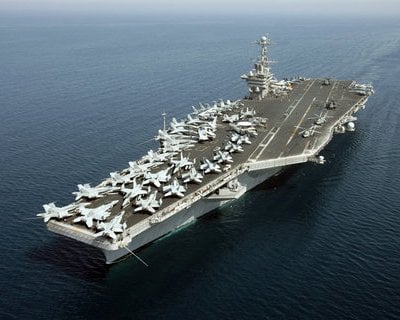
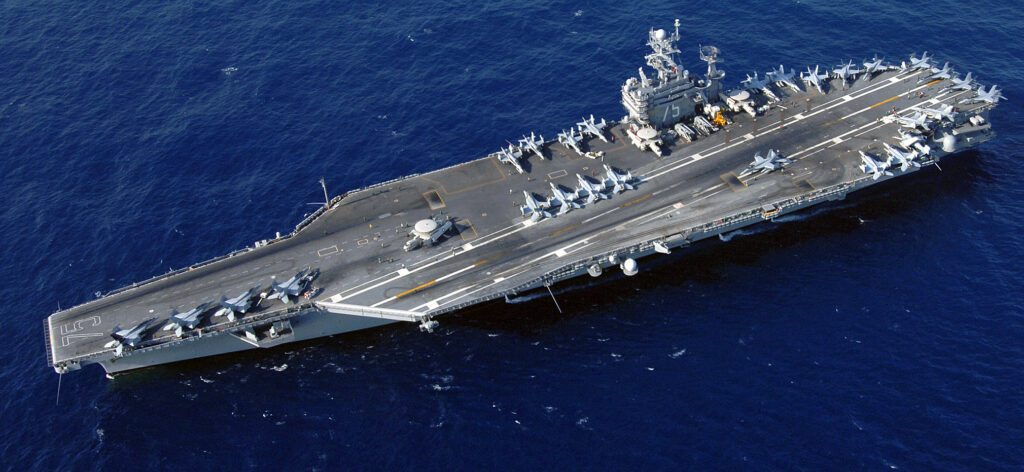
Modern aircraft carriers exist in a far more complex industrial environment. The United States currently maintains a fleet of large nuclear-powered carriers, each far more advanced than their wartime predecessors. However, their construction and maintenance demand specialized facilities, including nuclear-certified shipyards, advanced electronics support, and highly trained personnel. These requirements limit the number of locations capable of handling such work.
Maintenance schedules today often face delays. Refueling and complex overhauls, which involve replacing nuclear fuel and upgrading systems, can take years to complete. Ships such as USS John C. Stennis and USS Harry S. Truman have experienced extended maintenance periods, reflecting broader challenges within the system. Even newer vessels like USS Gerald R. Ford require lengthy post-deployment work due to the complexity of their systems.
Industry, Labor, and Technology
The industrial base supporting modern naval construction is smaller and more specialized than it was during the 1940s. Only a handful of shipyards handle major carrier work, and many operate with aging infrastructure. Expanding capacity is difficult because it requires long-term investment in facilities, equipment, and skilled labor. Unlike wartime mobilization, today’s workforce must be recruited and trained within a competitive civilian economy.
Technological complexity further adds to these challenges. Modern carriers include advanced radar systems, electromagnetic launch equipment, and integrated digital networks. While these innovations improve capability, they also increase the time needed for construction and repair. Problems often require specialized parts and expertise, extending maintenance periods and limiting operational availability.
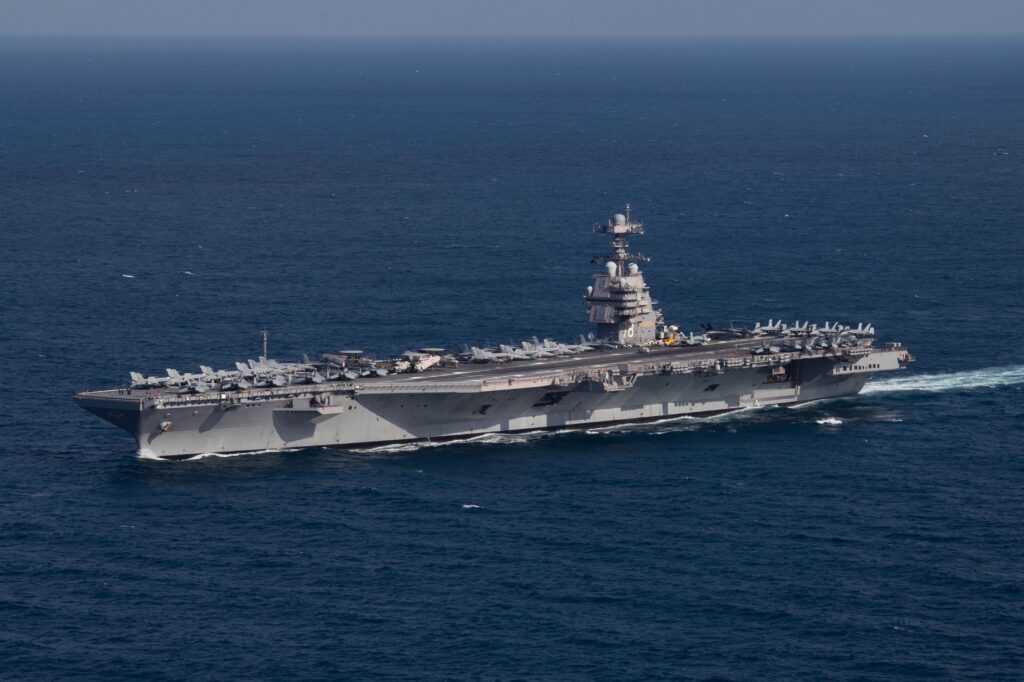









_underway_in_the_Atlantic_Ocean_on_9_October_2022_(221009-N-TL968-1248).JPG)