WWII Heroism (1944): William R. Lawley Jr. Flies Crippled B-17 to Safety and Saves His Crew
Public domain, via Wikimedia Commons
In the winter of 1944, American heavy bombers were flying deep into German territory as part of a massive plan to weaken the aircraft industry that kept enemy fighters in the air. This effort, later known as “Big Week,” brought hundreds of Boeing B‑17 Flying Fortresses across Europe to strike aircraft factories and airfields from the Netherlands to central Germany. One of those missions on February 20, 1944, would test the courage and skill of a young pilot from Alabama.
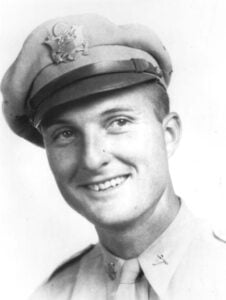
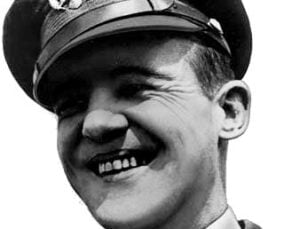
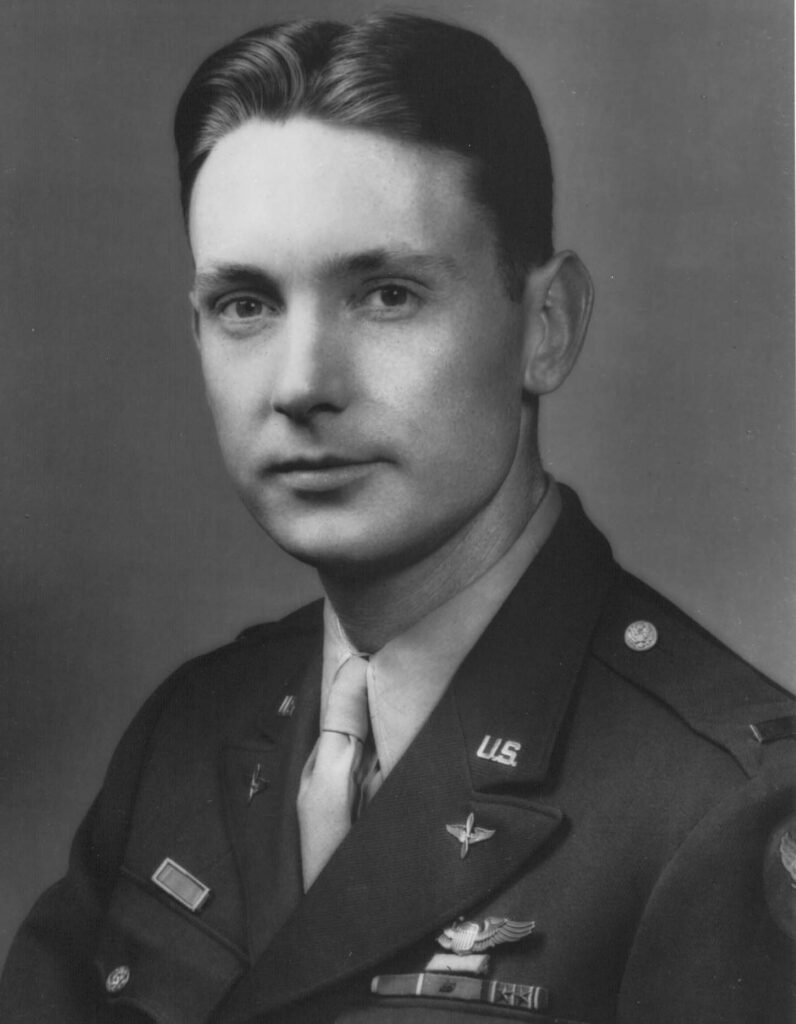
First Lieutenant William R. Lawley Jr. was the pilot of a B‑17 assigned to the 364th Bombardment Squadron, 305th Bomb Group of the Eighth Air Force. His unit was based in England and had taken part in numerous raids before this day. On that mission, Lawley’s aircraft joined a large formation flying toward Leipzig, a city in central Germany where aircraft production facilities were a key part of the enemy’s war effort.
A Mission Turns Deadly
As the bomber formation neared the target, anti‑aircraft fire and enemy fighters rose to meet them. Lawley’s B‑17 was hit by a large force of German fighters soon after the bomb run. The impact of cannon fire was devastating: the copilot was killed instantly, and eight crew members were wounded by shrapnel. One engine was set aflame and the bomber’s flight controls were severely damaged, making the aircraft extremely difficult to fly. Lawley himself was struck with fragments that wounded his face and neck.
The force of the attackers sent the heavy bomber out of formation. The body of the copilot slumped over the control column, forcing the aircraft into a steep dive. With remarkable strength, Lawley forced the body aside and resumed control, pulling the bomber out of its rapid descent. Instruments were smeared with blood from his wounds, and the damaged dashboard made reading vital information nearly impossible.
A Painful Choice
With the aircraft crippled, Lawley ordered his crew to prepare to bail out. However, one of the waist gunners informed him that two of the wounded men were so badly hurt that they could not parachute safely. Lawley faced a moment that would define the rest of his life. He refused to abandon those men who could not jump, deciding instead to try to bring the bomber and its remaining crew home, despite the overwhelming odds and his own serious injury.
Enemy fighters continued to harass the bomber as it limped westward, but using evasive flying he managed to get clear of immediate threats. At one point another engine caught fire, but Lawley’s handling allowed the blaze to be extinguished. Throughout this ordeal, he refused to receive medical help for himself, focusing instead on keeping the aircraft airborne. Eventually, the strain of blood loss, shock, and the effort expended in holding control caused him to collapse.
Flying Through Danger
When Lawley fainted, his bombardier revived him and handed control back, and the flight toward England continued. As the bomber passed over the English coast, one engine ran out of fuel and had to be shut down, and another engine began burning again. The aircraft was heavy and unstable, with frozen bomb racks that had not released their load earlier in the mission. Still, Lawley pressed on, knowing that landing was the only way to save his crew.
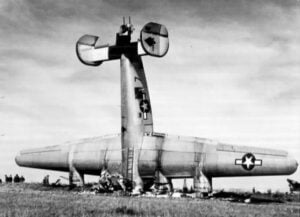
Lawley ultimately brought the battered Flying Fortress in for an emergency landing at a small fighter base near London. With damaged engines and controls, the approach was difficult. Once on the ground, the bomber finally came to a halt and the wounded men were tended to by medical teams. All of the surviving crew members walked away from the aircraft that day, saved by Lawley’s decision to keep flying even when every moment was a fight for survival.
Recognition of Bravery
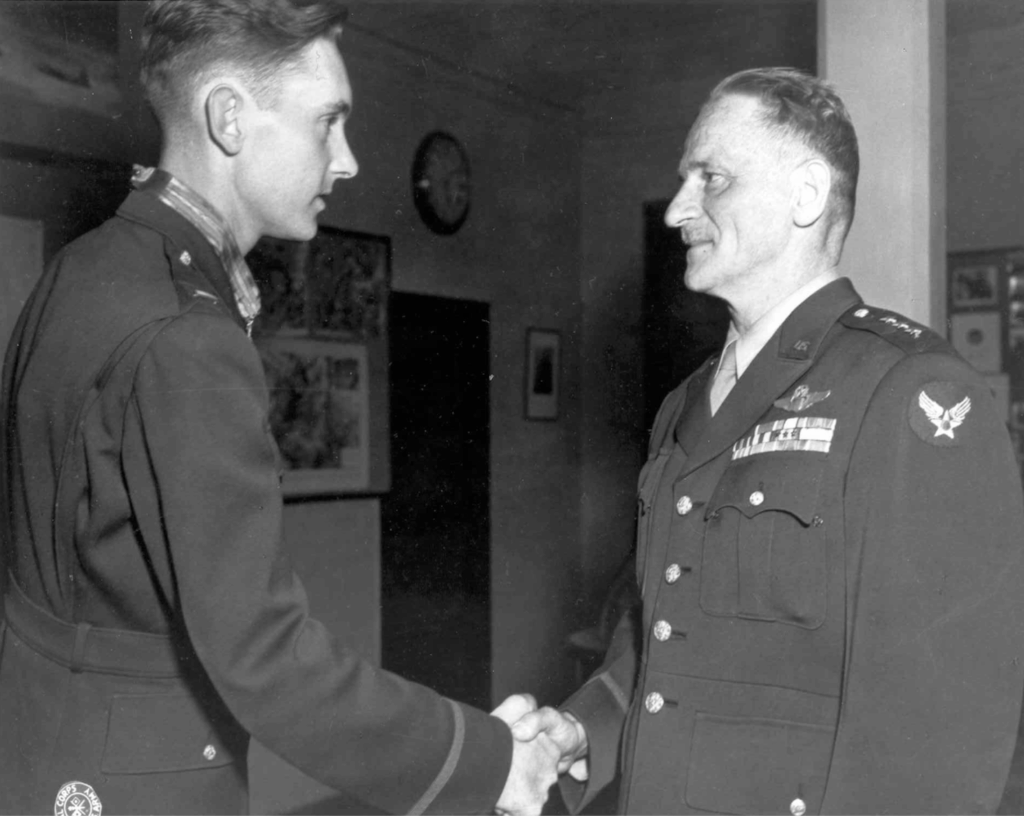
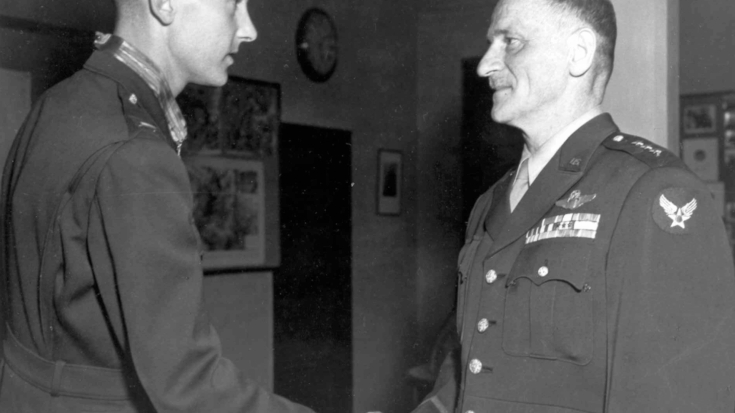
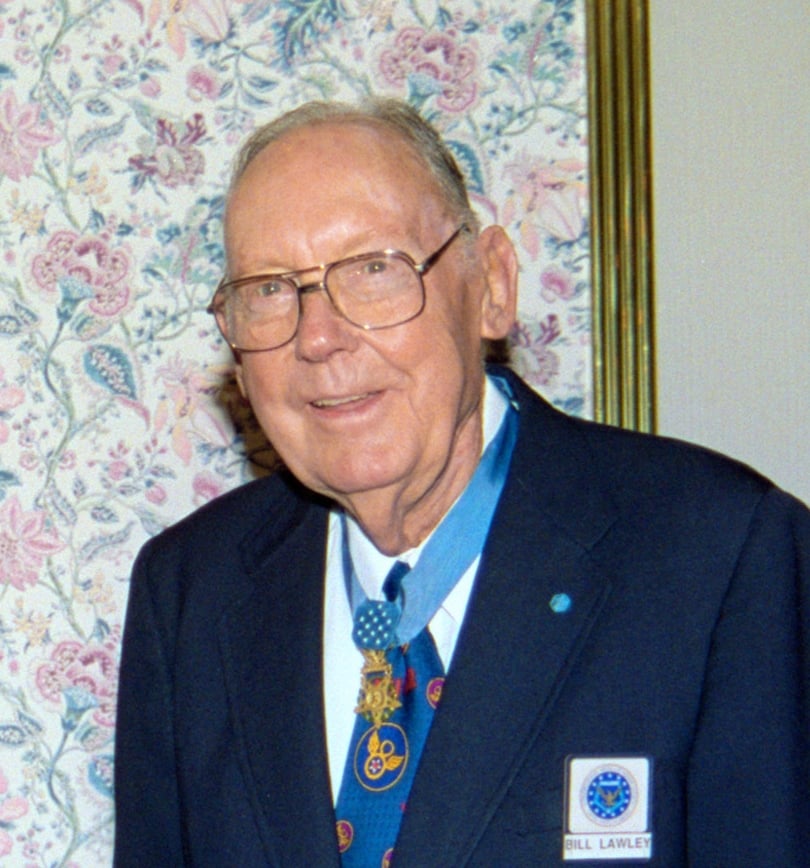
For his actions on February 20, 1944, William R. Lawley Jr. was awarded the Medal of Honor, the highest military decoration awarded by the United States. His citation described how he remained at the controls of his stricken aircraft, repeatedly pushing himself back into action after losing consciousness, and chose to risk his own life rather than leave wounded crewmembers behind. The award was presented to him later that year in August.
Lawley continued his military career after the war, eventually retiring as a colonel in the U.S. Air Force. His story remains part of the documented history of the air war over Europe and stands as an example of commitment to others under the most extreme pressure.