

WWII’s Youngest Ace: How a Teen Pilot Flew 48 Dangerous Missions
@the_dutch_historian / Instagram
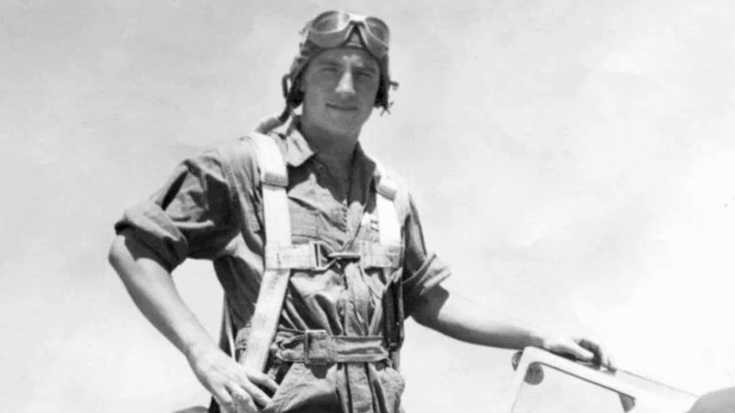
In the vast air war over Europe, most pilots were in their early 20s or older when they began flying combat missions. One American pilot, Martin “Marty” Ritchey Sidener, stood out for a very different reason. He was barely old enough to vote when he joined the Army Air Forces, and his story shows both how young some aviators were and how much danger they faced high over enemy territory.
Early Life and Training
Marty Sidener grew up in Kansas with a deep interest in flying. He earned his first flying experiences in civilian lessons, but the outbreak of World War II changed his plans. In March 1943, two months before he was set to graduate from high school, Sidener joined the U.S. Army Air Forces at age 17. His school granted him a waiver to leave early, and he later received his diploma in absentia while serving overseas.
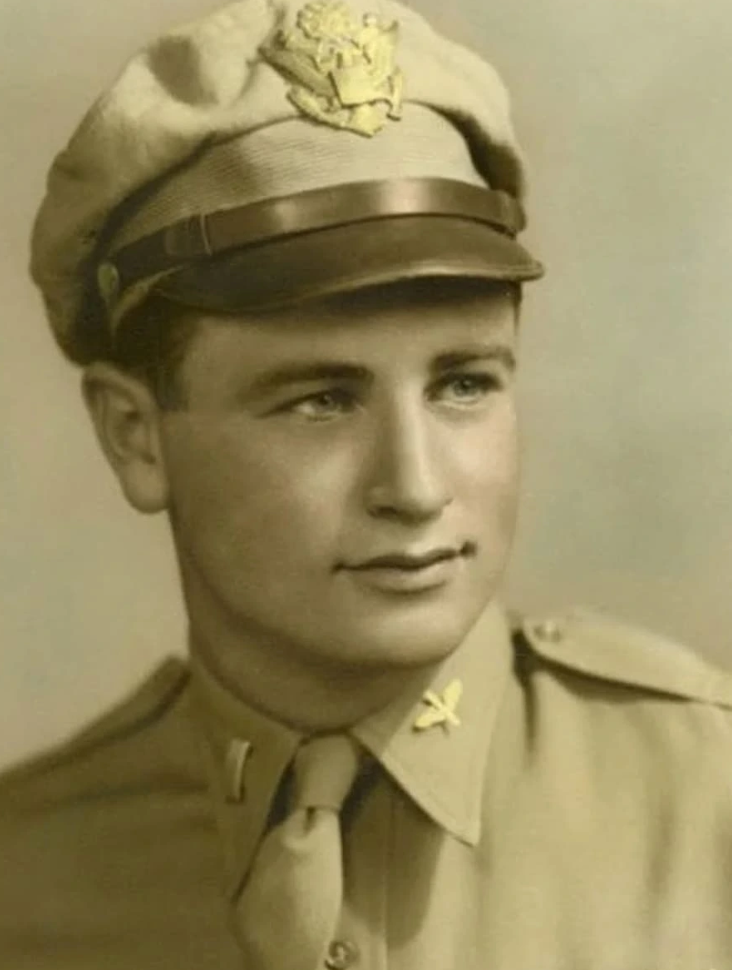
Sidener completed flight training and earned his pilot wings on January 7, 1944, at just 18 years old. That made him the youngest pilot to receive such a qualification in the American air forces during the war. Immediately after graduating, he married his girlfriend, Jo Ann Radley, and prepared for combat duty.
Into Combat With the B-26 Marauder
Sidener was assigned to the 17th Bomb Group, 34th Squadron. There, he flew the Martin B-26 Marauder, a twin-engine medium bomber that would become central to his success. The B-26 had earned a reputation early in the war for being hard to fly, especially on takeoff and landing, but it eventually became known for having one of the lowest loss rates among Allied bombers when used properly.
The Marauder’s design allowed it to fly at medium altitudes with good speed, often protecting crews from heavier anti-aircraft fire and reducing the number of enemy interceptors that could reach them. Sidener quickly found that the aircraft’s strength and reliability helped him survive when many others were shot down.
Missions Over Enemy Territory
Sidener’s first combat missions took him over hostile skies in Italy and Germany. He faced anti-aircraft fire, interceptors, and changing weather, all while flying deep into enemy territory. By his 20th birthday, he had already completed 28 missions, a number that many crews never reached in their entire service.
That count did not stop with age 20. Sidener went on to fly a total of 48 missions by the end of the war. In an era when the average tour for bomber crews was often half that number, flying 48 combat sorties without being shot down was both unusual and risky.
Honors and Reflections
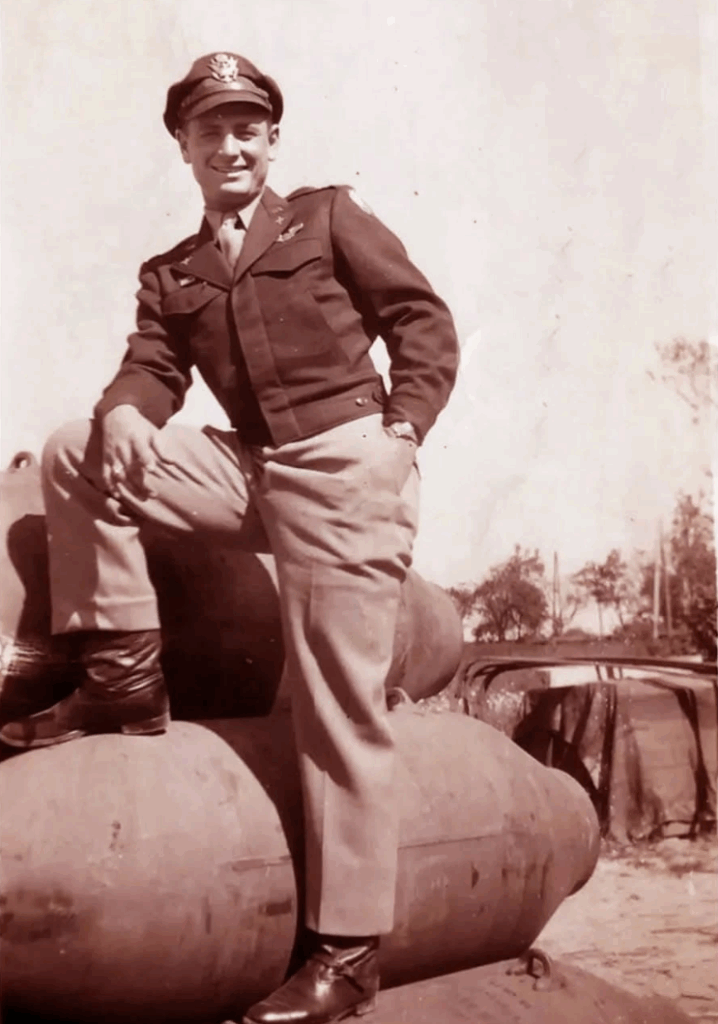
During his service, Sidener earned several decorations for his flying. He was awarded the Distinguished Flying Cross and the Air Medal with eight oak leaf clusters, marking repeated acts of skill and courage in the air. His decorations reflected not just the number of missions he flew, but the quality of his performance under fire.
Despite his record and the attention he sometimes received as the youngest pilot, Sidener rarely spoke about his age in combat. In interviews later in life he emphasized his love of flying and the bond he felt with the men he served alongside. He noted that flying the B-26 Marauder was a major reason he survived; the aircraft’s solid construction and handling helped pilots return from missions that could have ended badly.
Life After the War
After World War II, Sidener returned home and resumed his life. He completed his education and entered the aviation industry, working as an aircraft sales representative and later building a life focused on family and civilian flying. He and his wife remained married for decades, and he was active in his community.
Long after the war, Sidener’s record continued to remind people how young some pilots were and how much they faced in the skies over Europe. For all the dangers he encountered, he never lost an aircraft in combat, an achievement that speaks to his skill and the trust he placed in his aircraft and crewmates.
His passing in 2015 marked the end of a life that began amid global war and continued into years of peace, leaving a story of youthful service that still offers insight into the air war of the 20th century.

View this post on Instagram






