





A6M2 ‘Zero’ vs F4F ‘Wildcat’ – An Unfair Fight in the Pacific
YouTube / Military Aviation History
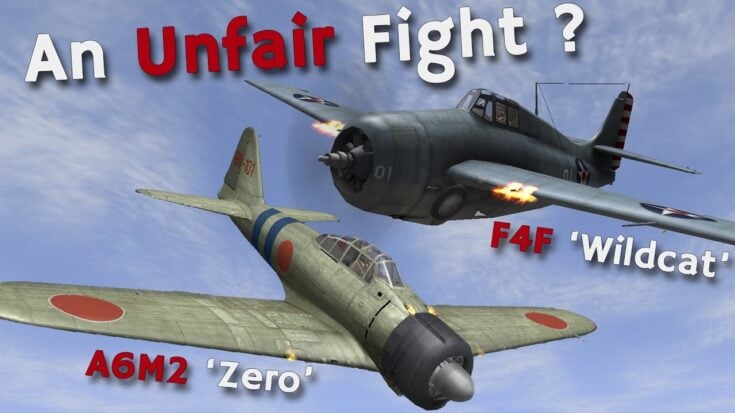
The A6M2 Zero and the F4F Wildcat represented two very different design philosophies when they first met in combat. The Zero relied on extremely low weight and tight construction that produced rare agility and long range for a carrier fighter. The Wildcat relied on strength, armor and heavy armament. Their clash revealed the strengths and limits of each approach, and the comparison shaped early Pacific air combat.
Speed, Power and Flight Characteristics
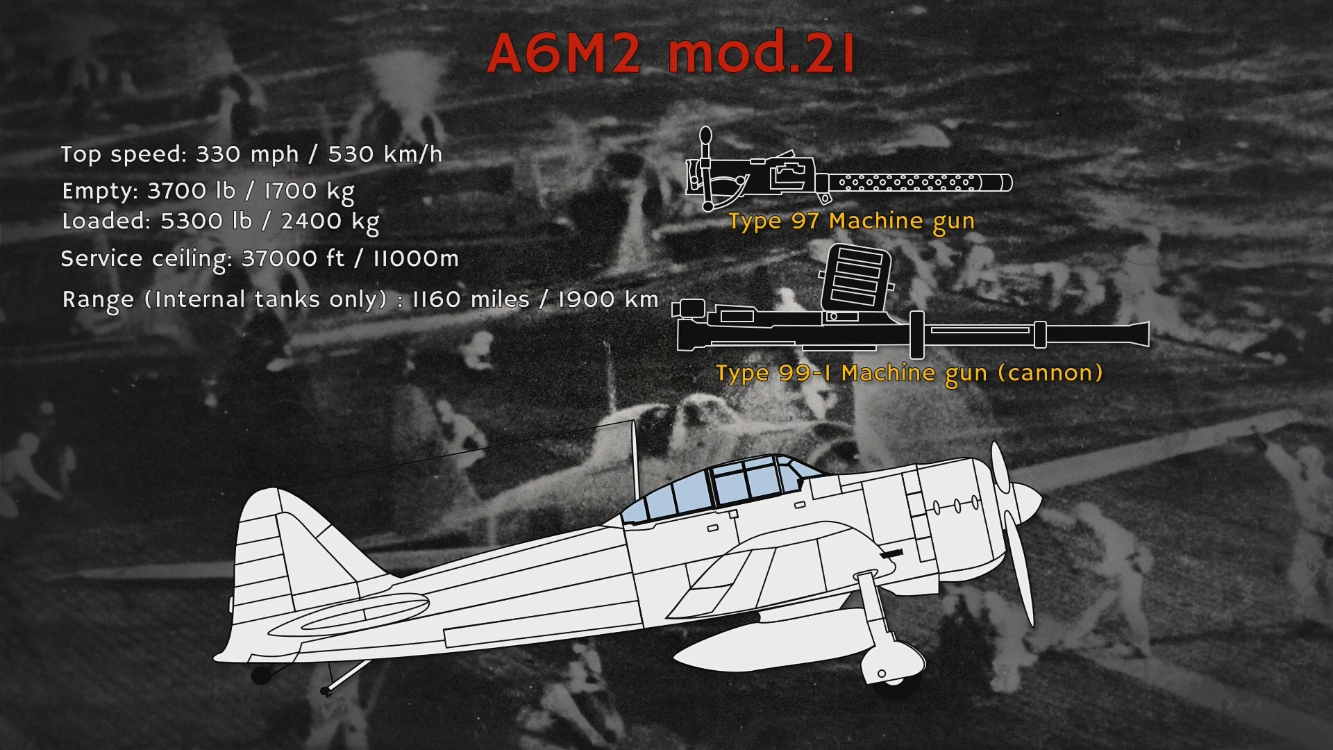
The Zero carried a Nakajima Sakae 12 engine that produced roughly 1000 horsepower. Its light structure kept its loaded weight near 5300 pounds and allowed a top speed of about 330 miles per hour. The aircraft retained full control authority at low speeds and in level turning flight. The drawback came at higher speeds where control response decreased. The Zero also struggled during negative G maneuvers.
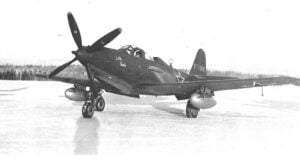
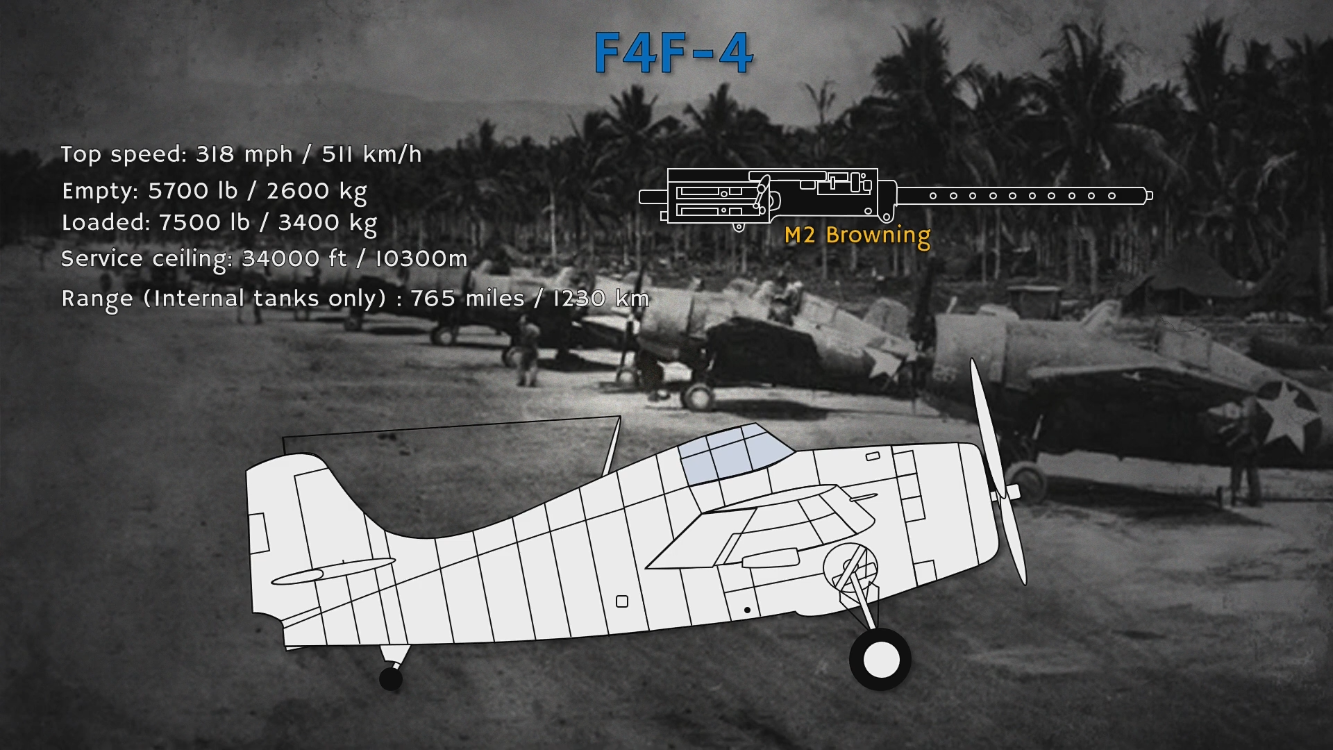
The Wildcat carried a 1200 horsepower Pratt and Whitney radial engine and weighed about 7500 pounds in typical combat configuration. Its top speed reached roughly 318 miles per hour. The added weight came from armor and self sealing tanks, which improved survival but reduced climb and acceleration. The F4F held its control response better at higher speeds and in steep dives. This difference framed many of the tactical outcomes in the theater.
Armament and Firepower
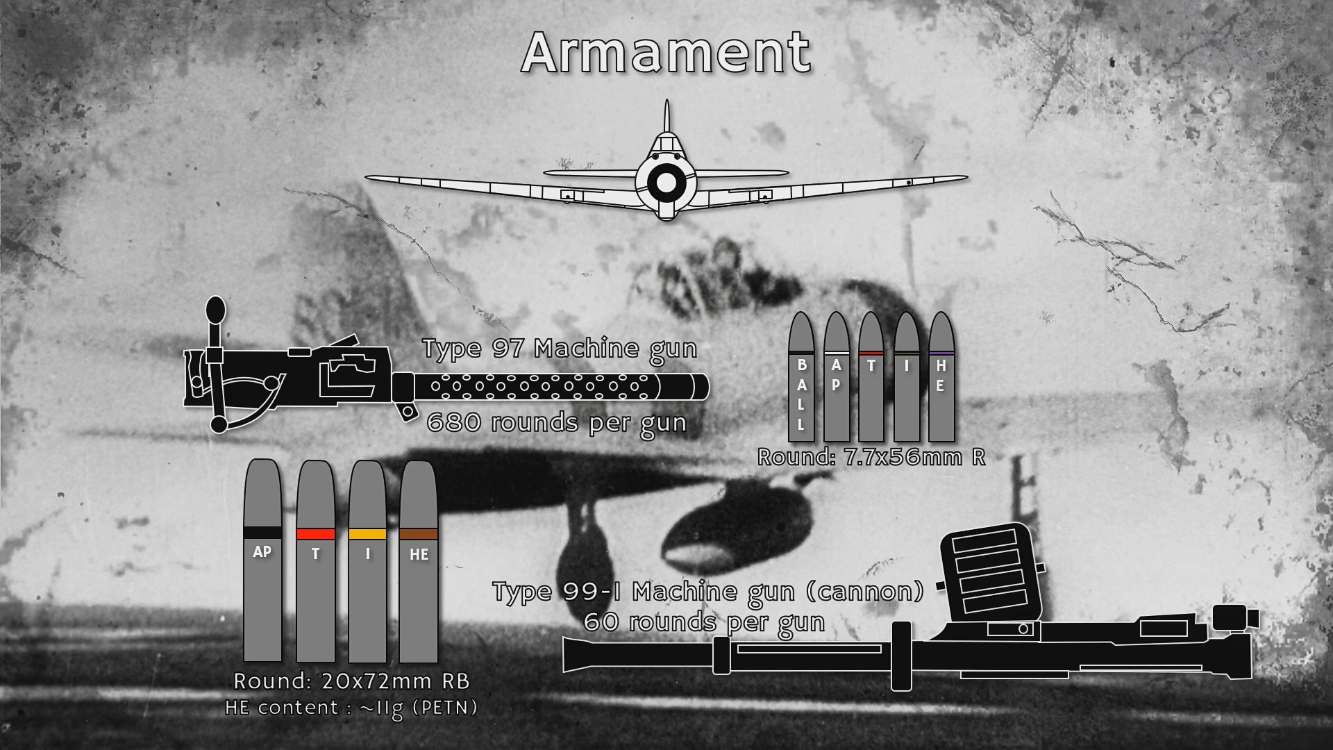
The Zero mounted two 7.7 mm machine guns in the cowling and two 20 mm Type 99 cannon in the wings. The cannon carried only 60 rounds per gun and used low velocity ammunition, which limited their effective range and required steady tracking. Once the cannon ammunition was spent, the Zero relied on its lighter rifle caliber guns.
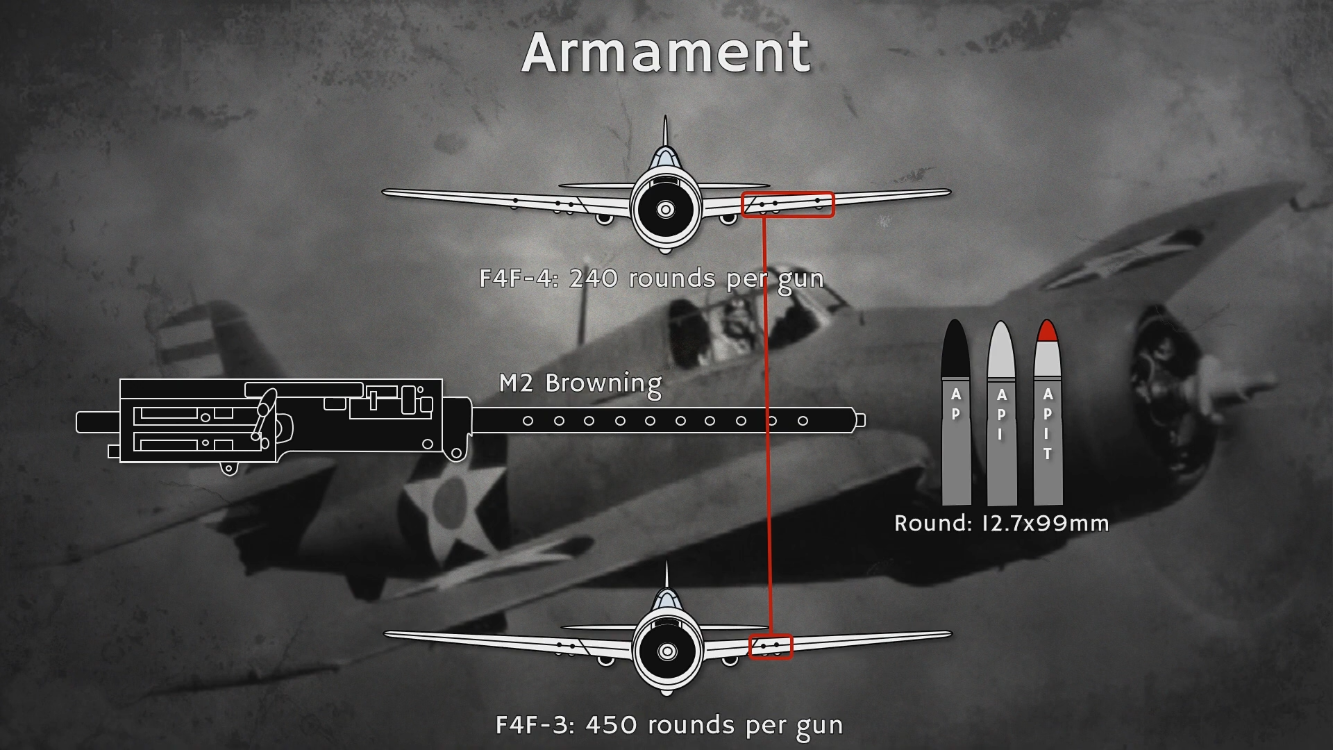
The Wildcat carried six 50 caliber Browning machine guns with 240 rounds per gun. The guns offered high muzzle velocity, reliable penetration and a concentrated pattern. The Wildcat maintained full firepower throughout an engagement which increased its effectiveness in short firing windows.
Range, Protection and Tactical Flexibility
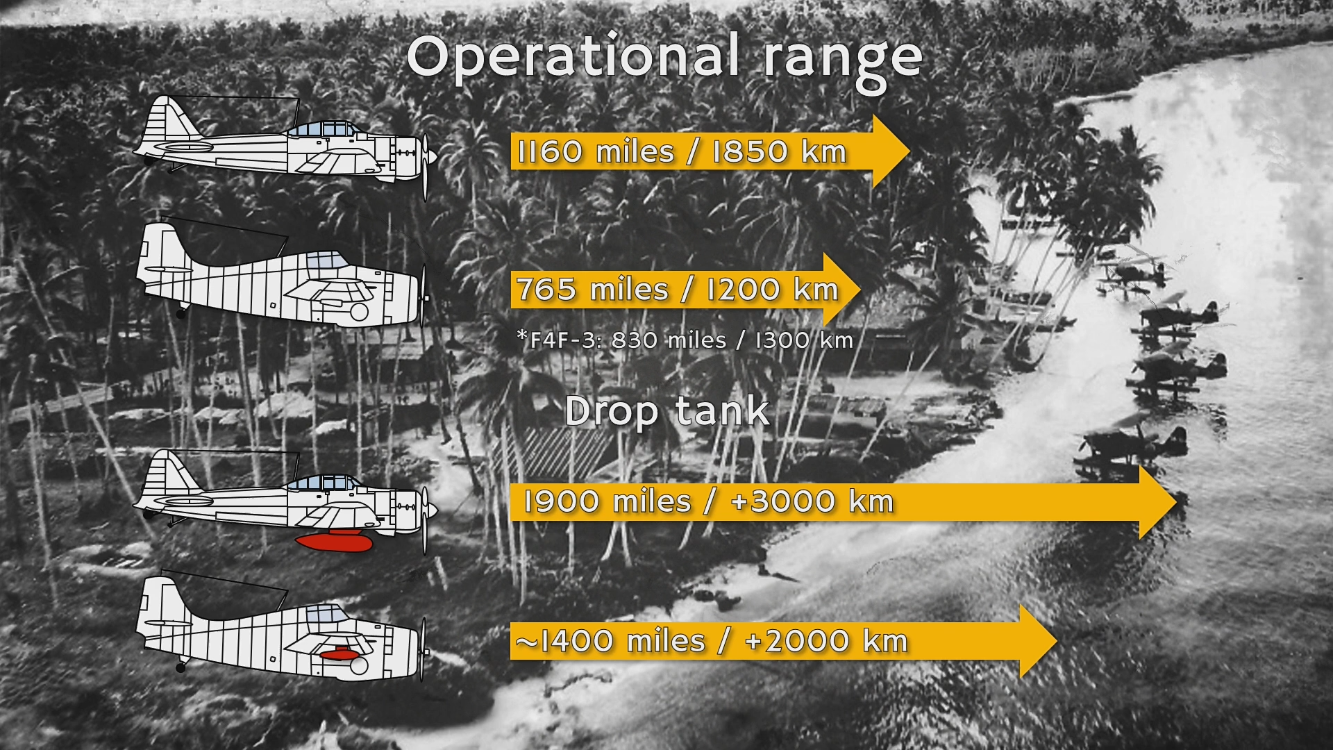
The Zero’s range of more than 1100 miles, combined with optional drop tanks, allowed deep reach during Japanese carrier operations. The Wildcat’s range fell near 770 miles but extended with drop tanks. In protection, the two aircraft differed sharply. The Wildcat used armor and self sealing tanks. The Zero lacked both, which increased vulnerability once hit.
These characteristics defined their tactics. The Zero excelled when the pilot held the initiative and controlled the turning fight. The Wildcat used altitude, coordinated elements and energy based tactics. The Thach Weave served as a direct response to the Zero’s turn performance and paired well with the Wildcat’s ability to absorb damage.
The Comparison in Combat
Direct comparison shows two fighters optimized for different requirements. The Zero held clear advantages in range, climb at lower speeds and sustained turning. The Wildcat held advantages in protection, firepower consistency and high speed control. In early battles, Japanese pilots combined experience with the Zero’s strengths. As American pilots adapted their tactics, engagements became more balanced.