The 12-Foot Aircraft That Hit Mach 9.6 and Changed Aviation Forever
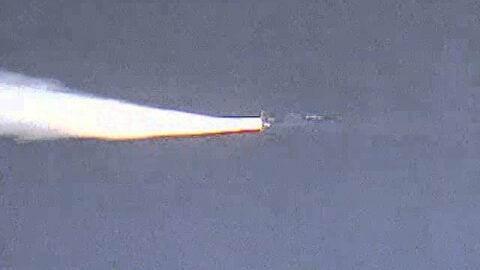
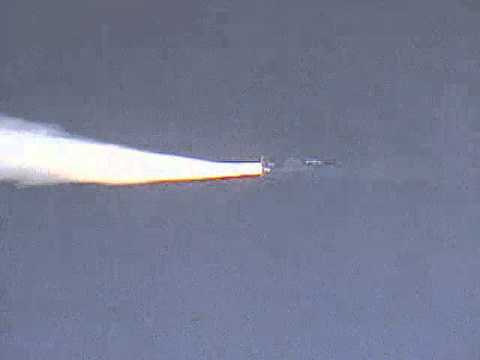
YouTube / NASA Video
NASA’s X-43A was a 12-foot unmanned experimental aircraft designed to answer one specific question: could a scramjet engine sustain powered hypersonic flight? The program cost $230 million, flew three times, and produced the fastest air-breathing flight ever recorded. It also began with a complete failure.
What a Scramjet Is
A conventional jet engine uses turbines and compressors to process incoming air before combustion. A scramjet has none of those components. Airflow through the engine remains supersonic throughout, enabling speeds that turbine-based engines cannot approach.

The tradeoff is that scramjets cannot ignite below approximately Mach 4.5, requiring the X-43A to be carried under a B-52 wing, accelerated by a Pegasus rocket booster, and separated before the engine could light.
The 3 Flights
The first attempt in 2001 ended when the booster lost control and destroyed the vehicle. NASA continued the program.

On March 27, 2004, the second vehicle reached approximately Mach 6.8 with a sustained scramjet burn of around 11 seconds. On November 16, 2004, the third vehicle peaked at Mach 9.6, nearly 7,000 mph at 110,000 feet. Both flights ended with the vehicle gliding to a planned Pacific splashdown. Neither was recovered. Guinness World Records recognized both flights in their 2006 edition.

The X-43A tripled the top speed of the SR-71 Blackbird. The second flight marked the first time a scramjet produced positive thrust and sustained powered control at hypersonic speeds. That result validated assumptions that ground testing alone could never confirm.
The program was canceled shortly after as NASA shifted toward space exploration priorities. The Air Force continued hypersonic research through the X-51A program, which reached Mach 5. Nobody has matched Mach 9.6 since.